

An Ancient Practice Goes Viral
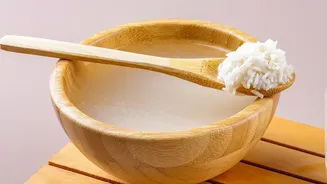
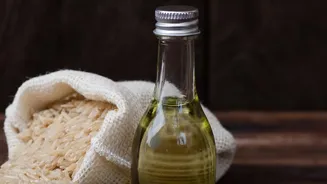
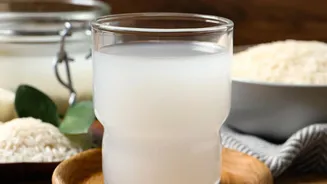
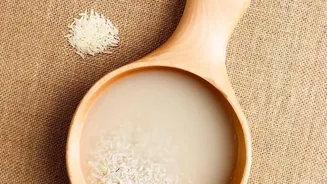
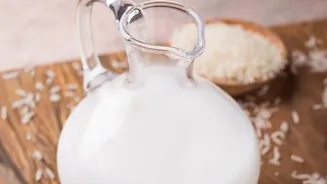
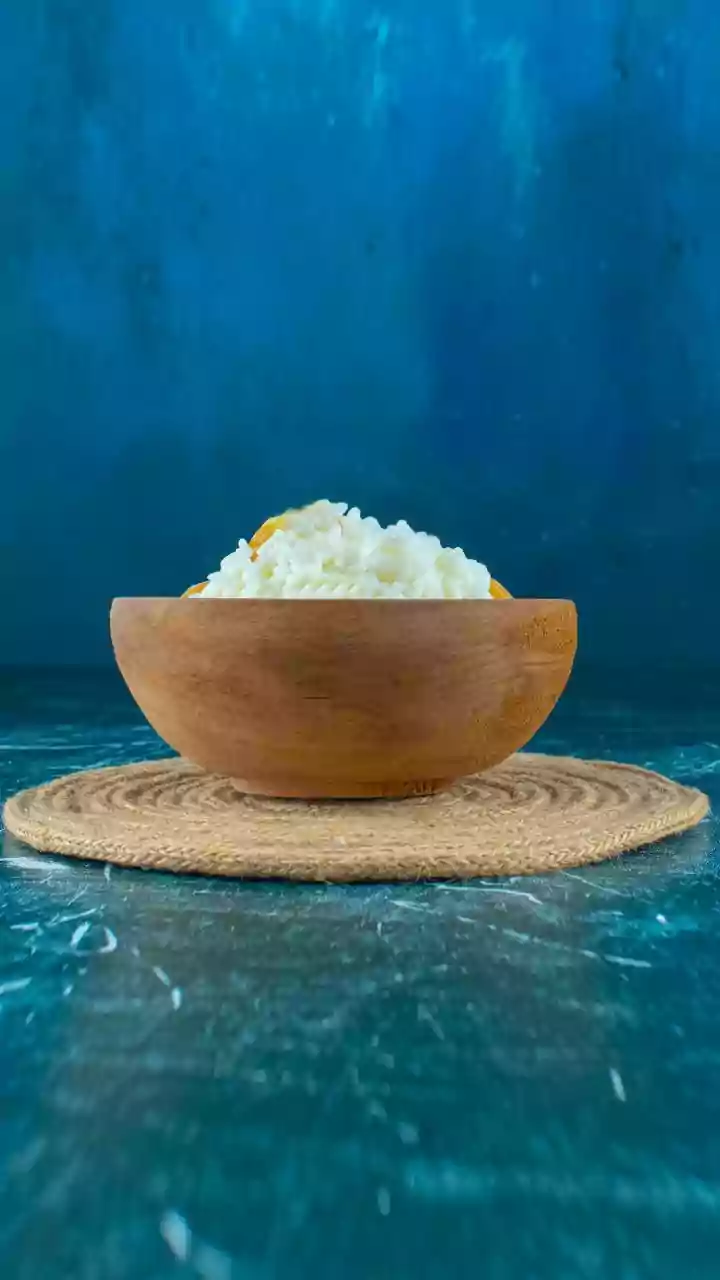
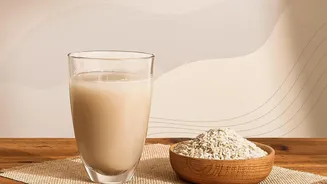
At its core, fermented rice water is simply the starchy liquid left over after rinsing or boiling rice, which has been left to sit at room temperature for a day or two. This isn't a new wellness hack; it's a beauty ritual with deep historical roots, particularly
in Asia. The most famous example comes from the Yao women of Huangluo village in China, renowned for their incredibly long, strong, and dark hair, a trait they attribute to washing it with fermented rice water. Inspired by these traditions, and the appeal of a natural, low-cost remedy, wellness influencers and DIY enthusiasts have brought this practice to a global digital audience, claiming it can transform hair and skin health.
The Claims for Hair and Skin
The benefits promoted online are extensive. For hair, creators claim that fermented rice water rinses can lead to faster growth, increased strength, enhanced shine, and reduced breakage and split ends. They say it can detangle strands, smooth frizz, and soothe an itchy scalp. For skin, the purported benefits include a brighter complexion, improved skin tone, and soothing properties. Some studies and anecdotal evidence suggest it may help with skin irritation and offer anti-aging effects due to its antioxidant content. These claims position fermented rice water as a multipurpose miracle tonic, easily made in any kitchen.
The Science Behind the Scenes
There is some science to explain the potential benefits. Rice water is rich in nutrients like amino acids, B vitamins, vitamin E, and minerals. The fermentation process is key, as it lowers the liquid's pH to be closer to the natural pH of hair, which helps seal the cuticle for a smoother appearance. Fermentation also enriches the water with compounds like inositol, a carbohydrate that studies suggest can penetrate and repair damaged hair. Furthermore, the process can boost the concentration of antioxidants, such as ferulic acid, which help protect hair from environmental damage. For skin, fermented rice water, also called rice wine, has been shown in some studies to increase collagen and offer protective qualities against sun damage.
What Do Experts Actually Think?
While the science is plausible, dermatologists and hair experts urge caution and managed expectations. They acknowledge that the starches in rice water can coat the hair shaft, temporarily smoothing the cuticle, reducing friction, and adding shine. However, the dramatic claims of accelerated hair growth are not supported by robust scientific research. The benefits are more about protecting the length you have rather than speeding up growth from the root. Experts warn that overuse can lead to 'protein overload', where the hair becomes stiff, dry, and brittle, particularly for those with low-porosity or fine hair. The acidic nature of the fermented liquid can also irritate a sensitive scalp if not used correctly.
How to Use It Safely
If you're curious to try it, the approach should be one of caution. Always perform a patch test on your skin or a small section of your hair first. To prepare it, soak rinsed rice in water for a few hours, strain the liquid, and let it sit in a covered container at room temperature for 12 to 48 hours. When it develops a slightly sour smell, it's fermented. It is crucial to dilute this potent concentrate with plain water before use to avoid irritation or protein overload. Apply it to your hair after shampooing, leave it on for no more than 20 minutes, and then rinse thoroughly, following up with a conditioner. For skin, it can be used as a facial toner with a cotton pad. Importantly, homemade preparations have a very short shelf life and can grow harmful bacteria, so it's best to make small batches and refrigerate any leftovers for no more than a few days.