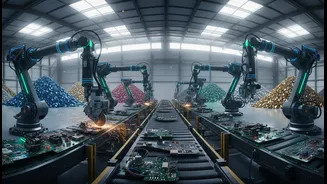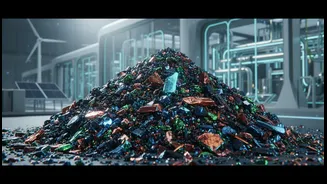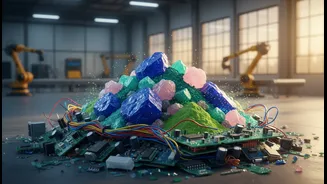




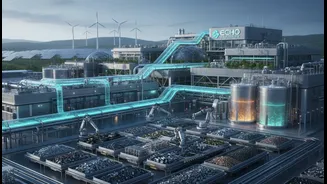


An Urban Mine Waiting to be Tapped
From the lithium in electric vehicle batteries to the cobalt in smartphones and the rare earth elements in defence technology, critical minerals are the bedrock of the modern economy. For India, which is 100% reliant on imports for minerals like lithium and cobalt,
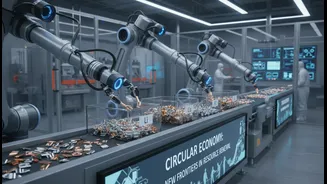
securing a steady supply is a matter of national priority. The government has identified 30 such critical minerals essential for its goals of 30% EV penetration by 2030 and net-zero emissions by 2070. The most logical source lies not in digging new mines, but in harvesting our old devices. This concept, known as urban mining, treats mountains of e-waste as a rich, domestic source of essential materials, potentially reducing import dependency and creating a circular economy. The economic potential is enormous, with some estimates valuing the recoverable materials from India's e-waste at around $6 billion.
The Collection Conundrum
The first and perhaps biggest hurdle is simply getting the waste. India's recycling sector is dominated by a vast, well-networked but unregulated informal sector. More than 95% of all e-waste is handled by these informal players, from 'kabadiwalas' to small scrap dealers. While they are efficient at collection, their methods are primitive. This fragmented system means that formal, large-scale recycling plants struggle to get a reliable and consistent supply of feedstock. Collection rates for e-waste are abysmally low, estimated at around 10%, with battery collection even lower. Without a structured, efficient system to channel waste from households and businesses to certified recyclers, even the most advanced facilities remain underutilized. This inefficiency not only results in a low recovery rate of valuable minerals but also significant environmental degradation.
The High Price of Unsafe Recycling
Safety is a major casualty of the informal recycling economy. In dismantling hubs like Seelampur in Delhi, workers, including children, are exposed to severe health risks. Primitive methods like open-air incineration and acid leaching are used to extract metals like copper and gold. These processes release toxic fumes and hazardous substances like mercury, lead, and cadmium into the air, soil, and water, posing a huge risk to workers and the surrounding environment. Formal recycling facilities are designed to handle these materials safely, but they come with high initial costs and require a skilled workforce. Bridging this gap requires not only enforcing stricter safety standards but also finding ways to integrate the informal workforce into a safer, more structured system, providing them with training and better-paying green jobs.
When the Economics Don't Add Up
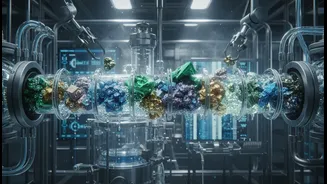
Ultimately, for recycling to scale, it must be profitable. Currently, the economics are challenging. High capital is required to build advanced refining and recycling facilities that can achieve high purity levels, especially for battery-grade materials. This, combined with the inconsistent supply of feedstock and competition from the cheaper, albeit hazardous, informal sector, makes it difficult for formal recyclers to be cost-competitive. In some cases, recycling can be more expensive than extracting virgin materials from traditional mines. Recognizing these financial hurdles, the government has launched incentive schemes under the National Critical Mineral Mission (NCMM) to boost recycling capacity and provide financial support to new and existing players. The goal is to catalyze private investment and make recycling a financially viable and attractive proposition.