



Swimming and Water Aerobics
Water-based exercise is often called the safest starting point for those with joint pain. The natural buoyancy of water supports your body weight, which dramatically reduces the stress and pressure on your hips, knees, and ankles. This unique environment
allows for movement with less discomfort, making it ideal for anyone with arthritis or stiffness. While you move, the water provides gentle resistance, helping to build muscle strength across your entire body. Studies have shown that aquatic workouts can reduce pain and improve quality of life. Whether you're swimming laps or joining a water aerobics class, you get a great cardiovascular workout with minimal risk of injury. Even simple movements like walking in the pool can improve mobility and strength.
Cycling (Stationary and Outdoor)
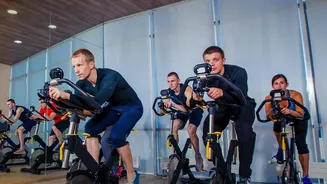
Cycling is a fantastic low-impact exercise because it involves a smooth, circular motion that doesn't jar the joints. It's particularly effective for strengthening the muscles that support the knees, like the quadriceps and hamstrings, which can help alleviate pressure and improve stability. Both outdoor and stationary bikes offer these benefits, though indoor bikes provide a controlled, stable environment year-round. For beginners, it's crucial to ensure the bike is set up correctly to prevent strain; your knee should be positioned properly over your foot as you pedal. Starting with lower resistance and gradually increasing the intensity allows your muscles to adapt safely. Research suggests that for people with mild to moderate arthritis, cycling can improve flexibility and reduce symptoms.
Tai Chi and Gentle Yoga
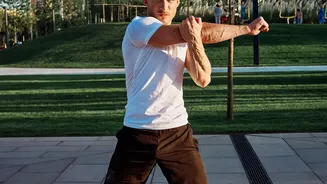
Often described as 'meditation in motion', Tai Chi involves slow, flowing, and controlled movements that are gentle on the body. It is a low-impact practice that has been shown to improve balance, muscle control, flexibility, and coordination, which can reduce the risk of falls. Studies indicate that regular Tai Chi practice can decrease pain, stiffness, and fatigue for people with arthritis. Similarly, gentle or modified yoga can increase your range of motion and reduce stress. Poses can be adapted to suit your comfort level, with a focus on improving alignment and building core strength, which supports the entire body. Both practices emphasize a mind-body connection, which has the added benefit of calming the nervous system.
Low_Impact Strength Training
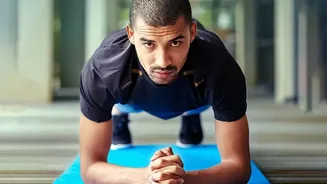
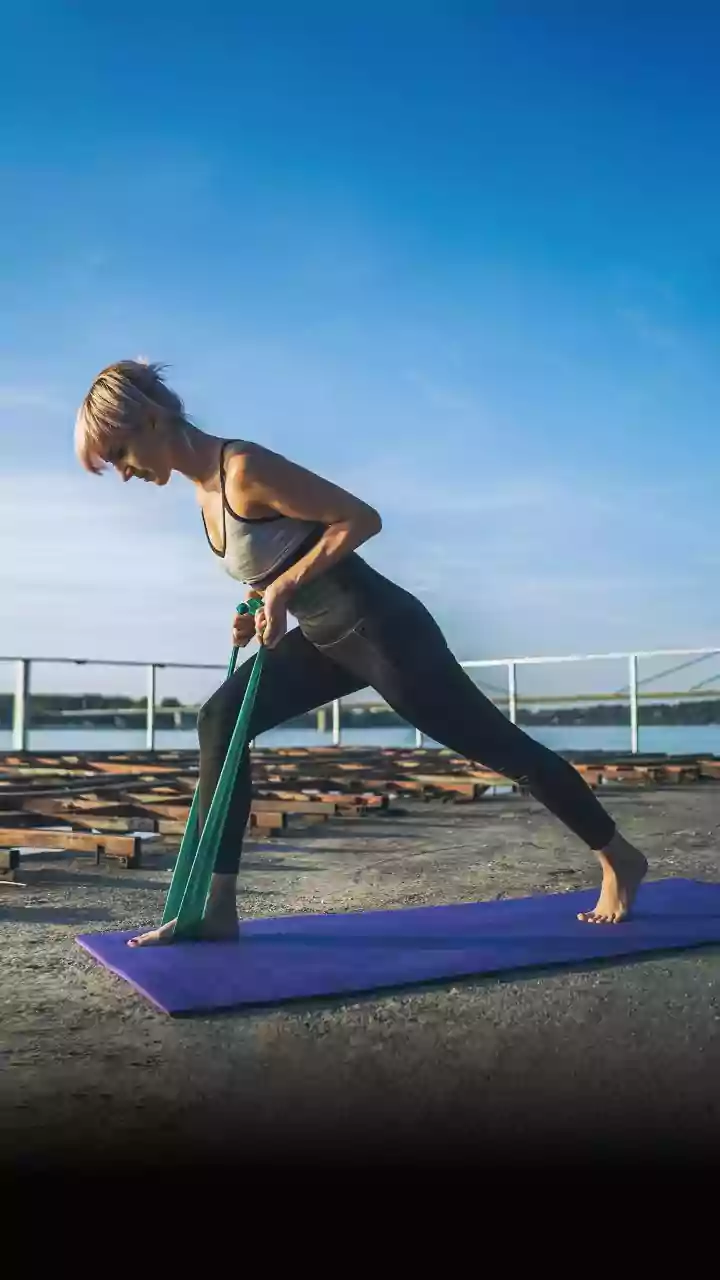
The idea that strength training is bad for joints is a common misconception. In fact, building stronger muscles is one of the best ways to protect and support your joints. You don't need to lift heavy weights to see benefits. Bodyweight exercises like glute bridges, wall pushups, and chair squats build functional strength without high impact. Resistance bands are another excellent tool, allowing you to add challenge with controlled, low_impact movements. The key is to focus on proper form and a controlled tempo. A strong core is also essential for stability, so exercises like planks and bird_dogs can help protect your back and improve overall posture.
Walking and Elliptical Training
Walking is the most accessible joint_friendly exercise, requiring nothing more than a pair of supportive shoes. It's a low_impact activity that strengthens muscles and bones while being gentle on your hips and knees. To protect your joints further, start with shorter walks on flat, even surfaces like a track and gradually increase your duration or distance. For a step up in cardiovascular intensity without the impact, the elliptical machine is an excellent choice. It mimics the motion of running but your feet never leave the pedals, resulting in a smooth, gliding movement that protects your knees and hips while engaging your upper and lower body.