



How Do Self-Watering Pots Work?
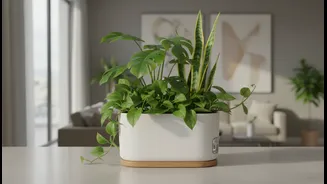
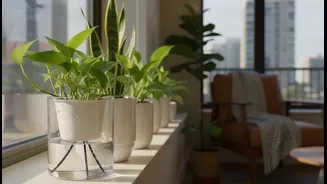
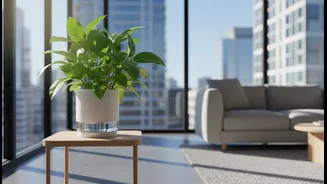
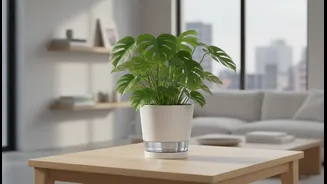
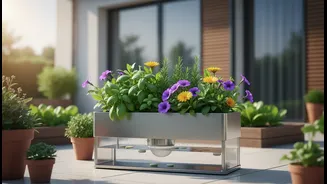
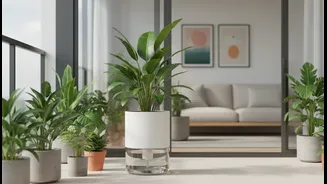
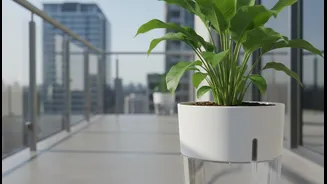
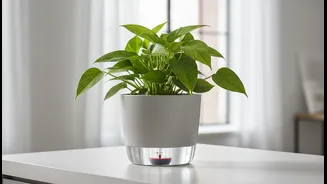
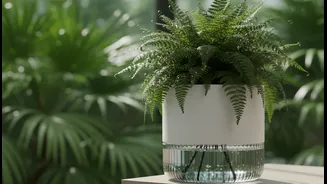
At its core, a self-watering pot is a container with a built-in water reservoir at the bottom. The main planting area is separated from this reservoir, and water is drawn up into the soil as needed through a wicking system. This system can be a simple
absorbent cord, a porous material, or a chamber packed with soil that acts like a straw. This process, known as sub-irrigation, allows the plant to 'drink' at its own pace, taking up moisture only when the surrounding soil begins to dry out. This prevents the dual dangers of overwatering and underwatering, creating a more stable and healthy environment for the plant's roots.
The Busy Gardener’s Best Friend
For professionals juggling long hours and commutes, the primary benefit is convenience. Daily watering becomes a thing of the past; depending on the pot size and plant type, the reservoir might only need refilling once a week or even less. This is a game-changer for those who travel for work or enjoy weekend trips, as it eliminates the worry of returning to wilted, dehydrated plants. By automating the most frequent gardening chore, these pots make it possible to maintain a vibrant garden with a significantly smaller time commitment, fitting the hobby into a busy modern lifestyle.
Healthier Plants and Better Growth
The consistent moisture provided by self-watering systems leads to healthier plants. The bottom-up watering encourages roots to grow deeper and stronger as they reach down toward the water source. This avoids the problem of shallow root systems that can develop from frequent, light top-watering. Furthermore, since the top layer of soil can remain relatively dry, it helps reduce the likelihood of common pests and fungal issues that thrive in damp surface conditions. By preventing the soil from becoming waterlogged, these pots also drastically reduce the risk of root rot, one of the most common killers of potted plants.
Water and Nutrient Conservation
In a traditional pot, excess water drains away, taking valuable nutrients with it. Self-watering pots create a closed system where very little is lost. Water is delivered directly to the roots, with minimal evaporation from the surface. Any water-soluble nutrients that leach from the soil are collected in the reservoir and can be drawn back up by the plant. This efficient use of resources not only conserves water—a key consideration in many Indian cities—but also means you may need to fertilise less often, saving money and reducing waste.
Best Plants for Self-Watering Pots
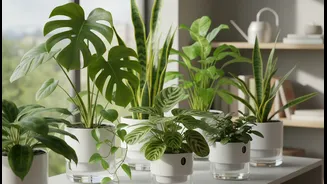
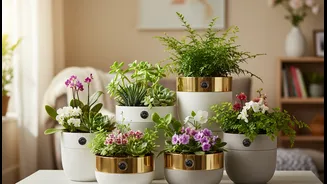
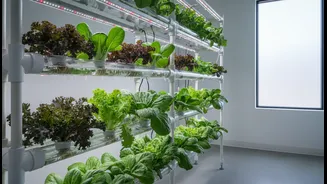
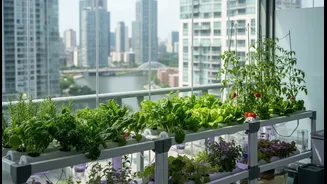
While many plants adapt well, some are particularly suited for the consistent moisture of a self-watering system. Tropical foliage plants popular in Indian homes, such as the Money Plant (Pothos), Peace Lily, and Spider Plant, thrive in these conditions. Herbs that enjoy moist soil, like mint, basil, and parsley, are also excellent candidates for a kitchen-adjacent planter. Even some vegetables can flourish, especially leafy greens. Plants that require their soil to dry out completely between waterings, like many succulents or the ZZ plant, can also be used, but you must allow the reservoir to remain empty for a period before refilling.
Creating Your Own DIY Version
You don't need to buy a fancy pot to reap the benefits. A simple self-watering planter can be made at home using two buckets or even a recycled plastic bottle. The most common method involves nesting two containers. The top container, which holds the plant and soil, has holes drilled in its base. A 'wicking chamber', such as a small cup with holes, is attached to the bottom and filled with soil, which then extends down into the lower container, which acts as the water reservoir. A fill tube, made from a small pipe, can be added to easily refill the reservoir without disturbing the plant. This DIY approach offers a cost-effective way to try sub-irrigation for your plants.