


More Than a Tasting Menu
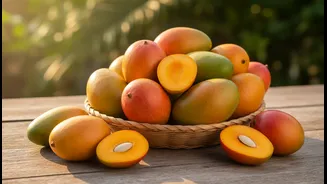
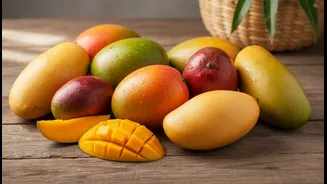
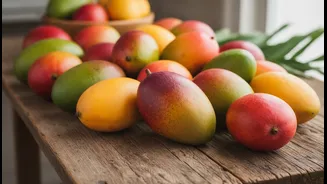
For most, a mango festival is a chance to sample dozens of varieties, from the beloved Dussehri to the rare Gulabkhas. While this remains a central attraction, many festivals now have a deeper mission: to bridge the gap between farmers, scientists, and
consumers. Events across the country, from Uttar Pradesh to Goa, are incorporating workshops and seminars that focus on the science and art of mango cultivation. These gatherings are becoming crucial platforms for promoting sustainable practices, protecting biodiversity, and empowering local farmers with the skills needed to thrive. They provide a unique space where growers can interact directly with experts and each other, sharing insights that are often lost in conventional supply chains.
The Art and Science of Grafting
One of the most valuable skills shared at these events is grafting. Grafting is a horticultural technique where tissues of plants are joined so as to continue their growth together. For mangoes, this allows farmers to combine the strong, locally-adapted roots of one tree with the fruit-bearing branches of another, more desirable variety. This ensures consistency in taste, size, and quality, and can lead to earlier fruiting. At festivals and dedicated workshops, experts from institutions like Krishi Vigyan Kendras (KVKs) often demonstrate methods like V-grafting or contact grafting. These hands-on training sessions allow farmers to learn the precise techniques needed for a high success rate, enabling them to propagate superior mango varieties and improve the overall quality and yield of their orchards.
A Sanctuary for Seed Diversity
In an era of agricultural homogenisation, mango festivals play a critical role in conserving India's incredible mango diversity. With hundreds of native varieties at risk of disappearing, these events act as living libraries. Festivals like the Desi Beejotsava in Karnataka and others organized by groups like BAIF Development Research Foundation showcase and distribute indigenous seeds. This encourages farmers to continue cultivating heirloom varieties that are often more resilient to local climate conditions and pests. By creating a forum for seed exchange and providing a market for lesser-known but delicious local mangoes, these festivals give farmers a financial incentive to become custodians of genetic diversity, ensuring these unique flavours are not lost to future generations.
Modern Skills for Better Orchards
Beyond traditional knowledge, mango festivals are also a gateway to modern orchard management techniques. Seminars often cover a wide range of topics essential for sustainable and profitable farming. This includes sessions on Good Agricultural Practices (GAP) for producing export-quality fruit, scientific pruning methods, and efficient water management. Farmers learn about organic pest control, soil health, and post-harvest handling to reduce spoilage and improve the market value of their produce. For instance, some workshops highlight the benefits of fruit bagging to protect mangoes from pests and improve their appearance for premium markets. By connecting growers with the latest research from agricultural universities and institutes, these festivals help elevate the entire sector.