




Chair yoga is celebrated as a gentle, accessible way to stay active. But how much can it really do for your flexibility? It's time to explore the real, practical benefits of this practice and how to perform key poses, like the seated spinal twist, safely.
The Gentle Power of Chair Yoga
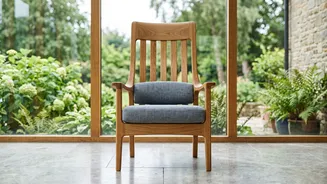
Chair yoga is a modified form of yoga that makes the practice accessible to people who cannot or prefer not to get on the floor. It adapts traditional yoga poses so they can be done while sitting in a chair or using a chair for support. This makes it an excellent choice for a wide range of individuals, including older adults, office workers seeking a midday stretch, people with balance or mobility issues, and those recovering from injury. The core idea is not to achieve perfect, complex postures but to use mindful movement to improve wellbeing. By providing support, the chair helps reduce strain on the joints and minimizes the risk of falls, allowing participants to focus on gaining strength, mobility, and a sense of calm.
Flexibility: What Can You Realistically Expect?
One of the most touted benefits of chair yoga is improved flexibility. Regular practice can indeed help increase your range of motion, gently stretching muscles in the back, shoulders, and hips. This is crucial for maintaining independence in daily activities, from reaching for something on a high shelf to bending down to tie your shoes. However, it's important to keep expectations in check. Chair yoga focuses on maintaining and gradually improving joint mobility and reducing stiffness, not on achieving the deep, dramatic flexibility often associated with mat-based yoga. Studies have shown it can effectively reduce pain and improve function for individuals with conditions like osteoarthritis. The goal is progress, not perfection; consistency matters more than intensity.
The Seated Spinal Twist Explained
The seated spinal twist is a cornerstone of many chair yoga routines, prized for its ability to increase spinal mobility and release tension. To perform it safely and effectively, start by sitting tall in a sturdy, armless chair with both feet flat on the floor. Inhale to lengthen your spine, imagining a string pulling the crown of your head upward. As you exhale, gently twist your torso to the right. You can place your left hand on your right thigh and your right hand on the back or seat of the chair for support. The key is to initiate the twist from your waist and rib cage, not by forcing your neck or pulling with your arms. Hold the pose for several deep breaths, then gently return to the center on an inhale and repeat on the left side.
Why This Twist Is So Beneficial
The benefits of a well-executed seated twist go beyond just a simple stretch. This movement helps release built up tension in the muscles of the back, shoulders, and neck, which is a common issue for those who sit for long periods. By gently rotating the spine, you encourage mobility in the vertebrae, helping to keep the back flexible and reduce stiffness. The twisting action is also thought to gently massage the abdominal organs, which can aid in digestion. Furthermore, pairing the physical movement with mindful breathing helps calm the nervous system, reducing stress and promoting a sense of mental clarity.
Beyond the Twist : Other Poses for Flexibility
While the spinal twist is fantastic , a well rounded chair yoga practice incorporates other movements to target different areas of the body . A few simple additions can create a more holistic routine for flexibility : Seated Cat - Cow : While seated , place your hands on your knees . On an inhale , arch your back and lift your chest forward (Cow) . On an exhale , round your spine and drop your chin toward your chest (Cat) . This movement is excellent for warming up and lubricating the spine . Seated Forward Bend : Sit at the edge of your chair . Inhale to lengthen your spine , and on the exhale , hinge at your hips to gently fold forward , letting your chest rest on your thighs if comfortable . This pose stretches the hamstrings and lower back . Chair Pigeon Pose : Sit near the front of your chair and cross your right ankle over your left thigh . Gently press on your right knee to feel a stretch in your hip . This is a great way to open tight hips without getting on the floor.
Common Mistakes and How to Avoid Them
To get the most out of your practice and avoid injury , be mindful of a few common pitfalls . The most significant mistake is forcing a movement or twisting too deeply . Yoga should never be painful ; listen to your body and only move within a comfortable range . Avoid twisting just your neck , as the rotation should come from your torso . Another error is holding your breath . Maintain slow , steady breathing throughout each pose , using the exhale to gently deepen the stretch . Finally , ensure your chair is stable and without wheels . If you have specific health conditions like uncontrolled high blood pressure , severe osteoporosis , or recent back surgery , it is essential to check with a healthcare professional before beginning any new exercise regimen.