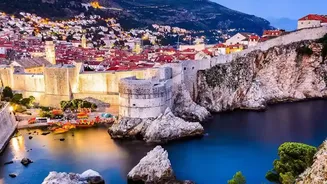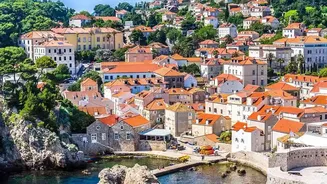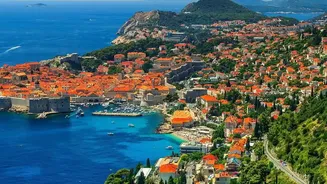

Croatia's dazzling coast is the stuff of travel dreams. But what if the most famous photos hide the reality of peak-season crowds and prices? A smarter trip means swapping the biggest names for something even better: authentic island adventures.
The Challenge of Croatia’s Hotspots
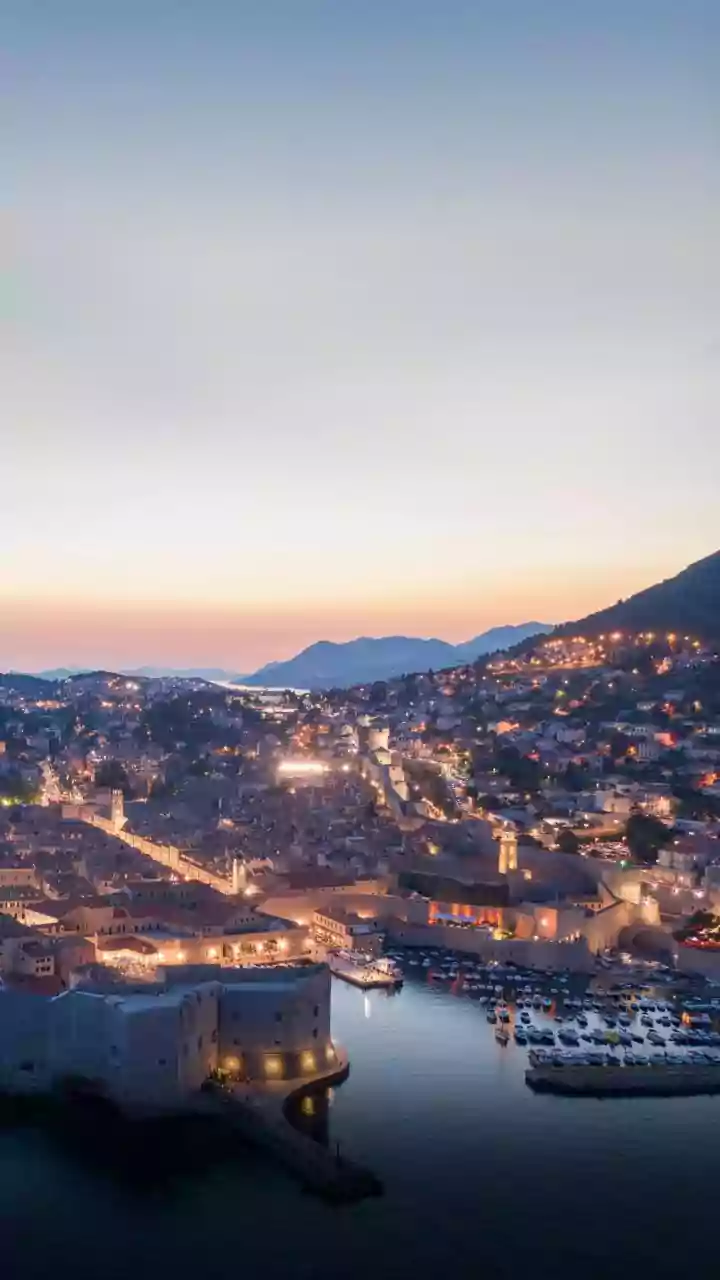
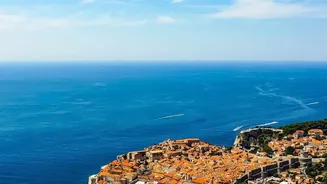
Dubrovnik's
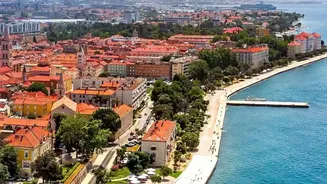
magnificent Old Town and Split's Diocletian's Palace are popular for a reason, but their fame comes at a price. In July and August, the narrow stone streets can become incredibly congested, especially when multiple cruise ships are in port. This popularity often leads to inflated prices for accommodation, food, and activities. Restaurants with prime waterfront views can charge a significant premium, while nightlife in hubs like Hvar Town is known for being expensive. This combination of crowds and costs can detract from the magic, turning a dream holiday into a stressful experience of queuing and overspending. The good news is that Croatia offers countless alternatives where your money goes further and the experience feels more genuine.
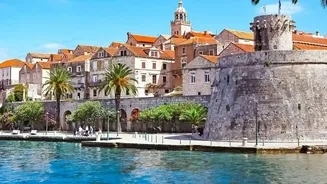
Swap Dubrovnik for Charming Korčula
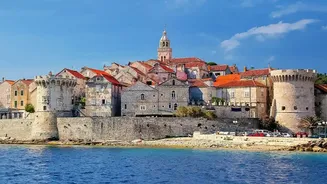
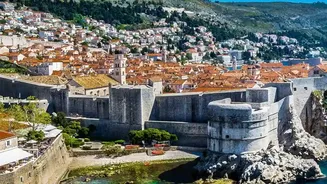
Often called 'Little Dubrovnik' for its medieval walls and terracotta-roofed old town, Korčula offers a similar storybook atmosphere with a fraction of the crowds. While Dubrovnik is a grand, world-famous stage, Korčula feels more like a lived-in community. The real advantage is the value. Accommodation and restaurant meals on Korčula are noticeably cheaper than their equivalents in Dubrovnik’s Old Town. The island is also a destination in its own right, celebrated for its indigenous white wines like Grk and Pošip, which you can sample at local vineyards. With beautiful pebble beaches, hidden coves, and lush forests perfect for cycling, Korčula provides a rich and more affordable alternative.
Instead of Hvar’s Buzz, Try Tranquil Vis
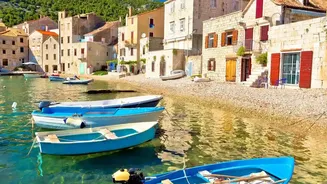
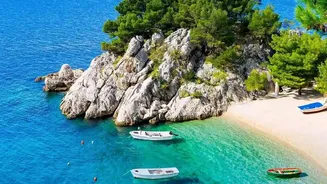
Hvar Town is famous for its glamorous party scene, but the island of Vis offers a completely different kind of allure. As the most remote of the main Dalmatian islands, Vis was a closed military base until 1989, a history that preserved its rugged, unspoiled character. Its two main towns, Vis Town and the fishing village of Komiža, have a laid-back, authentic feel. The island is a paradise for nature lovers, with stunning, often hard-to-reach beaches like Stiniva Cove, and a network of former military tunnels to explore. Vis is also a celebrated foodie destination, known for fresh seafood and its unique Vugava wine. It's an island that rewards slow travel, perfect for those seeking peace over parties.
Discover Nature on Mljet and Lastovo
For travelers looking to truly escape, the southern islands of Mljet and Lastovo are unparalleled. Over a third of Mljet is a national park, featuring two saltwater lakes where you can swim, kayak, and cycle in serene pine forests. A small islet in the larger lake holds a 12th-century Benedictine monastery, accessible by a small boat. Even more remote is Lastovo, an archipelago so far from the mainland it was also a military exclusion zone. As a designated Nature Park, Lastovo is one of the most forested islands in the Adriatic, with a population of fewer than 800 people. Its isolation has created some of the darkest skies in Europe, making it an incredible destination for stargazing.
Making Your Island-Hopping Dream a Reality
Connecting these islands is easier and more affordable than you might think. Croatia’s ferry network is extensive, with the state-owned Jadrolinija running most car ferries and many catamarans, while private companies like Krilo and TP Line offer fast, passenger-only services on popular routes. By basing yourself on an island, you’ll find that daily costs for food and drink are often lower than in the major mainland tourist hubs, especially if you seek out the local 'konobas' (taverns) away from the main harbour. Booking accommodation and ferries in advance is wise for peak season (July-August), but traveling in the shoulder months of June or September offers the best balance of good weather, fewer people, and lower prices.