

Understanding the Celestial Spectacle
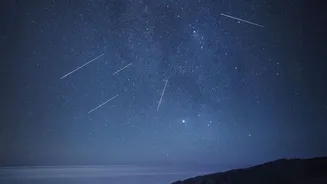
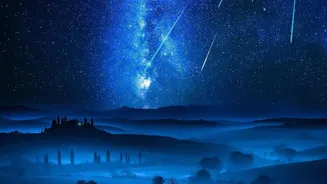
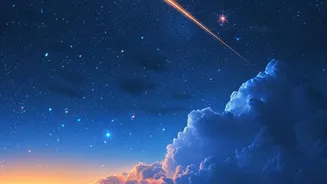
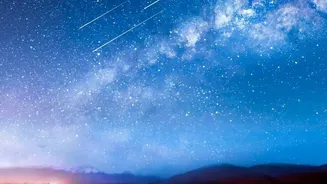
Meteor showers are the dazzling result of Earth passing through a trail of cosmic dust and debris left behind by a comet or asteroid. As these tiny particles, often no bigger than a grain of sand, enter our atmosphere at incredible speeds, they burn up
and create the bright streaks of light we call 'shooting stars'. The two major events to mark on your calendar for 2026 are the Perseids in August and the Orionids in October. Both are known for their reliability and brightness, making them perfect for beginners and seasoned stargazers alike.
The Perseids: Summer's Dazzling Firework Show
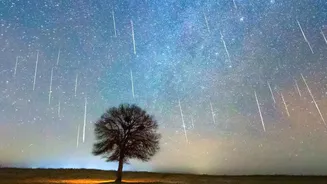
The Perseid meteor shower is one of the year's best and most popular celestial events. In 2026, it promises to be exceptional. The peak is expected on the night of August 12-13. Crucially, this coincides with a New Moon, meaning the sky will be perfectly dark, allowing even faint meteors to shine. Under ideal conditions, you could see over 50 meteors per hour. These meteors are debris from the comet Swift-Tuttle. For the best views in India, look towards the northeastern sky after midnight, from around 2 AM to dawn.
The Orionids: Debris from Halley's Comet
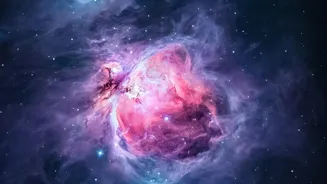
In October, the sky puts on another show with the Orionid meteor shower, created by debris from the famous Halley's Comet. The peak for 2026 will be on the night of October 21-22, in the hours before dawn. While not as numerous as the Perseids, the Orionids are known for their speed and can produce between 15 to 25 meteors per hour in a dark sky. The radiant, or point from which they appear to originate, is the constellation Orion. Moon conditions are also favourable, offering dark skies for viewing after moonset, making it a great year for this shower.
Essential Hacks for a Great Viewing Experience
The single most important factor for watching a meteor shower is to escape light pollution. Your location in a non-metro area is a huge advantage. Find a spot with a wide-open view of the sky, away from streetlights and buildings. Give your eyes at least 15-20 minutes to fully adapt to the darkness; this will dramatically increase the number of meteors you can see. Avoid looking at your bright phone screen, as it will ruin your night vision. If you need light, use a torch covered with red cellophane. Finally, be patient. Meteor showers are not a constant downpour; they come in spurts.
Comfort Is Key for All-Night Stargazing
You don’t need a telescope or binoculars, as they limit your field of view. Your eyes are the best tool for the job. Instead, focus on comfort. Bring a reclining chair or a thick blanket to lie on. Even on summer nights, it can get chilly in the pre-dawn hours, so dressing in layers and having a warm jacket is a good idea. Packing a hot drink and some snacks can also make the experience much more enjoyable as you wait for the celestial show to unfold.
Ideal Dark Sky Havens in India
India is blessed with incredible spots for stargazing, far from the glare of metro cities. The high-altitude deserts of Ladakh and Spiti Valley in Himachal Pradesh are world-renowned, with Hanle in Ladakh being India's first official Dark Sky Reserve. For something more accessible, consider the vast, flat expanse of the Rann of Kutch in Gujarat, especially during the Rann Utsav, where the white salt desert provides an unobstructed 360-degree view. In the south, the coffee plantations and hills of Coorg in Karnataka offer dark pockets away from town centres, perfect for a peaceful night under the stars. The key is to find any location with minimal artificial light and a clear horizon.