

The Rise of 'Skinimalism'
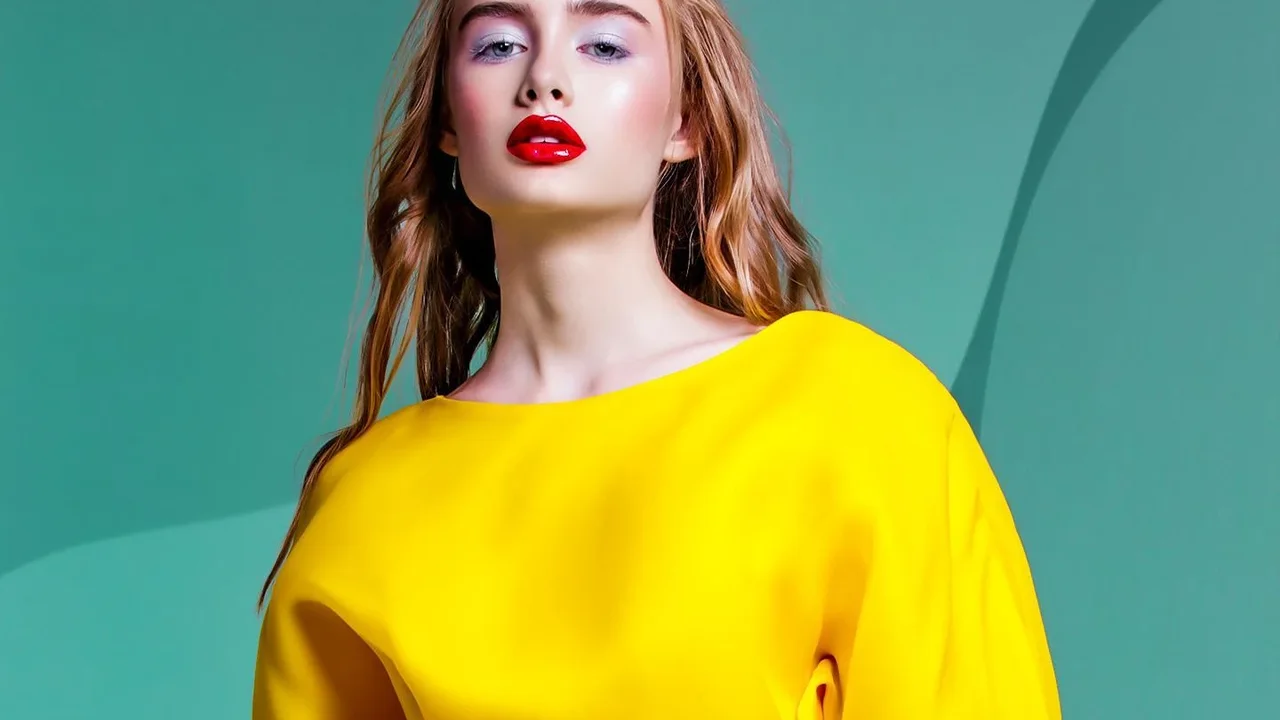
If the 2010s were defined by the sculpted, high-coverage 'Instagram Face,' the 2020s belong to 'skinimalism'. It’s a beauty philosophy championed by Gen Z that prioritizes the health and natural texture of the skin over masking it. This trend isn't about
giving up makeup entirely; rather, it's a mindful shift towards using fewer, more effective products that enhance rather than conceal. The goal is no longer a flawless, poreless canvas, but an authentic one. This generation grew up with an unprecedented level of information, learning about ingredients from dermatologists on TikTok rather than from magazine ads. They value transparency and simplicity, rejecting complex, 12-step routines for streamlined regimens that celebrate real skin.
Skincare Is the New Foundation
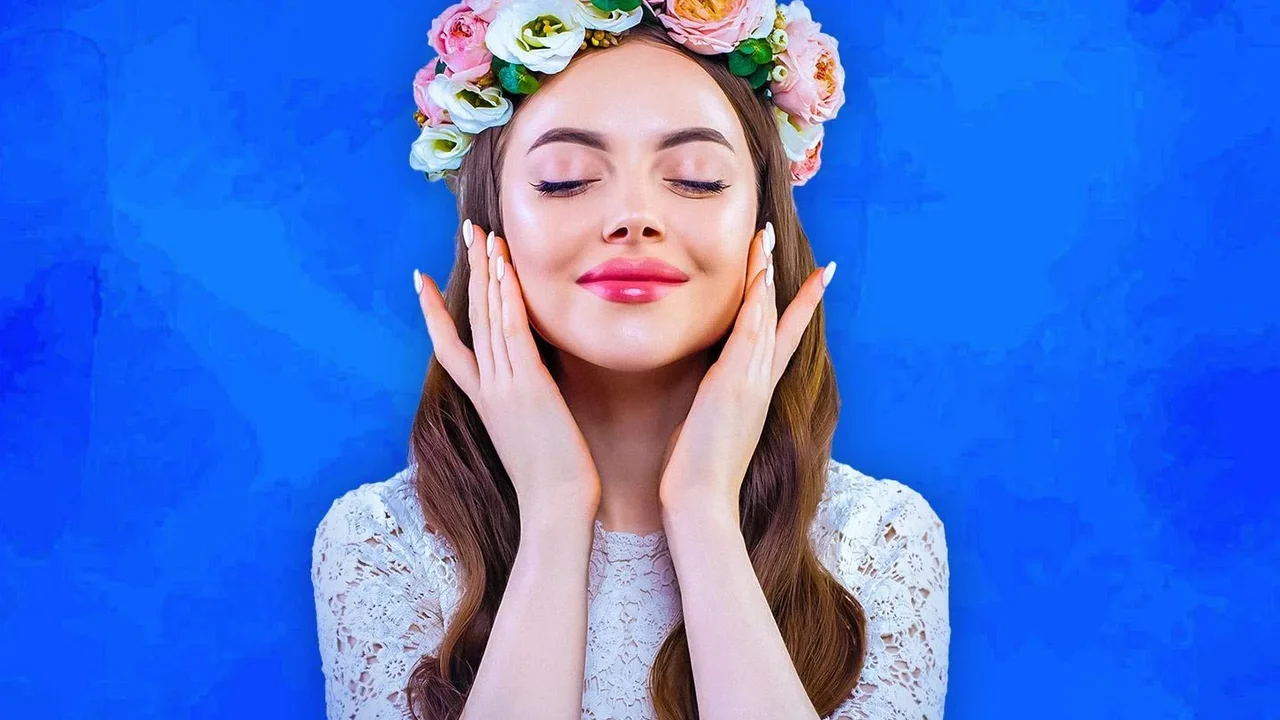
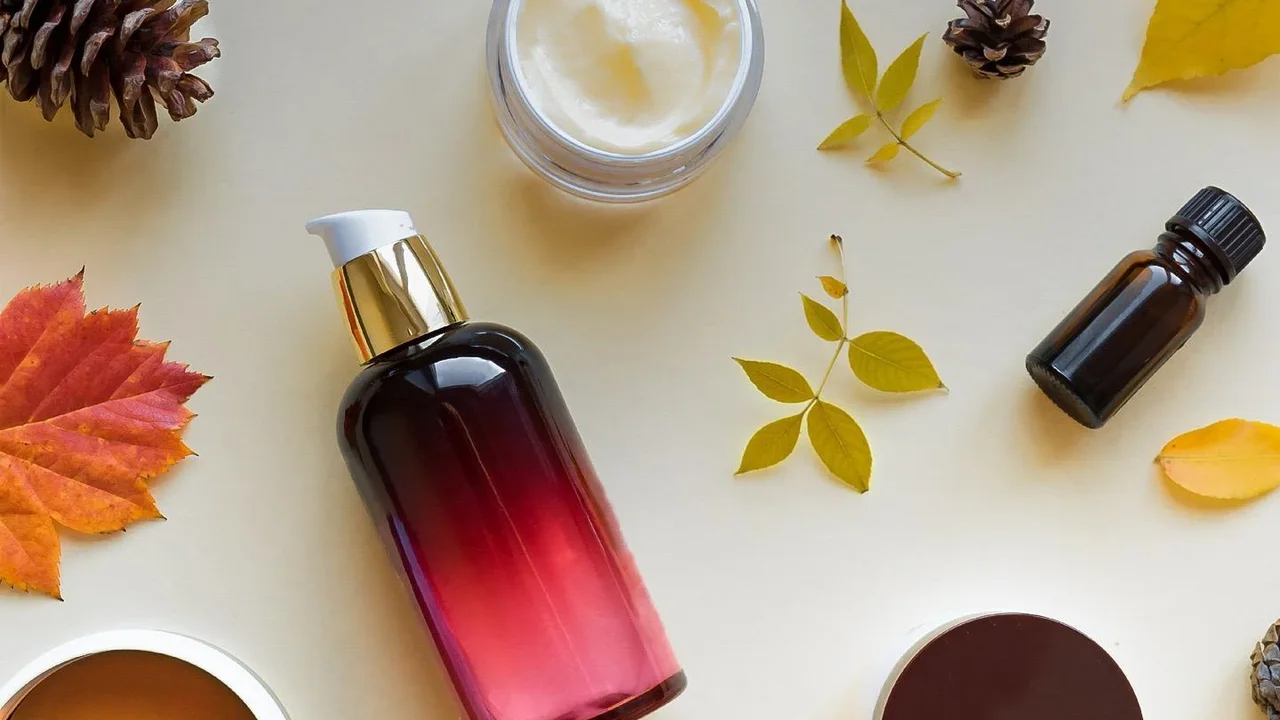
For many in Gen Z, the ultimate status symbol isn't a luxury foundation, but healthy, glowing skin. They are investing heavily in skincare, with spending in this category often surpassing makeup. The logic is simple: if you take good care of your skin, you don't need to cover it up. This has fueled a demand for products with active ingredients like hyaluronic acid, niacinamide, and ceramides that improve the skin's barrier and overall health. The focus has moved from a temporary fix with cosmetics to a long-term investment in skin health. This preventative and treatment-focused approach makes heavy foundation feel not just unnecessary, but counterintuitive to the goal of letting healthy skin breathe.
From Instagram Perfection to TikTok Authenticity
The platforms where trends are born have a huge influence on the aesthetics they produce. While Millennial makeup was shaped by the static, filtered perfection of Instagram, Gen Z's beauty standards are forged in the dynamic, often unfiltered world of TikTok. The short-form video format favors relatability and authenticity over unattainable perfection. Creators gain followings by showing their real skin texture, talking openly about acne, and applying makeup in a more casual, experimental way. This has dismantled the pressure to present a single, polished version of oneself, creating space for individuality and self-acceptance to become the new beauty ideals. The 'clean girl' aesthetic, which emphasizes a fresh and minimal look, first gained massive traction on the platform and reflects this broader shift.
The New Complexion Wardrobe
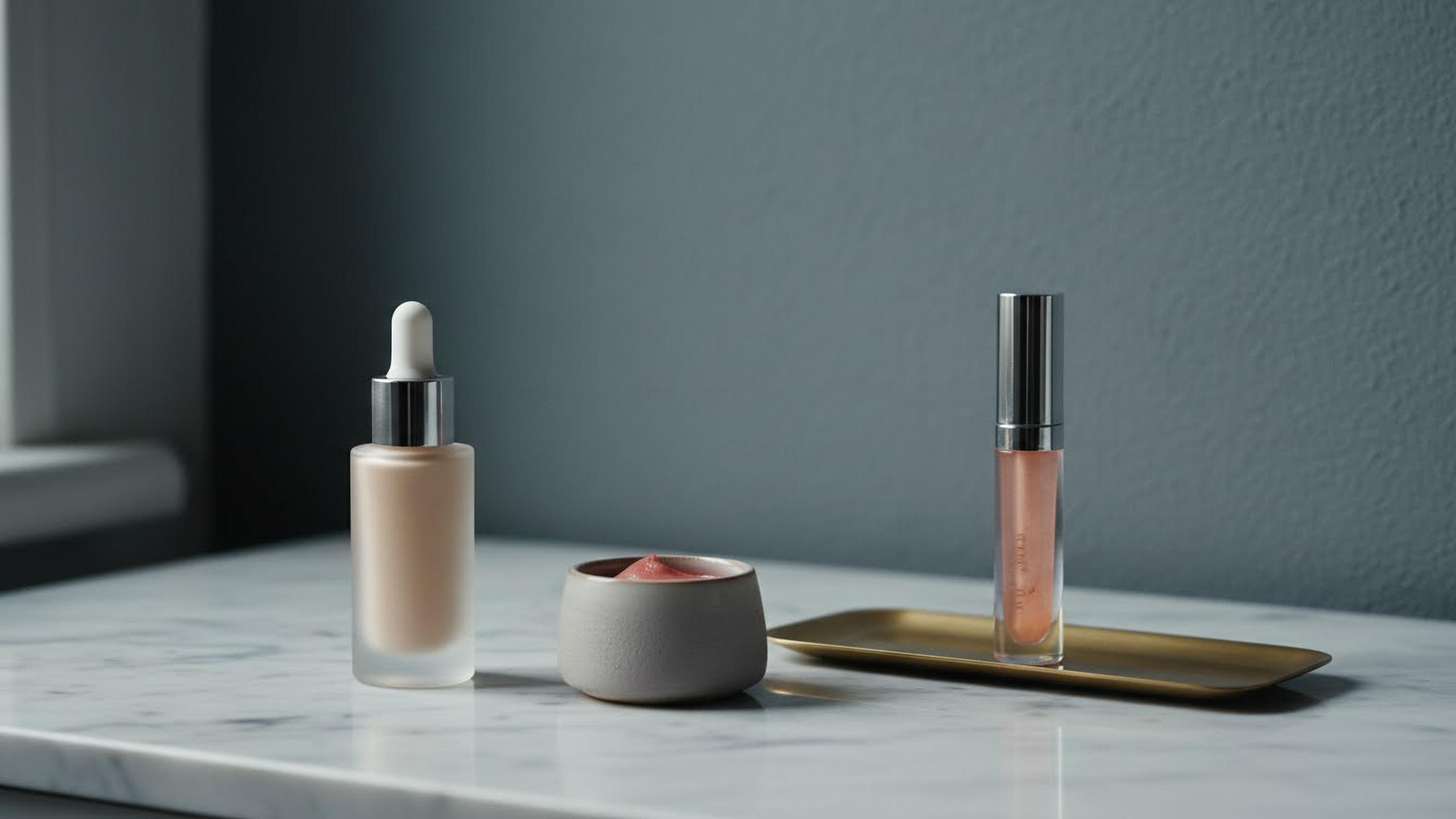
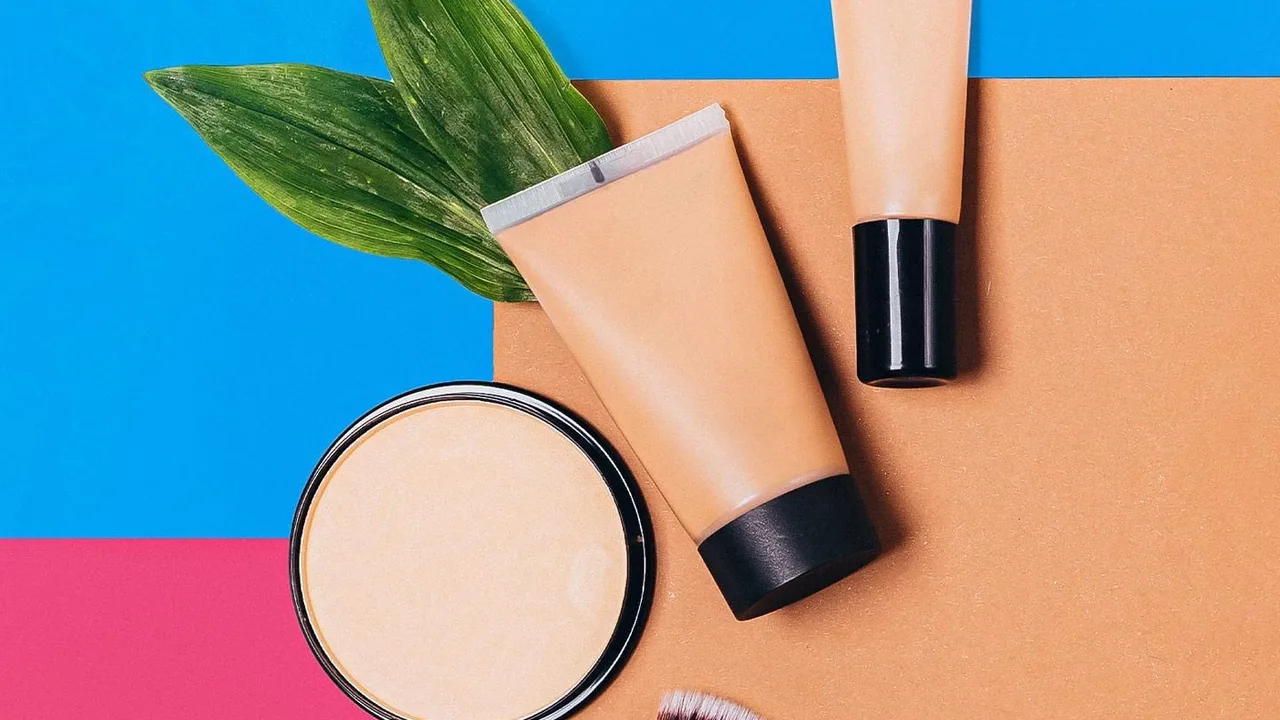
So, what has replaced heavy foundation? The answer lies in a new category of multi-tasking complexion products. Lightweight skin tints, tinted moisturizers, and serum foundations are now the heroes of the Gen Z makeup bag. These products offer sheer, breathable coverage that evens out skin tone while remaining virtually undetectable. Their appeal is twofold: they provide a natural, dewy finish, and they are often infused with skincare benefits like hydration and SPF protection. Instead of one heavy-duty foundation, many now have a 'wardrobe' of these lighter options, choosing a product based on their skin's needs for the day. Spot concealing—using a small amount of concealer only where needed—has also become a popular technique, allowing the rest of the skin to remain bare.
A Statement About More Than Makeup
Ultimately, the move away from heavy foundation is about more than just aesthetics; it's a reflection of Gen Z's core values. This generation demands authenticity, sustainability, and inclusivity from the brands they support. The trend towards minimalism means using fewer products, which translates to less consumer waste. It also represents a pushback against rigid beauty standards that have historically catered to a narrow range of skin tones and types. By embracing their natural skin, Gen Z is making a powerful statement: that beauty is not about conforming to a flawless ideal, but about celebrating oneself with confidence and creativity. They see makeup as a tool for self-expression, not a mask for hiding imperfections.