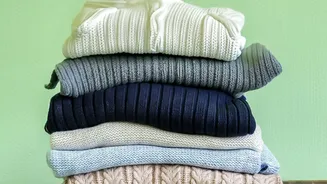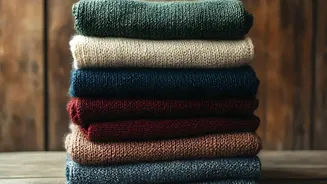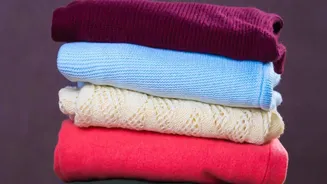






Why Air-Dry? The Gentle Alternative
Machine dryers, while convenient, can be harsh on delicate fibres. The combination of high heat and tumbling friction can cause irreversible shrinkage, stretching, and damage to fabrics like wool, cashmere, and silk. Air-drying is a gentler alternative
that preserves the integrity of these materials. By avoiding the intense heat, you maintain the natural shape, softness, and elasticity of your favourite winter garments. This not only keeps them looking new for longer but also protects your investment in quality pieces. Furthermore, air-drying is an eco-friendly choice that saves energy and reduces your household's carbon footprint.
First, A Gentle Wash
Proper drying begins with a proper wash. Before you even think about drying, always check the care label on your garment. For most delicate winter wear, hand washing in cold or lukewarm water is the safest option. Hot water can cause fibres like wool to shrink or felt. Use a mild detergent specifically designed for delicates or wool, as regular detergents can strip natural fibres of their essential oils. When washing, gently press the soapy water through the fabric instead of scrubbing or wringing, which can cause damage.
Master the Flat-Dry Method
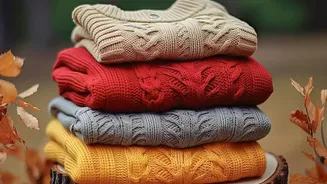
For heavy knits like wool and cashmere sweaters, hanging them to dry is a recipe for disaster. The weight of the water will pull the garment down, causing it to stretch and lose its shape permanently. The solution is the flat-dry method. After washing, gently lift the sweater, supporting its full weight. Never wring it out. Instead, lay it flat on a clean, thick towel. Carefully roll the towel and sweater together like a sushi roll, pressing firmly to squeeze out excess water. Unroll, and transfer the damp sweater to a dry towel or, ideally, a mesh drying rack, which allows for better air circulation. Gently reshape the sweater to its original dimensions and leave it to dry flat, away from direct sunlight or heat.
Hanging with Care
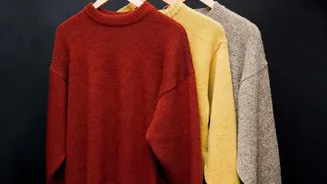
Not all items need to be dried flat. Lighter materials like silk blouses, durable synthetics, and some blended fabrics can be hung to dry. The key is to use the right technique. Use padded or wide-shouldered hangers to avoid creating bumps and distortions in the fabric. Always fasten any zippers or buttons before hanging to prevent snagging. Position your drying rack in a well-ventilated area to speed up the process and prevent any musty odours. If you're drying indoors, opening a window or using a fan or dehumidifier can significantly improve airflow and reduce drying time.
The Right Tools for the Job
While you don't need a lot of fancy equipment, a few key items can make air-drying much more effective. A foldable drying rack is a versatile investment that provides ample space for both hanging and flat-drying. Mesh sweater-drying racks are specifically designed to allow air to circulate underneath knits, drastically reducing drying time. High-quality wooden or padded hangers are essential for protecting the shape of your garments. And a collection of clean, absorbent towels is crucial for the towel-roll method to remove excess water from heavy knits.
A Note on Patience
The one drawback of air-drying is that it takes longer than machine drying. A heavy cable-knit sweater could take anywhere from 12 to 36 hours to dry completely, depending on the humidity and airflow in your home. It can be tempting to place items near a radiator or in direct sun to speed things up, but this can cause uneven drying, fading, and damage to the fibres. Instead, embrace the slow process. A little patience is a small price to pay for ensuring your most cherished winter pieces last for many seasons to come. You can also try running an extra spin cycle in your washing machine to remove more water before drying.