




A Moon of Many Names
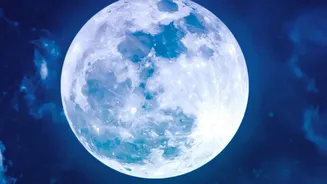
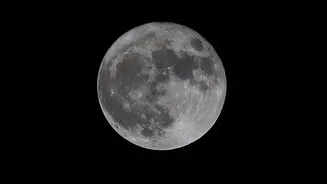
October's full moon is most famously known as the Hunter's Moon. However, that name isn't guaranteed every year. The naming tradition is tied to the autumnal equinox, which marks the start of fall in the Northern Hemisphere. The full moon that occurs
closest to the equinox (around September 23) is called the Harvest Moon. The full moon that follows it is then named the Hunter's Moon. For 2026, the Harvest Moon falls on September 26, making the full moon on October 26 the Hunter's Moon. These names are more than just folklore; they are living history, reminding us of a time when the sky was a vital calendar for agriculture and survival.
The Science of an Early Moonrise
On average, the moon rises about 50 minutes later each day. But around the time of the fall equinox, something special happens. For several consecutive nights, the moon can rise just 25 to 30 minutes later. This effect is what provides the 'extended evening light' and minimizes the period of darkness between sunset and moonrise. The reason lies in orbital mechanics. The moon's path across the sky, known as the ecliptic, intersects the horizon at different angles throughout the year. In the autumn months, this angle is at its shallowest. Because the moon's orbit is nearly parallel to the horizon at this time, its upward movement from one night to the next is less pronounced, causing it to appear at nearly the same time each evening.
A Helping Hand from History
Before the invention of electricity, this reliable evening light was incredibly practical. The Harvest Moon's extra light allowed farmers to work late into the night, bringing in their crops before the first frost. Following the harvest, the Hunter's Moon served a similar purpose. With fields now cleared of crops, it was easier for hunters to spot animals like deer, which were fattened from a summer of foraging. The bright, early moonrise extended the hunt, allowing communities to gather and preserve meat for the long winter ahead. The names are a direct reflection of the seasons and the vital tasks that the moonlight helped accomplish.
That Big, Orange Appearance
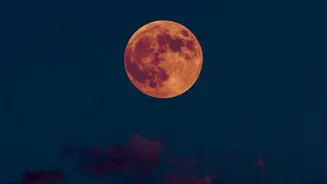
When you see the Hunter's Moon low on the horizon, you might notice two things: it looks enormous and has a distinct orange or reddish hue. The impressive size is an optical trick known as the 'Moon Illusion'. When the moon is near the horizon, your brain compares it to familiar objects like trees and buildings, making it appear larger than it does when it's high in the sky. The colour comes from Earth's atmosphere. When the moon is low, its light has to travel through more of our atmosphere to reach your eyes. This longer journey scatters the shorter, blue wavelengths of light, allowing the longer, red and orange wavelengths to pass through, giving the moon its warm, autumnal glow.
How to Best View the Hunter's Moon
The 2026 Hunter's Moon reaches its peak illumination just after midnight on Monday, October 26, but the best time for viewing is actually on the evening of Sunday, October 25. For the most dramatic effect, find a spot with a clear view of the eastern horizon and look up shortly after sunset. You don't need a telescope or binoculars to enjoy the sight. For several nights before and after the peak, the moon will still appear nearly full, rising shortly after sunset and continuing the spectacular display of extended evening light that has captivated sky-watchers for centuries.