








The Monsoon's Economic Lifeline
The southwest monsoon is more than just a weather event; it's the backbone of India's agricultural economy. Delivering about 70% of the country's annual rainfall, it is critical for the vast tracts of farmland that are not irrigated. This seasonal rain replenishes
reservoirs essential for drinking water and hydropower and dictates the success of the crucial kharif or summer crop season. This harvest, which includes staples like rice, pulses, oilseeds, and cotton, directly impacts the livelihoods of more than half of India's population. A healthy monsoon can boost agricultural output and rural incomes, driving demand for everything from tractors to consumer goods. Conversely, a weak or failed monsoon can trigger a cascade of economic problems, starting with lower farm output and higher food prices.
What Do We Mean by a 'Monsoon Shift'?
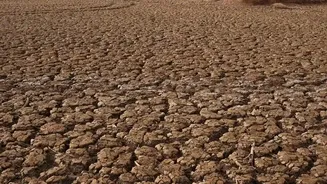
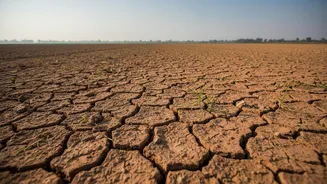
The concern isn't just about a single 'bad' monsoon year. Experts point to a more troubling long-term shift in the monsoon's character. Instead of a steady, predictable progression from June to September, the pattern is becoming more erratic. This shift manifests in several ways: a delayed onset, prolonged dry spells punctuated by sudden, intense downpours, and uneven distribution of rain across the country. One region might experience flooding while a neighbouring state faces drought-like conditions. This year, for instance, has seen significant rainfall deficits in key agricultural states, even as other areas have dealt with excess rain. Experts suggest that climate change and phenomena like El Niño contribute to this volatility, making the monsoon's behaviour harder to forecast and manage.
From Pulses to Produce: What Gets Expensive?
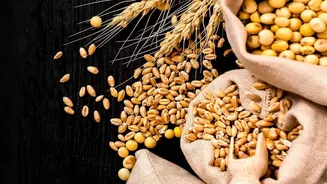
The most immediate impact of an erratic monsoon is on the sowing and growth of rain-dependent kharif crops. As of mid-August 2026, overall kharif sowing was lagging behind the previous year. Rice acreage has seen a decline, and the sowing of pulses like tur (arhar) and moong has also been affected. These crops are particularly vulnerable to the timing of rainfall; a long dry spell during critical growth stages can stunt plants and reduce yields, even if the total seasonal rainfall is normal. This has a direct knock-on effect on prices. In July 2026, food inflation rose to 5.52%, driven by sharp increases in the prices of kitchen essentials like ginger, garlic, and onions. While some vegetables like tomatoes saw prices fall, the broader trend points towards pressure on household budgets, with even items like coriander (dhaniya) becoming significantly more expensive due to supply disruptions caused by untimely rains.
The Ripple Effect Beyond Your Kitchen
The consequences of a struggling farm sector ripple far beyond the local vegetable market. Higher food prices contribute directly to headline inflation, which can influence the Reserve Bank of India's decisions on interest rates. A weak monsoon can also dampen rural demand, affecting sales for companies that sell two-wheelers, tractors, and fast-moving consumer goods. Farmers, faced with uncertainty, are already beginning to adapt by shifting to less water-intensive crops like sunflower and certain vegetables that offer faster returns. However, this shift in cropping patterns could have long-term implications for the supply of staple grains and pulses. A poor harvest may also force the government to spend more on farmer support schemes or increase imports of certain commodities like edible oils or pulses to control domestic prices, putting a strain on government finances.