





The Power Packed in a Peel
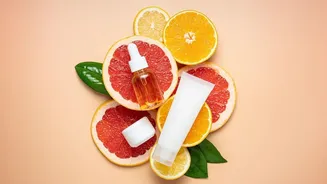
We often discard citrus peels without a second thought, but they are a powerhouse of beneficial compounds for the skin. The peels of oranges, lemons, and grapefruits contain a higher concentration of Vitamin C than the fruit's pulp itself. This potent
antioxidant helps brighten skin, supports collagen production for firmness, and protects against environmental damage. Peels are also rich in flavonoids and other antioxidants that can rejuvenate the skin and reduce the appearance of fine lines. Furthermore, the natural acids, like citric acid, act as a gentle exfoliant, helping to slough off dead skin cells and reveal a smoother, more radiant complexion underneath.
How to Prepare Your Peels
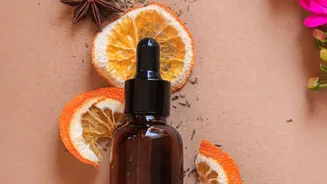
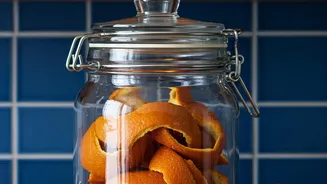
The safest and most effective way to use citrus peels in skincare is by drying and grinding them into a fine powder. This method reduces the risk of irritation from the fresh peel's potent oils. Start with organic, unwaxed citrus to avoid pesticides. Wash and dry the fruit thoroughly before peeling. Using a vegetable peeler, remove only the coloured part of the peel (the zest), trying to leave behind the bitter white pith. You can dry the peels in a few ways: air-dry them in a single layer in a warm, dry spot for several days; use a dehydrator set to a low temperature (around 57°C) for 6-8 hours; or bake them in an oven on its lowest setting (around 95-100°C) for a couple of hours until they are brittle and snap easily. Once completely dry and cooled, use a coffee or spice grinder to blitz the peels into a fine, consistent powder. Store your powder in an airtight container in a cool, dark place.
DIY Brightening Face Scrub
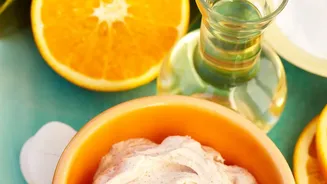
A simple scrub can help invigorate dull winter skin by gently removing dead cells. The fine texture of citrus peel powder makes it an excellent physical exfoliant. For a single-use scrub, combine two teaspoons of your homemade citrus peel powder with one teaspoon of a carrier oil like coconut or olive oil. Mix them into a paste that resembles damp sand. For extra nourishment and softening, you can add a small amount of honey or finely ground oatmeal. To use, apply the scrub to damp skin and massage very gently in circular motions for about 60-90 seconds, paying attention to avoid the delicate eye area. Rinse thoroughly with lukewarm water, pat your skin dry, and follow up with your favourite moisturiser.
Nourishing Citrus Peel Face Mask
For a deeper treatment, a face mask can deliver the brightening benefits of citrus peel over a longer period. To create a simple and hydrating mask, mix one tablespoon of citrus peel powder with two tablespoons of plain yogurt or honey. Yogurt contains lactic acid for additional gentle exfoliation, while honey is a natural humectant that draws moisture into the skin. Stir the ingredients into a smooth, spreadable paste. Apply a thin, even layer to your clean face, avoiding your eyes and mouth. Let the mask sit for 10-15 minutes; don't allow it to dry and crack completely. To remove, gently rinse with warm water and your fingertips. This treatment can help improve skin texture and impart a healthy glow.
Important Safety Precautions
While beneficial, citrus ingredients require caution. The most significant risk is phytophotodermatitis, a chemical reaction that can cause burns, blisters, or dark spots when skin treated with citrus compounds is exposed to UV light. This is primarily a risk with fresh juices and essential oils. Although using dried peel powder is safer, it's crucial to only use these homemade treatments in the evening and to wear broad-spectrum sunscreen during the day. Never apply fresh citrus juice directly to your skin, as its high acidity can disrupt your skin's protective barrier and cause irritation. Before using any new homemade preparation, perform a patch test on a small, discreet area of skin (like your inner arm) to check for any adverse reaction.