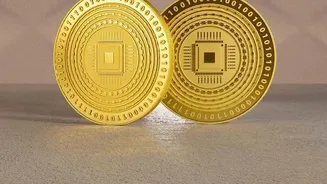







What Exactly is Digital Gold?
Think of digital gold as a modern way to own the classic safe-haven asset. Instead of buying a physical coin or ornament, you purchase 24K gold online through an app. This gold is 99.9% pure and is stored in secure, insured vaults on your behalf by the seller,
such as MMTC-PAMP or SafeGold. You get a digital record of your ownership, which you can track on your phone anytime. This process removes the biggest hurdles of traditional gold buying: worries about purity, high making charges, and the risk of theft or storage.
Your First ₹100: The Power of a Small Start
The single biggest advantage for a student is the low barrier to entry. Most digital gold platforms allow you to start investing with as little as ₹1, ₹10 or ₹100. This concept, known as fractional ownership, means you don't have to save up thousands to buy a full gram of gold. You can buy a tiny fraction of a gram with the money you might spend on a coffee. This transforms investing from a daunting goal into a simple, repeatable habit. For a student, this is a game-changer, allowing you to get a feel for how markets work without any significant financial risk.
Why It's Easier Than You Think
The convenience of digital gold is its superpower. You can buy or sell gold 24/7 directly from your smartphone using familiar payment methods like UPI. There's no need to open a demat account, deal with complex paperwork, or visit a jeweller. The entire process—from KYC to purchase—is completed within minutes on the app. This high liquidity means that if you need cash, you can sell your holdings instantly at live market rates, and the money is typically credited to your bank account quickly. This flexibility is crucial for students who may have unpredictable expenses.
Benefits Beyond the Low Price Tag
Beyond accessibility, digital gold offers several key benefits. Firstly, you avoid making charges, which can be as high as 10-15% on jewellery and are never recovered upon resale. With digital gold, your money goes directly into the asset itself. Secondly, the gold is stored in highly secure, insured vaults, saving you from locker fees and anxiety. Finally, it’s a powerful tool for portfolio diversification. Gold often moves in the opposite direction of stock markets, acting as a hedge against economic uncertainty and inflation—a valuable lesson in wealth protection to learn early.
Understanding the Risks and Charges
While digital gold is convenient, it’s important to be aware of the costs and risks. Every purchase includes a 3% Goods and Services Tax (GST), which is non-recoverable when you sell. There is also a 'spread,' meaning the buy price is usually 2-5% higher than the sell price. This means digital gold is not suited for quick trading but rather for gradual, long-term accumulation. Another key point is regulation; unlike Gold ETFs, digital gold is not directly regulated by SEBI. This makes it essential to use well-established platforms that partner with trusted custodians for vaulting services.
How It Compares to Other Gold Investments
For a beginner, digital gold is often the most straightforward option. Gold Exchange-Traded Funds (ETFs) are another digital way to invest, but they require a demat and trading account, which can be a barrier for students. Sovereign Gold Bonds (SGBs) are government securities that offer interest income and are tax-free on maturity, making them excellent for long-term investors. However, they have a lock-in period of eight years. Digital gold shines for its simplicity, zero lock-in, and micro-investment feature, making it the ideal first step before exploring more complex instruments like ETFs or SGBs.