





The Danger of Drowning Roots
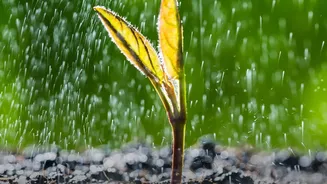
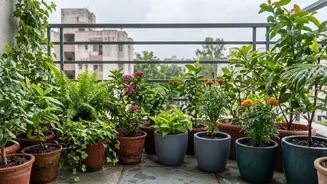
While rain is natural, container gardens face unique challenges. Unlike plants in the ground, balcony pots have limited space for excess water to go. When soil becomes waterlogged, it cuts off oxygen supply to the roots. This suffocation leads to root rot,
a condition where roots decay, become mushy, and lose their ability to absorb nutrients and water. The irony is that an overwatered plant often looks like an underwatered one, with wilting, yellowing leaves, because its damaged roots can no longer function properly. This makes it crucial to focus on prevention, as saving a plant from advanced root rot is difficult.
Good Drainage Is Your First Defence
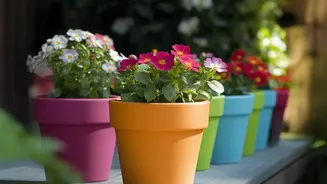
Proper drainage is the single most important factor in preventing your plants from drowning during wet weather. Before the heavy rains begin, take the time to inspect every pot. Ensure each one has multiple, unobstructed drainage holes at the bottom. Over time, these holes can get clogged with compacted soil or roots. If a pot has no holes, it should only be used as a decorative outer cachepot, not for direct planting. To further boost drainage, elevate your containers. Placing pots on stands, bricks, or even simple 'pot feet' creates a small air gap underneath, allowing water to escape freely and preventing them from sitting in puddles on the balcony floor.
Choose a Lightweight, Thirsty Soil
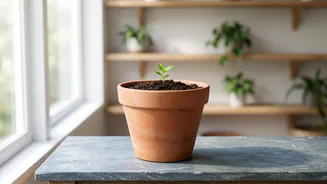
The soil you use plays a massive role in managing moisture. Heavy garden soil or dense compost holds onto water for too long, which is a recipe for disaster in a rainy climate. Opt for a lightweight, well-draining potting mix specifically designed for containers. These mixes are formulated to retain enough moisture for the plant while letting the excess drain away quickly. You can also amend your existing soil to improve its structure. Adding materials like perlite, coarse sand, or coco peat creates air pockets in the soil, enhancing drainage and preventing it from becoming a dense, muddy block. Fabric grow bags are another excellent option as their porous walls allow water to drain from all sides, not just the bottom.
Learn to Read the Soil
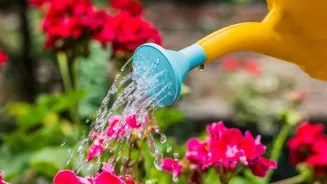
During a rainy spell, your regular watering schedule becomes obsolete. The golden rule is to always check the soil before adding more water. The most reliable method is the finger test: insert your finger about two inches into the soil. If it feels damp, hold off on watering. Don't be fooled by a dry surface, as the soil deeper down can still be saturated. Many plants prefer their soil to dry out slightly between waterings. Getting into this habit prevents you from accidentally overwatering a plant that has already received plenty from the rain. This simple, hands-on check is more effective than sticking to a rigid calendar.
Provide Shelter and Improve Airflow
Not all plants enjoy a constant downpour. For smaller, more delicate plants or those sensitive to excess water, consider moving them to a more sheltered part of the balcony, like under an overhang, during heavy rain. High humidity and wet foliage can also encourage fungal diseases. To combat this, ensure there is good air circulation around your plants. Avoid crowding them too closely together. Pruning away some lower leaves can also help improve airflow around the base of the plant and reduce the risk of fungal growth on damp foliage. If you notice any yellowing or diseased leaves, remove them promptly to prevent problems from spreading.
Adjust Your Fertiliser Schedule
Frequent, heavy rain doesn't just add water; it also washes away essential nutrients from the soil, a process called leaching. This can leave your plants starved for food, even as they appear to be getting plenty of water. However, you should avoid fertilising right before or during a heavy downpour, as the nutrients will simply be washed away before the plant can absorb them. A better approach is to wait for a break in the weather. After a period of intense rain, apply a slow-release granular fertiliser or a diluted liquid feed. This will replenish the lost nutrients and support the lush new growth that the monsoon encourages.