






The Hidden Cost of On-the-Go Snacking
Whether it is a long train journey, a road trip, or waiting at an airport, reaching for a packaged snack is second nature. Yet, this convenience creates a staggering amount of waste. The tourism industry is a major contributor to plastic pollution, generating
millions of tonnes of waste annually. Much of this comes from food and beverage packaging, such as chip packets, plastic bottles, and disposable containers. Studies have shown that many people generate significantly more single-use plastic waste while on vacation than at home, often double or even triple the amount. This waste often ends up in landfills or, worse, polluting natural landscapes and oceans, harming wildlife and diminishing the beauty of the very destinations we travel to see.
Why Plant-Based is a Greener Choice
Choosing plant-based snacks adds another powerful layer to your sustainable travel efforts. Animal agriculture is resource-intensive, requiring vast amounts of land, water, and energy. It is a significant source of greenhouse gas emissions, contributing nearly 15% of all human-caused emissions. In contrast, plant-based foods have a much lower environmental footprint. Producing plant-based snacks requires a fraction of the land and water, helping to conserve natural resources and preserve biodiversity. By opting for snacks made from fruits, vegetables, grains, and nuts, you are not just reducing plastic waste, but also lowering your overall carbon footprint.
Your Zero-Waste Travel Snack Toolkit
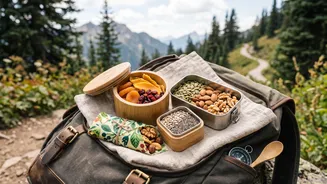
Making the switch to homemade snacks is easier with the right gear. Investing in a small, reusable toolkit is the first step to eliminating single-use plastics from your travel routine. Start with a few essentials: durable, leak-proof containers made of stainless steel or glass are perfect for everything from roasted chickpeas to chopped fruit. Reusable silicone bags are a great, flexible alternative to plastic zip-top bags. Don't forget a reusable water bottle to stay hydrated without buying disposable plastic bottles, a major source of travel waste. A cloth napkin and a set of bamboo or steel cutlery can replace countless paper napkins and plastic forks. Finally, a good quality insulated bag can help keep your food fresh for longer, especially on warm days.
Easy, Travel-Friendly Snack Ideas
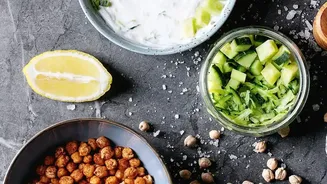
You don’t need to be a master chef to create delicious, portable snacks. Focus on items that are durable and don't require refrigeration. Roasted chickpeas, seasoned with chaat masala or garam masala, are a crunchy, high-protein option. Homemade energy balls, made with dates, oats, and nuts, provide a quick boost of energy. A simple trail mix of almonds, walnuts, seeds, and dried fruits like apricots is endlessly customisable. You can also bake a batch of granola bars, oatmeal cookies, or savoury crackers. For shorter trips, fresh fruit, vegetable sticks with hummus in a sealed container, or whole-wheat pita bread are excellent choices. The key is to prepare items in advance, so they're easy to grab and go.
Packing Smarter for Indian Journeys
Travelling in India presents its own unique set of conditions. To ensure your homemade snacks survive train rides and long car journeys, smart packing is crucial. Always use airtight and leak-proof containers, especially for anything with moisture, like dal or sabzi for a meal. It's wise to test your container's seal at home before you pack. To prevent items like rotis or parathas from getting soggy, wrap them in aluminium foil or beeswax wraps instead of sealing them in a box with hot food. Arrange your food in structured layers within your bag, with heavier containers at the bottom and lighter, more delicate items on top to prevent crushing. By portioning your meals and snacks before you leave, you also reduce the chance of waste and make meal times on the go much smoother.