




The Spectacle of a Million Lights
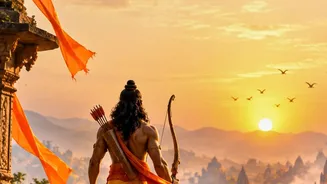
Deepotsav commemorates Lord Ram's triumphant return to Ayodhya after 14 years of exile, a story central to Diwali. Today, this tradition is honoured with a breathtaking display of millions of 'diyas' (earthen lamps) along the ghats of the Saryu River,
especially at Ram Ki Paidi. This government-organised event has grown exponentially since it began in 2017. Year after year, it sets new Guinness World Records for the largest display of oil lamps, with the 2025 edition seeing over 2.6 million diyas lit simultaneously. For 2026, the aim is to surpass previous records, with a target of lighting over 3 million lamps, making it a cultural and spiritual event of immense scale. The effort involves thousands of student volunteers who meticulously arrange and light the lamps, creating a mesmerising river of light that is the festival's central, unmissable experience.
Key Dates and Main Events for 2026
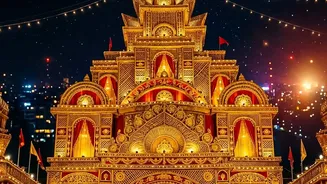
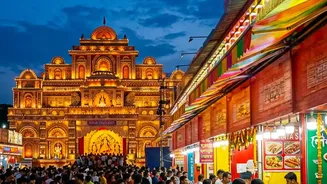
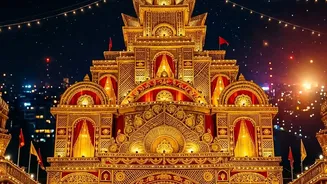
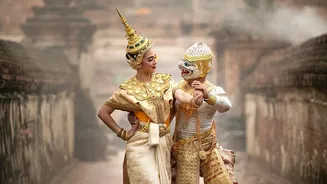
For 2026, the main Deepotsav celebrations are expected to run from November 5th to 7th, culminating in the grand lamp lighting on the evening of Saturday, November 7th. This is the day before Diwali, which falls on Sunday, November 8th. The day's events typically include a 'Shobha Yatra', a vibrant cultural procession with tableaux depicting scenes from the Ramayana. This is often followed by a symbolic re-enactment of Lord Ram's return. The main event at dusk involves the Saryu Maha Aarti, followed by the record-breaking mass diya lighting at Ram Ki Paidi. The spectacle is further enhanced with modern additions like elaborate laser shows, projection mapping, and drone formations that narrate stories from the epic Ramayana in the night sky.
Accommodation: Book Months in Advance
The single most critical piece of advice for anyone planning to visit during Deepotsav is to book accommodation far in advance. Hotels and homestays are often fully booked for the festival dates months ahead of time. Options range from dharamshalas and budget guesthouses to mid-range and premium hotels. Staying close to Ram Path or the Ram Ki Paidi area is ideal, as it allows you to walk to the main event venues and temples, which is crucial because vehicular traffic is heavily restricted. Due to the massive influx of pilgrims and tourists, many travellers book their stays 6 to 12 months in advance or opt to stay in nearby cities like Lucknow or Varanasi, though this involves a long commute on crowded days.
Getting There and Navigating the City
Ayodhya is now well-connected by air, rail, and road. The Maharishi Valmiki International Airport (AYJ) is about 10-15 km from the city center, with flights from major Indian cities. The city has two main railway stations: Ayodhya Dham Junction, which is very close to the Ram Mandir, and Ayodhya Cantt. However, arriving during the festival period requires patience. Expect significant traffic diversions starting 48-72 hours before the main event, with most private vehicles barred from entering the city's core. The best way to get around the temple areas and ghats is on foot or by using local e-rickshaws for short distances. Be prepared for long walks and large crowds everywhere you go.
Beyond the Ghats: Other Must-Visit Sites
While Deepotsav is the main draw, your visit is incomplete without paying homage at Ayodhya's sacred temples. Plan to visit the Shri Ram Janmabhoomi Temple early in the morning to avoid the heaviest crowds. Tradition dictates visiting Hanuman Garhi, a temple perched on a mound, before heading to the Ram Mandir. Other significant sites include Kanak Bhawan, believed to be a palace gifted to Sita, and the ancient Nageshwarnath Temple. During the festival week, these temples are also beautifully decorated and hold special pujas, but navigating them requires strategic timing, preferably during the mornings before the Deepotsav crowds gather in the evening.
Essential Tips for a Smooth Experience
To make the most of your trip, arrive at least a day before the main event on November 7th to acclimate and get your bearings. On the main day, head to the viewing areas near Ram Ki Paidi well before dusk to secure a spot, though be aware that the main ghats might be restricted to passholders. Wear comfortable footwear for extensive walking and dress modestly out of respect for the religious setting. Carry essentials like water, snacks, a power bank, and any necessary medications, as shops near the event areas will be overwhelmed. While security is tight, always be mindful of your belongings in any dense crowds. Most importantly, embrace any unique spiritual energy of this unforgettable celebration.