






1. Tatkal and Premium Tatkal (PT) Quota
This is the go-to option for last-minute travel plans. The Tatkal Quota opens one day in advance of the train's departure from its originating station—at 10 AM for AC classes and 11 AM for non-AC classes. It carries a fixed extra charge over the base
fare. The Premium Tatkal (PT) Quota opens at the same time but operates on a dynamic pricing model, similar to airline tickets. As demand rises and seats fill up, the fare increases. A key difference is that PT generally only issues confirmed tickets, whereas Tatkal can have a waitlist (TQWL). If you absolutely must travel and General Quota is full, Tatkal is your first stop. If Tatkal seats also fill up in seconds, and you're willing to pay more for a guaranteed berth, Premium Tatkal is your best bet. Remember, concessions like the senior citizen discount do not apply to either of these quotas.
2. Ladies Quota (LD)
A crucial but often underutilised option is the Ladies Quota. This reserves a small number of berths—typically six in Sleeper (SL) and some AC coaches—specifically for female passengers. This quota can be used by women travelling alone, in a group of other women, or with a male child under the age of 12. There is no age restriction for the woman, and the ticket costs the same as a General Quota ticket. When searching for trains on the IRCTC website, you can select 'Ladies' from the quota dropdown menu. If a berth is available in the Ladies Quota, it will be allotted. If not, the system will try to book a ticket under the General Quota. For solo female travellers or mothers with young children, this quota significantly increases the chances of getting a confirmed berth on a busy route by competing in a much smaller, dedicated pool of applicants.
3. Berth Preference and Its Limits
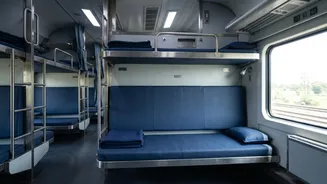
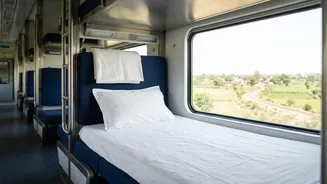
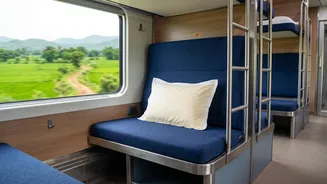
During booking, IRCTC allows you to state a berth preference: Lower, Middle, Upper, Side Lower, or Side Upper. It’s important to understand this is a 'preference,' not a guarantee. The system's algorithm tries to honour it based on availability at the exact moment of booking. However, certain passengers are given automatic priority for lower berths. This includes senior citizens (men 60+ and women 45+) and pregnant women. Even if you don't fall into these categories, always set your preference. Leaving it as 'No Preference' gives you zero control. For instance, if you're tall, an Upper berth might feel less cramped. If you value window views and easy access, a Lower or Side Lower berth is ideal. While not guaranteed, setting a preference is a simple step that can lead to a more comfortable journey if luck and availability are on your side.
4. Auto 'Class' Upgradation Scheme
This is one of the most helpful yet overlooked features on IRCTC. While booking, you will see a checkbox that says 'Consider for Auto Upgradation'. Opting in means that if there are vacant seats in a higher class after the chart is prepared, you might be upgraded for free. For example, a confirmed Sleeper (SL) class passenger could be moved to AC 3-Tier (3AC), or a 3AC passenger to 2AC, without paying any extra money. This is a win-win: passengers get a more comfortable journey, and the railways ensures maximum occupancy. The process is entirely automated and random, so it cannot be guaranteed. However, since there is no extra charge and your original booking remains secure, there is virtually no downside to opting in. It's a simple click that could lead to a pleasant surprise and a better travel experience.