






A New Itinerary for Growth
The modern traveller, both domestic and international, is increasingly seeking more than just sightseeing. They crave authenticity, connection, and immersive cultural experiences. This shift in preference is steering the tourism industry away from standardized
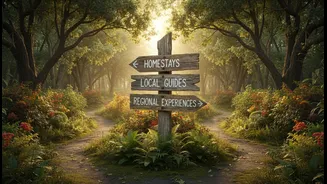
packages and towards a model that is more personal and sustainable. As a result, the real engines of this new tourism economy are not large corporations, but the local entrepreneurs: the knowledgeable guide, the welcoming homestay host, and the nimble regional tour operator. This grassroots approach ensures that tourism revenue circulates within local economies, creating a more equitable and robust growth model. Travellers get a richer experience, and communities get a direct stake in preserving their cultural and natural heritage.
The Guide as Cultural Ambassador
The role of the tourist guide is evolving from a simple navigator to a crucial cultural interpreter. Recognising their importance, the government has launched ambitious initiatives to upskill thousands of guides across the country. The Union Budget 2026, for instance, announced a pilot scheme to provide high-quality training for 10,000 guides at 20 iconic sites, in collaboration with prestigious institutions like the Indian Institutes of Management (IIMs). This 12-week programme focuses on enhancing communication skills, historical knowledge, customer service, and digital tools. The goal is to transform guides into storytellers who can offer deep insights into India's heritage, thereby enriching the visitor experience and elevating India's position in the global tourism market.
From Spare Room to Economic Hub
The homestay sector in India is experiencing an unprecedented boom, driven by a desire for authentic local living. This growth is a powerful tool for inclusive development, bridging the accommodation gap of an estimated 200,000 hotel rooms, especially in remote areas. Initiatives like NITI Aayog's strategic roadmap and financial support through MUDRA loans are empowering individuals and families to turn their homes into micro-enterprises. This model is particularly effective in empowering women, who manage a majority of homestay operations, providing them with financial independence. In states like Uttarakhand and Himachal Pradesh, homestays are providing viable livelihoods that help curb out-migration from rural villages. The impact is profound, with studies showing that the homestay sector has a higher employment multiplier effect than the overall tourism industry.
Powering Regional Economies
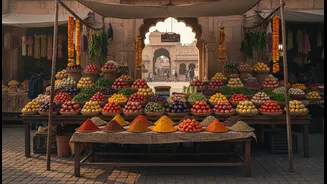
Small, local tour operators are the crucial link that ties these elements together. By creating unique travel circuits that feature local guides and homestays, they ensure that tourist spending remains within the community. These operators are vital for promoting lesser-known destinations and developing niche tourism sectors like ecotourism and rural tourism. Government schemes like Swadesh Darshan 2.0 are designed to support this very model, focusing on the development of sustainable and responsible tourism destinations. This approach not only creates jobs in hospitality and transport but also stimulates demand for local handicrafts and agricultural products, creating a virtuous cycle of economic activity that benefits the entire region.