



A Sanctuary of Superlative Biodiversity
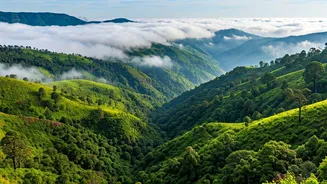
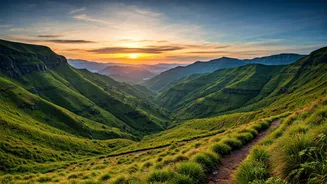
Stretching over 1,600 kilometres along India's west coast, the Western Ghats are a UNESCO World Heritage Site and one of the world's eight 'hottest hotspots' of biological diversity. Older than the Himalayas, these mountains are a living, breathing library
of life. For weekend travelers, this translates into an immersive nature experience. The region is home to thousands of plant and animal species, many of which are endemic, meaning they can't be found anywhere else on the planet. This includes iconic and rare wildlife like the lion-tailed macaque, Nilgiri tahr, and a vibrant array of birds, frogs, and butterflies. A short trip here offers a rare chance to disconnect from urban life and reconnect with a wild, ancient world, making it a powerful draw for those seeking authenticity and wonder.
The Magic of the Monsoon
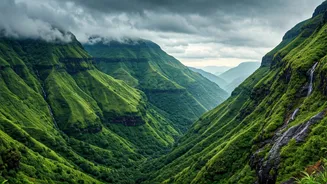
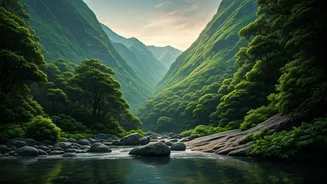
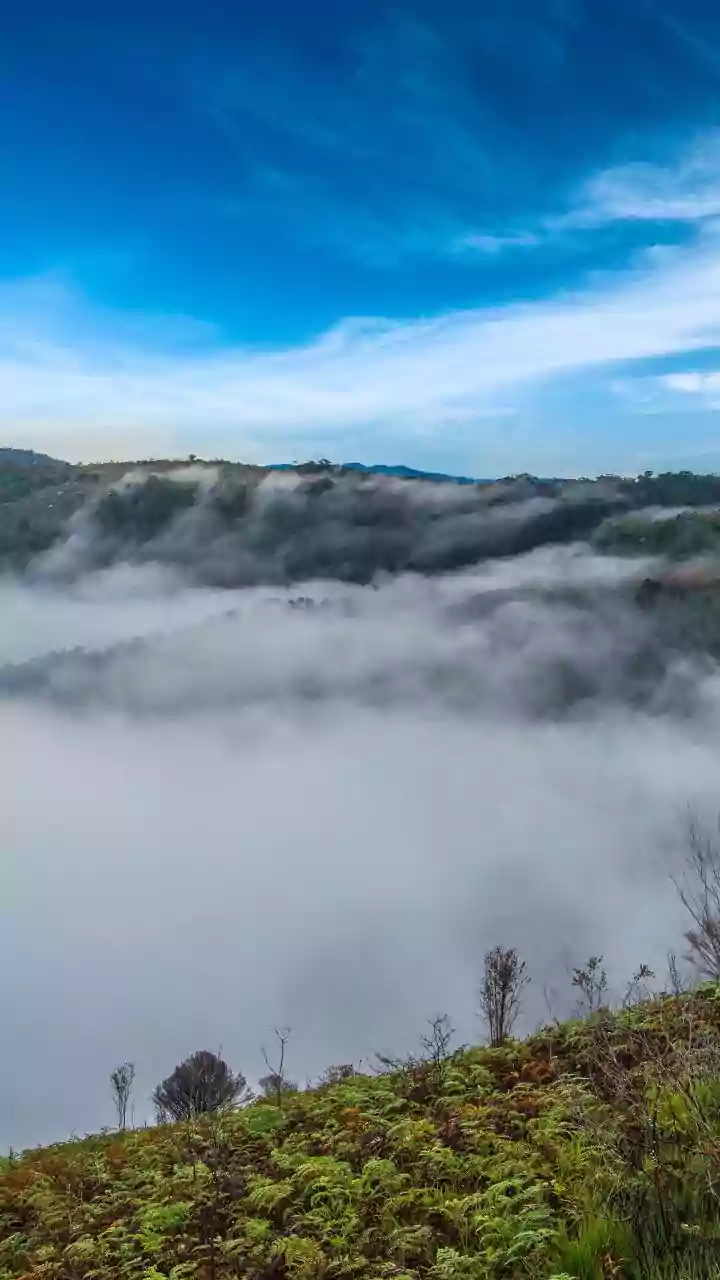
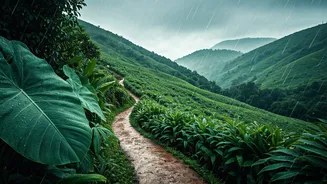
While many destinations wind down during the rainy season, the Western Ghats come alive. The monsoon, typically from June to September, transforms the landscape into a scene of dramatic beauty. Dry, brown hillsides erupt into a carpet of lush green, countless waterfalls burst into life, and a constant, gentle mist hangs in the air. This seasonal makeover creates a unique atmosphere that travelers find captivating. It's a time for chasing waterfalls like Dudhsagar or Jog Falls, trekking through cloud-covered forests, and simply enjoying the dewy petrichor—the rich scent of rain on dry earth. For many, the slightly cooler, cleaner air and the sheer theatricality of the monsoon are reasons enough to make the trip.
An Adventure Playground Within Reach
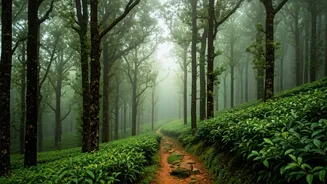
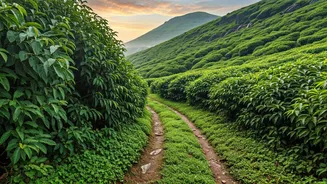
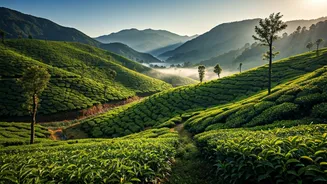
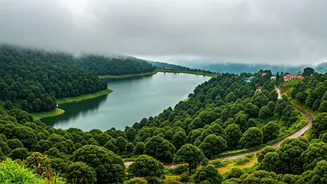
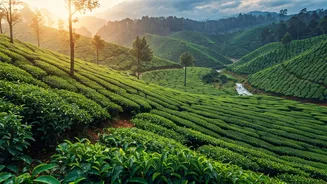
A huge part of the Western Ghats' appeal lies in its accessibility. Major cities like Mumbai, Pune, Bengaluru, and Kochi are just a few hours' drive from pristine hill stations, dense forests, and adventure hubs. This makes it the perfect destination for a short, rejuvenating weekend break without the hassle of long-distance travel. The range offers a diverse menu of activities for every type of traveler. Adventure junkies can tackle challenging treks to peaks like Kudremukh or Kalsubai, go river rafting in Dandeli, or explore ancient forts like Rajmachi. Those seeking a more relaxed pace can find it in the quiet plantation trails of Coorg and Wayanad or the serene lakes of Kodaikanal.
Hill Stations and Homestays
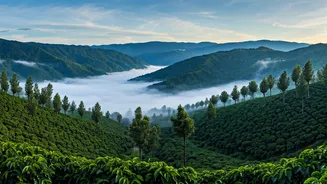
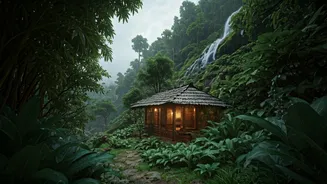
The Western Ghats are dotted with charming hill stations, many of which retain a colonial-era charm. Places like Munnar, Ooty, Mahabaleshwar, and Matheran offer a cool respite from the heat of the plains. These towns serve as perfect bases for exploration, providing stunning viewpoints, botanical gardens, and bustling local markets. Beyond the traditional hotels, a growing culture of eco-friendly resorts, homestays, and plantation bungalows allows visitors to experience local life and cuisine up close. Whether it's staying on a coffee estate in Chikmagalur, a spice garden in Kerala, or a farm in the Sahyadris, these accommodations provide a more personal and immersive experience that keeps travelers coming back.
A Rich Cultural and Historical Tapestry
The allure of the Ghats isn't just natural; it's also deeply cultural. The mountains are home to ancient temples, historic forts, and indigenous communities with deep-rooted traditions. Trekkers can explore centuries-old fortresses perched on steep cliffs, remnants of the Maratha Empire, offering both a history lesson and panoramic views. The region's sacred groves are protected by local communities, representing a harmonious relationship between humans and nature. From the unique Kodava culture in Coorg to the diverse culinary traditions that change with every state the Ghats pass through, a trip here is also a journey through a rich and varied heritage.