





Why Wayanad in the Monsoon?
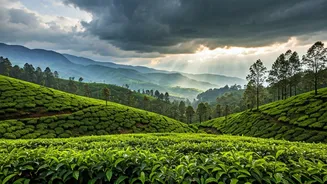
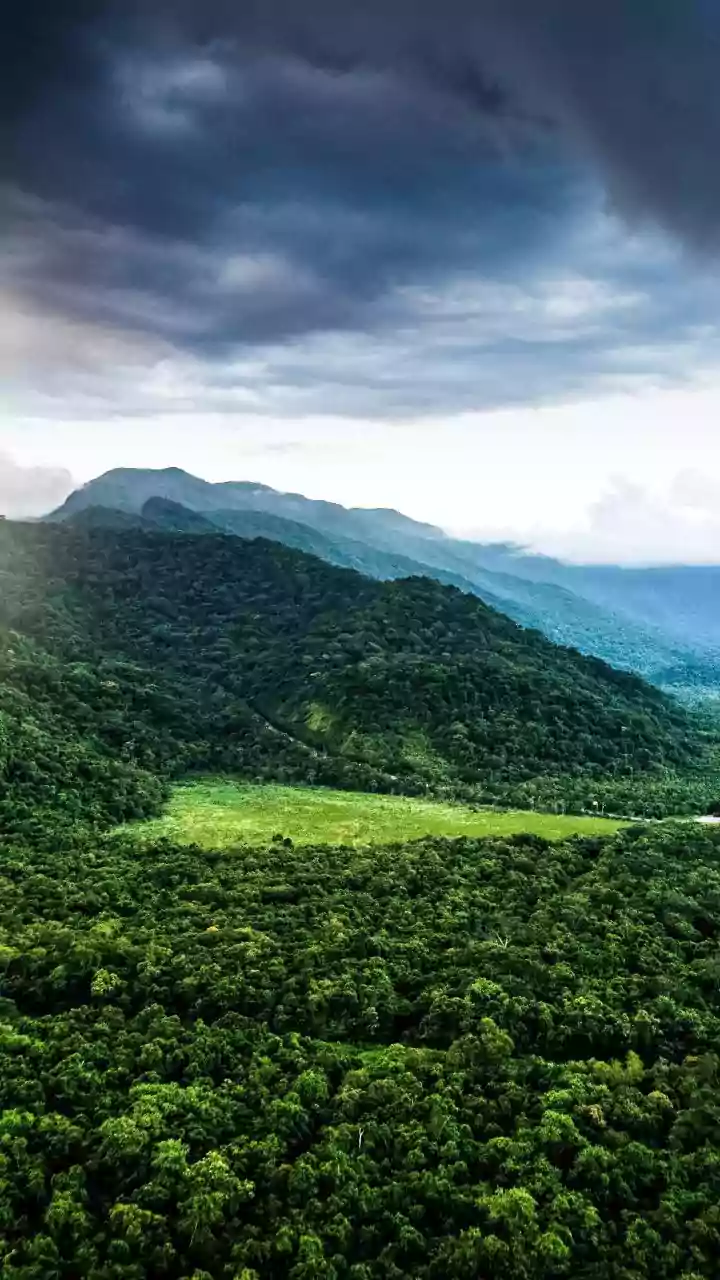
For many, the rainy season is a time to stay indoors. But in Wayanad, it’s when the district truly comes alive. The landscape transforms into an endless canvas of green, waterfalls roar back to life, and the air is thick with the fresh scent of wet earth
and tea leaves. The monsoon, or 'Varsha' as it's known locally, isn't an off-season here; it’s the main event. The usual crowds thin out, leaving behind a serene, contemplative atmosphere. It’s a time for slowing down, for sipping hot chai while watching the rain fall, and for reconnecting with nature in its most dramatic and beautiful form. This isn't a holiday for beach-goers, but for those who find peace in the rhythm of the rain and beauty in the lush, dripping wilderness.
The Rise of the Eco-Cabin
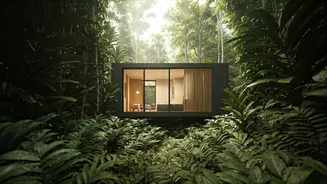
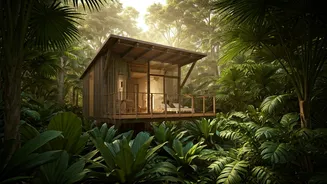
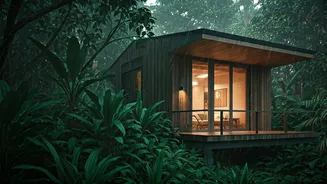
As travellers become more conscious of their environmental footprint, a new kind of accommodation is gaining popularity in Wayanad. These are not your standard concrete hotels. Instead, think cabins built from locally sourced bamboo, reclaimed wood, and other natural materials. 'Sustainable' here is more than just a buzzword. It's a philosophy that guides everything from construction to daily operations. These properties often feature rainwater harvesting systems, organic farms that supply their kitchens, and waste management practices that aim for a zero-waste goal. By choosing an eco-cabin, you’re not just booking a room; you’re supporting a model of tourism that respects the local ecology and benefits the community, often by employing local artisans and guides.
An Immersive Natural Experience
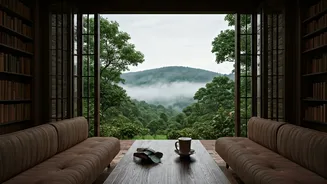
Staying in an eco-cabin is an experience in itself. Unlike a conventional hotel that insulates you from the outdoors, these structures are designed to bring you closer to it. Large windows might frame a view of a paddy field turning emerald in the rain. A private veranda could be the perfect spot for birdwatching as the mist rolls in and out. The design philosophy is one of minimal intrusion. You might hear the chirping of crickets and frogs at night instead of the hum of an air conditioner. It’s an opportunity to disconnect from digital noise and tune into the sounds, sights, and smells of the forest. Many of these getaways offer guided nature walks, treks to hidden waterfalls, and lessons in local farming, allowing for a deep, authentic connection with the region.
Where to Find Your Green Haven
Wayanad is dotted with properties that champion this eco-conscious ethos. While not an exhaustive list, places like Wayanad Wild by CGH Earth are known for their commitment to preserving the surrounding forest. Others, like Vythiri Resort, famously feature treehouses that blend seamlessly into the canopy, offering a unique vantage point to enjoy the monsoon. Smaller, boutique establishments and homestays often provide an even more intimate experience, with hosts sharing their passion for sustainable living. When searching, look for properties that are transparent about their green credentials. Do they detail their water conservation methods? Do they talk about their connection with the local community? These are often the hallmarks of a truly sustainable stay.
Planning Your Rainy Retreat
A monsoon trip to Wayanad requires a bit of practical planning. Pack light, but include waterproof jackets, quick-drying clothes, and sturdy footwear with good grip for slippery paths. While the rain is the main attraction, it’s wise to carry a good book or download movies for cosy afternoons. Leeches can be common during treks, so ask your hosts for local remedies or carry salt. Getting there is straightforward, with Calicut International Airport being the nearest major hub, from where you can hire a cab for the scenic drive up the ghats. Most importantly, book your eco-cabin well in advance. These unique properties have limited availability and are highly sought after by those in the know, especially during the enchanting rainy season.