








Rethink Your Decorations
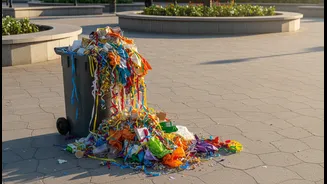
Festive decorations are essential for creating a celebratory mood, but single-use plastics and synthetic materials create immense waste. Instead, embrace natural and reusable options. Adorn your home with fresh, local flowers like marigolds and banana
leaves. Create vibrant rangolis using rice flour, turmeric, and flower petals instead of synthetic powders. For lighting, choose traditional clay diyas over plastic or wax candles, which supports local potters and avoids petroleum-based products. If you use electric lights, opt for energy-efficient LEDs. You can also get creative by upcycling old sarees and dupattas into colourful fabric streamers and drapes.
Feast Without the Waste
Food is central to any Indian celebration, but it can also be a major source of waste. Grand feasts often lead to significant leftovers and mountains of disposable cutlery. To combat this, plan your menu carefully based on your guest list. When serving, ditch the plastic and thermocol plates for reusable steel tableware or biodegradable alternatives made from areca leaves or bamboo. For drinks, traditional clay kulhads are a charming and eco-friendly choice. Arrange to donate any excess, untouched food to local shelters or food banks, ensuring your celebration helps nourish the wider community. You can also set up a home composting system for organic kitchen scraps.
Choose Conscious Idols and Offerings
Many festivals like Ganesh Chaturthi and Durga Puja involve the immersion of idols. Unfortunately, idols made from Plaster of Paris (PoP) and decorated with chemical paints release toxic substances into water bodies, harming aquatic life. A growing movement encourages the use of idols made from natural clay and painted with natural dyes that dissolve harmlessly. Some innovative artisans even create idols embedded with seeds that can grow into a plant after a symbolic immersion at home. Being mindful of what we offer back to nature is a powerful way to celebrate.
Gift Thoughtfully
Exchanging gifts is a beautiful tradition, but it often comes with excessive plastic packaging. This year, consider mindful gifting. Opt for presents that are sustainable, such as potted plants, handmade crafts from local artisans, or organic food products. Experiences, like a workshop or a planned outing, create lasting memories without any physical waste. When wrapping presents, get creative with reusable options like cloth bags (Furoshiki-style), old newspapers, or scarves. If you receive gifts, remember to save a-nd reuse the wrapping paper and gift bags for a future occasion.
Celebrate with Cleaner Air and Sound
Festivals like Diwali are synonymous with light, but often come with heavy air and noise pollution from firecrackers. The toxic smoke is a health hazard, and the loud noise is distressing for animals, children, and the elderly. Many states have regulations on firecrackers, so it's important to follow local guidelines. If you choose to use them, opt for "green crackers," which are designed to reduce emissions. A better alternative is to celebrate with light in other ways. Fill your home with the glow of countless diyas, organise community gatherings with music, or enjoy cultural performances. For Holi, swap synthetic chemical colours for natural, skin-safe dyes made from flowers and herbs.