


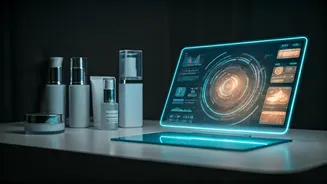


From Filters to Formulations
Not long ago, the primary function of a beauty app was to airbrush a selfie or let you virtually test a new lipstick shade. [2] While fun, these applications were purely cosmetic. Today, a new wave of apps has shifted focus from superficial edits to deep,
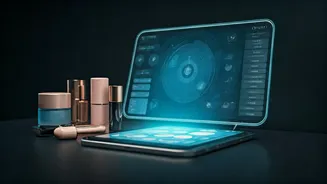
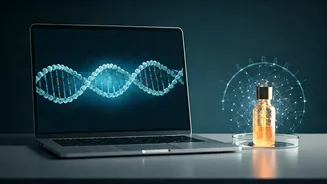
data-driven analysis. These platforms, which have grown into a multi-billion dollar market, promise to demystify skincare. [3] They are part of a larger trend in personalized technology, offering users a way to move beyond generic advice and trial-and-error, and toward a routine built for their unique skin. [11] Instead of just recommending popular products, these apps function as a full-blown skincare operating system. [12]
How Does Your Phone See Your Skin?
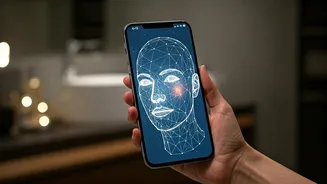
The technology powering these pocket-sized skin coaches is a combination of artificial intelligence (AI) and computer vision. [10] When you take a selfie, the app's algorithm analyzes it in seconds. [11] It uses a process that can involve machine learning models trained on vast databases of dermatologist-labeled images to identify and score various skin attributes. [4, 18] Advanced apps can detect over 15 distinct concerns, including wrinkles, pore size, acne, redness, texture, hydration levels, and pigmentation. [5, 13] Some even use different light spectrums to see below the surface, revealing things like UV damage that are invisible to the naked eye. [10] The result is a detailed report that gives you a numerical score and visual map of your skin's health. [1, 10]
The Promise of Personalization
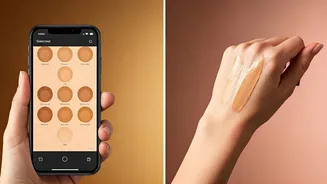
The main appeal of a digital skin coach is its ability to deliver a highly personalized routine. [11] After analyzing your selfie, the app can generate morning and evening routines, suggesting which of your existing products to use and when. [23] Some apps, like OnSkin and Skin-Pal AI, can also scan product barcodes to evaluate ingredient lists for safety and compatibility with your skin profile, flagging potential conflicts between active ingredients like retinol and vitamin C. [3, 6] The most compelling feature is progress tracking. [11, 21] By taking regular photos, you can monitor your skin's response to new products or habits over weeks and months, using objective data to see if a new serum is actually reducing your acne score or improving your skin's texture. [3]
A Look at the Leading Players
The market is crowded with innovative apps vying to be your go-to skin expert. Perfect Corp's technology, which powers apps like YouCam, is a dominant force, used by major brands and capable of analyzing numerous skin metrics. [1, 5, 6] Other notable apps include Skinive, which is CE-marked and can detect over 50 skin conditions, and CureSkin, which combines AI with reviews from real dermatologists. [1, 8] For those focused on ingredient transparency, apps like Think Dirty and OnSkin provide detailed breakdowns of product formulations. [3] Meanwhile, services like MDacne offer a more specialized approach, providing customized acne treatment kits based on an AI-powered analysis of your skin. [2]
The Digital Dermatologist? Not So Fast
Despite their impressive capabilities, these apps are not a replacement for a board-certified dermatologist. [7] While some studies show AI can be highly accurate in identifying certain conditions, experts caution against relying on them for medical diagnoses. [4] Many apps are not FDA-approved, and there are concerns about a lack of transparency and consistent validation. [9] Dermatologist Dr. Daniel Schlessinger advises that while the apps can be a good starting point for bringing attention to skin health, they aren't a substitute for professional medical advice, especially for serious concerns like skin cancer. [4, 7] Furthermore, some critics point out that many apps may be designed to funnel users toward purchasing specific products. [7, 18] They are best viewed as educational tools that empower you to understand your skin better, rather than a definitive diagnostic authority. [24]