
The Rhythm of the Seasons
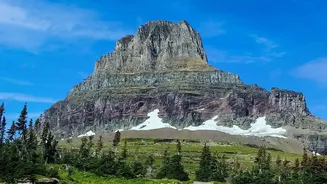
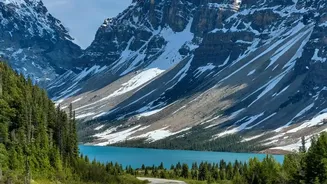
Understanding the general hiking seasons is the first step in planning your adventure. The prime time for hiking in the Rockies is relatively short, typically running from July through mid-September. Before this window, many high-elevation passes are
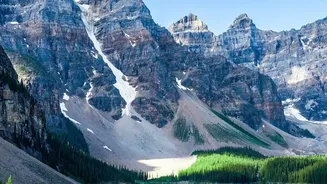
still covered in snow and pose an avalanche risk. Trails at lower elevations may become accessible as early as mid-May, but they are often wet and muddy. From mid-July, most alpine routes become snow-free, opening up the full splendour of the high country. By late September and October, you might be treated to stunning fall colours and fewer crowds, but you must be prepared for rapidly changing weather and the possibility of early snowstorms. Always remember that in the mountains, it can snow in any month of the year.
Why Trails Close: Beyond the Weather
Trail access is dynamic and can change in an instant for a variety of reasons. Being aware of these factors can help you anticipate potential disruptions. Snow and avalanche risk are primary concerns, especially in the spring, early summer, and fall. Annual seasonal closures are also common to allow trails to dry out and prevent damage. Wildlife activity is another major factor; trails are frequently closed to protect both animals and people. This is common during berry season when bears are highly active, or during elk calving season. Beyond nature's influence, human factors also play a role. Trails may be closed for essential maintenance, to repair flood or washout damage, or for wildfire risk reduction projects, such as prescribed burns or forest thinning. Always respect these closures—they are in place for your safety and the protection of the environment.
Your Official Go-To Resources
The single most important habit for any Rockies hiker is checking official sources before you go. For the national parks—including Banff, Jasper, Yoho, Kootenay, and Waterton Lakes—the definitive source is the Parks Canada website. It provides detailed trail condition reports, warnings, and active closures for each park. For areas outside the national parks, such as the popular Kananaskis Country, the Alberta Parks website is your essential resource. These sites list current conditions, hazards, and advisories, from downed trees to washed-out bridges. It is crucial to check these websites not just when you are planning your trip from home, but again on the morning of your hike, as conditions can change overnight.
On-the-Ground Intelligence
While online resources are vital, information on the ground is just as important. Always pay attention to signage at the trailhead. A trail might be listed as open online, but park staff may have put up a temporary notice about a hazard discovered just hours before. Visiting a park's visitor centre is another excellent way to get the most up-to-date information and advice directly from staff who know the area intimately. They can offer insights on trail conditions that may not have made it onto the website yet and suggest alternative hikes if your initial plan is disrupted. Don't be afraid to ask questions; their job is to help you have a safe and enjoyable experience.
A Hiker's Final Checklist
Before your boots hit the dirt, run through a final mental checklist. First, have you checked the official trail report within the last few hours? Second, have you checked the specific weather forecast for the elevation you'll be hiking at? Mountain weather changes fast. Third, are you prepared for changing conditions with layers of clothing, extra food, and water? And finally, have you told a reliable person your exact plan, including your route and expected return time? Being prepared means you can adapt your plans if a trail is unexpectedly closed, ensuring your day in the mountains is memorable for all the right reasons.