



It’s a familiar story: you buy beautiful, fresh produce, only to find it wilted and spoiled just days later. The culprit isn’t bad luck; it’s often hiding in plain sight in your refrigerator's crisper drawers.
The Science of Suffocation
Your refrigerator works by circulating cold,
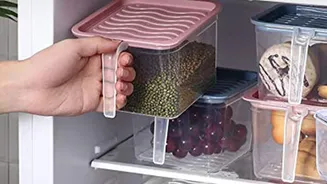
dry air to keep food preserved. However, when you pack your crisper drawers to the brim, you block the vents and prevent this essential airflow. This creates stagnant air pockets where the temperature can fluctuate and excess moisture from the produce itself gets trapped. Fruits and vegetables are still living and 'breathing' after being harvested, a process called transpiration where they release water vapor. Without anywhere for this moisture to go, it condenses on the drawer walls and the produce itself, creating a damp environment that is a perfect breeding ground for mold and bacteria, rapidly accelerating decay.
The Ethylene Gas Problem
A second, invisible saboteur is at work in a crowded drawer: ethylene gas. Many fruits—and some vegetables—naturally release this plant hormone as they ripen. In an open space, this gas dissipates. But in a tightly packed, unventilated drawer, ethylene becomes highly concentrated. This trapped gas acts as a powerful catalyst, signaling all nearby produce to ripen and age much faster. Storing an ethylene-producing apple next to ethylene-sensitive carrots or lettuce in a sealed space is a recipe for quick spoilage, as the gas effectively tells the vegetables to start breaking down.
Mastering Your Humidity Settings
Most crisper drawers have a small, adjustable vent that controls the humidity level. It’s a feature many people ignore, but it's crucial for produce longevity. A closed vent creates a high-humidity environment, while an open vent creates a low-humidity one. The goal is to separate produce based on its needs, which also helps manage ethylene gas. As a rule of thumb, drawers work best when they are about two-thirds full, allowing for proper circulation and humidity control.
Strategy for the High-Humidity Drawer
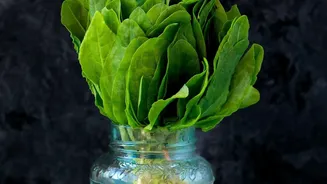
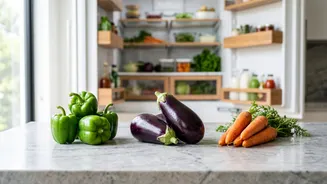
Set one drawer to 'high' humidity (vent closed). This setting traps moisture, making it the ideal home for produce that is prone to wilting or losing water quickly. This is where you should store most vegetables, especially thin-skinned and leafy ones. Good candidates for the high_humidity drawer include leafy greens like lettuce and spinach, fresh herbs, broccoli, cauliflower, carrots, cucumbers, and peppers. These items thrive in a moist environment that keeps them crisp. It is critical to keep ethylene_producing fruits out of this drawer, as the trapped humidity will amplify the gas's damaging effects on these sensitive vegetables.
Strategy for the Low_Humidity Drawer
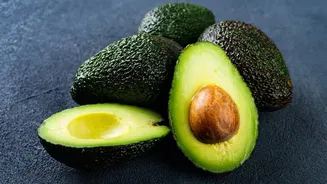
Set your other drawer to 'low' humidity (vent open). This allows moisture and ethylene gas to escape, making it the perfect spot for fruits and vegetables that emit high levels of ethylene. Storing them here prevents a buildup of the ripening gas, extending their own shelf life and protecting the produce in your other drawer. Place ethylene producers like apples, pears, peaches, plums, avocados, and melons in this drawer. Some ethylene_releasing items, like ripe bananas and tomatoes, are actually best left on the counter, as the cold can damage their texture.