




The Golden Rule of Watering
The most common mistake new plant owners make is overwatering. It comes from a good place, but roots that are constantly wet are susceptible to rot, which is often irreversible. Instead of watering on a strict schedule, learn to check your plants. The easiest
method is to stick your finger about an inch or two into the soil. If it feels moist, wait another day or two. If it feels dry, it is time to water. When you do water, do it thoroughly. Pour water into the pot until it begins to flow out of the drainage holes at the bottom. This ensures the entire root system gets a drink. Be sure to empty any excess water from the saucer, as letting a plant sit in standing water is a primary cause of root rot. It is far easier to save an under-watered plant than an overwatered one.
Understanding the Light in Your Home
Light is a plant's food, and getting it right is perhaps the most critical factor for success. Before you even buy a plant, observe the light in your home. 'Bright, indirect light' is the most common requirement, which means a spot near a window where the sun's rays do not fall directly on the leaves for hours. An east-facing window with gentle morning sun is often perfect. A spot a few feet back from a sunny south- or west-facing window also works. Low light does not mean no light; it typically refers to a corner of a room or a hallway where there is enough light to read, but it's far from a window. While some plants tolerate low light, very few truly thrive in it. Signs of insufficient light include weak, stretched-out growth and yellowing leaves.
The Right Foundation: Pots and Soil
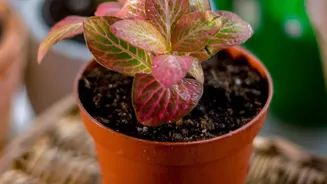
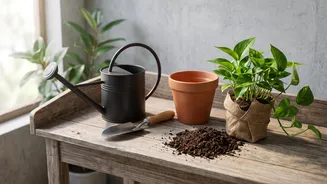
The container and soil you choose are just as important as light and water. The number one rule for pots is to ensure they have drainage holes. Without drainage, water pools at the bottom, leading to the dreaded root rot. If you fall in love with a decorative pot that has no holes, use it as a 'cachepot' by placing a slightly smaller plastic nursery pot with drainage inside it. When it comes to soil, resist the urge to use soil from your garden, which is too dense for most houseplants. Instead, use a quality indoor potting mix. These mixes are specifically formulated to be lighter and provide better aeration and drainage. For succulents and cacti, use a special cactus mix that contains more sand or perlite to ensure the soil dries out quickly.
Start With Forgiving Plants
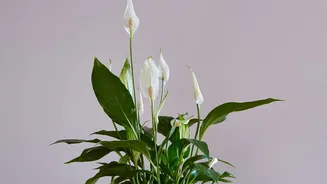
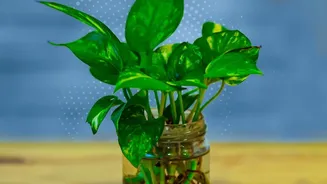
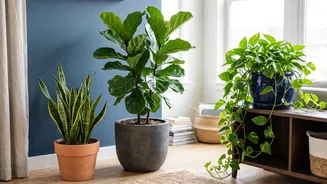
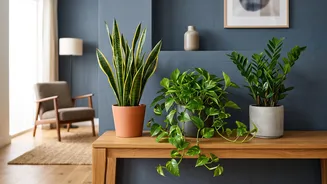
Building confidence is key, so start your indoor gardening journey with plants that are known for their resilience. These species tolerate a wider range of conditions and can bounce back from beginner mistakes. The Snake Plant (Sansevieria) is nearly indestructible, tolerating low light and infrequent watering. The ZZ Plant (Zamioculcas zamiifolia) is another excellent choice, as it thrives on neglect and can survive in very low light conditions. Pothos (Epipremnum aureum), often called Money Plant in India, is a fast-growing vine that will clearly droop when it needs water and perks right back up after a drink, providing clear feedback. Other great options include the Spider Plant, Peace Lily, and Rubber Plant. Starting with two or three of these easy-care plants can help you learn without the stress.
Learn to Read the Signs
Your plants will tell you what they need; you just have to learn their language. Yellowing leaves can be a sign of overwatering, while brown, crispy edges often indicate under-watering or low humidity. If your plant is leaning heavily in one direction, it is stretching toward its light source and needs to be moved to a brighter spot or rotated regularly. Don't panic at the sight of a single yellow leaf at the base of the plant; this is often just part of the natural life cycle, as the plant sheds old foliage to make way for new growth. Keeping the leaves clean by wiping them with a damp cloth not only keeps them looking good but also helps the plant breathe and absorb light more efficiently. Observing your plants for a few minutes each week is the best way to catch small problems before they become big ones.