



The Understated Appeal of Kathal
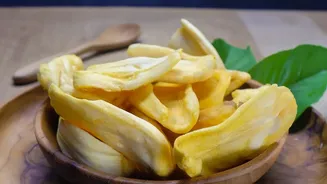
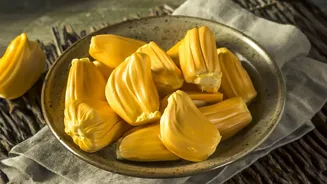
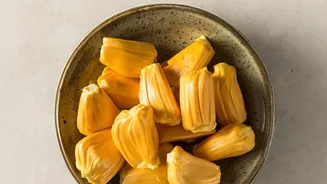
Known as kathal in Hindi, this large, spiky fruit is a staple across South and Southeast Asia. When unripe, its texture is dense and fibrous, often compared to meat, making it a popular ingredient in vegetarian cooking. For generations, Indian kitchens
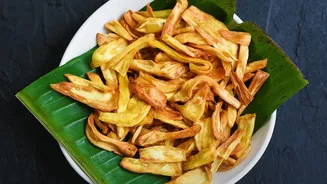
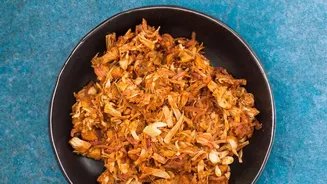
have turned raw jackfruit into curries, biryanis, pickles, and stir-fries. It's valued for its ability to absorb spices and its satisfying bite. However, it’s often seen as a simple, seasonal vegetable rather than the star of a celebratory meal. The process of preparing it can be messy, involving a sticky sap that requires oiling one's hands and knife, which sometimes deters home cooks. Despite this, its versatility is undeniable, enjoyed in everything from rich curries to simple stir-fries.
The Parsi Culinary Philosophy
Parsi cuisine is a unique blend of Persian heritage and Gujarati influences. While famously known for its meat and egg dishes like Sali Boti and Patra ni Machi, Parsi vegetarian food holds its own with a distinct sweet, sour, and spicy flavour profile. Dishes like Lagan nu Stew, a sweet and sour mixed vegetable medley often served at weddings, showcase the community's flair for balancing complex flavours. Parsi cooking doesn’t shy away from using vegetables, but often elevates them. The community has a tradition of combining vegetables with lentils or meat, but their standalone vegetarian preparations are crafted with equal care, often using a characteristic masala base and a touch of sweetness from jaggery or sourness from vinegar or tamarind.
Deconstructing the Parsi Kathal Korma
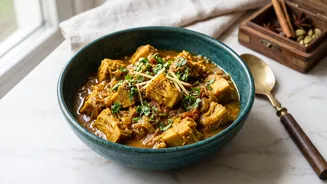
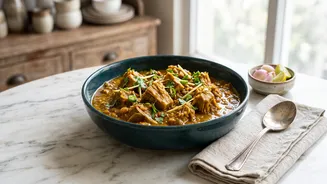
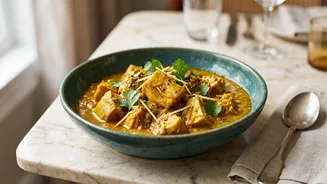
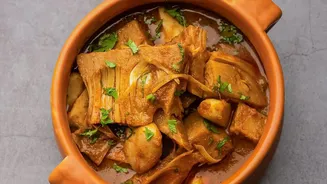
The dish that truly elevates jackfruit from a simple vegetable to a showstopper is the Parsi-style Kathal Korma. A recipe reportedly found in a Parsi Women's Club cookbook from 1983 showcases this transformation perfectly. Unlike a simple 'sabzi', this dish treats the kathal with the reverence usually reserved for meat. The process begins by frying the jackfruit pieces until they gain colour and texture. The magic lies in the gravy: a rich, velvety base made from ground poppy seeds and nuts like chironji or cashews, blended with beaten curd. Whole spices like cinnamon, cardamom, and cloves are sizzled in ghee, followed by onions and ginger-garlic paste, creating a deeply aromatic foundation. The fried kathal is then slow-cooked in this luxurious korma base, allowing it to absorb all the flavours and become tender while retaining a satisfying, fibrous bite.
More Than Just a Recipe
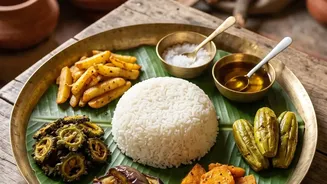
This preparation turns kathal into a 'mock meat' that could satisfy even a dedicated non-vegetarian, not by imitation, but by celebrating the ingredient's inherent qualities. The creamy, nutty gravy and fragrant spices provide a richness that makes it a perfect centrepiece for a special meal, served alongside rotis or rice. The existence of such a recipe within community cookbooks highlights the role of social clubs and home cooks in preserving and perfecting culinary traditions. It’s a testament to the ingenuity of a cuisine that finds ways to make every ingredient shine. This isn't just about replacing meat; it's about creating a vegetarian dish so flavourful and texturally interesting that it commands the same respect and attention on the dining table.