






What Exactly Is a Probiotic Soda?
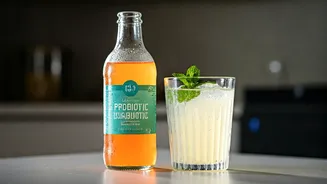
First, let's clear up some terminology. While they're often lumped together, most of the popular new-wave sodas are actually prebiotic, not probiotic. Brands like Olipop and Health-Ade Pop focus on prebiotics—primarily plant fibers like chicory root,
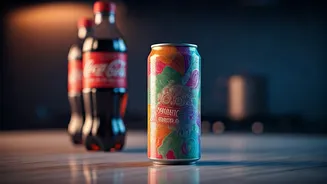
Jerusalem artichoke, and cassava root. These fibers act as food for the good bacteria already living in your gut. On the other hand, brands like Poppi use a small amount of apple cider vinegar, which contains probiotics in its unpasteurized form (the “mother”), though the quantity in a single can is relatively small. The main selling point is what they don’t have: a 12-ounce can of classic Coca-Cola packs 39 grams of sugar, while an Olipop has between 2 to 5 grams. Instead of high-fructose corn syrup, they use natural sweeteners like stevia, monk fruit, and small amounts of real fruit juice to create familiar flavors like Vintage Cola, Root Beer, and Strawberry Vanilla.
The Gut Health Gold Rush
So why the sudden explosion? This trend sits at the perfect intersection of several cultural shifts. Americans are more health-conscious than ever, with a growing awareness of the negative effects of excessive sugar. The term “gut health” has entered the mainstream lexicon, linked to everything from immunity and mood to skin clarity. These drinks offer a tantalizingly simple solution: what if you could improve your health by simply swapping your afternoon Coke for something that tastes almost as good and comes with benefits? The marketing is also brilliant. With their pastel palettes and minimalist design, these cans are tailor-made for Instagram feeds, transforming a beverage into a wellness lifestyle accessory. They represent a guilt-free indulgence, a way to have your soda and drink it too, all while signaling a commitment to health.
Are They Actually Good for You?
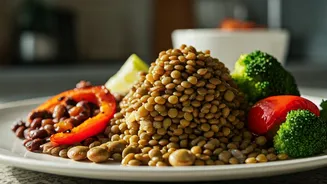
This is the million-dollar question. According to most registered dietitians, the answer is a qualified “yes, they’re better.” If your choice is between a regular soda and a prebiotic one, the low-sugar, high-fiber option is the clear winner. A single can of Olipop, for example, contains nine grams of fiber, which is about a third of the daily recommended intake for women. This is a significant boost, especially for the many Americans who don't get enough fiber. However, no single product is a magic bullet for gut health. Nutrition experts are quick to point out that you can't sip your way to a healthy microbiome. A diet rich in a variety of whole foods—fruits, vegetables, legumes, and whole grains—is far more effective than relying on a processed beverage. Furthermore, for some people, a sudden influx of specific fibers like inulin can cause digestive discomfort, like gas and bloating.
The Fine Print: Cost and Caveats
Before you replace your entire fridge with these colorful cans, there are a few practical considerations. The most obvious is the price. A single can of a prebiotic soda typically costs between $2.50 and $3.50, making it a premium product compared to traditional sodas or even sparkling waters like LaCroix. A daily habit could quickly add up to over $100 a month. It’s also crucial to manage expectations. These drinks are “better for you,” not necessarily “good for you” in the way that water or a green smoothie is. They are still a processed beverage and should be viewed as a healthier treat or a stepping stone for people trying to kick a serious soda addiction. The goal shouldn’t be to add a new daily dependency, but rather to make a smarter choice when the craving for something fizzy and sweet strikes.