




Why We Soak Rice
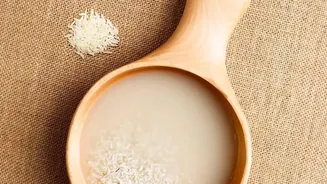
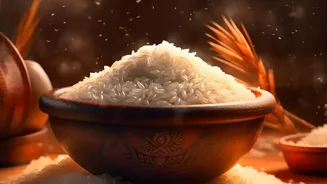
Soaking rice before cooking isn't just a tradition; it's rooted in science and delivers several tangible benefits. Firstly, it helps to hydrate the grains. This pre-hydration softens the rice, allowing it to cook more evenly and in less time. For aromatic
varieties like basmati, a shorter cooking time means preserving more of its delicate fragrance. Secondly, soaking can improve digestibility. Grains contain phytic acid, an anti-nutrient that can hinder the body's absorption of minerals like iron and zinc. Soaking helps break down this compound, making the rice gentler on your stomach and its nutrients more available. Finally, a good soak and rinse can help remove surface impurities, excess starch that causes stickiness, and even reduce levels of naturally occurring contaminants like arsenic.
The Trouble with Over-Soaking
While soaking is beneficial, more is not always better. Leaving rice in water for too long, especially at room temperature, can lead to problems. The most common issue is a mushy, broken texture, as the grains become waterlogged and lose their structural integrity. For delicate white rice, an overnight soak is often excessive. Extended soaking can also initiate fermentation, where naturally present yeasts and bacteria begin to break down the sugars in the rice. This can impart a sour, undesirable flavour to your final dish. While some traditional fermented rice dishes exist, it's not the goal when you're simply aiming for a fluffy pilau or a bowl of steamed rice. There's also a risk of bacterial growth, particularly with uncooked rice which can contain spores of Bacillus cereus. Proper soaking in the refrigerator for extended periods can mitigate this, but it highlights the need for a thoughtful approach rather than a blanket overnight rule.
A Cook's Guide to Soaking Rice
The ideal soaking time depends entirely on the type of rice you're using, specifically its bran layer and starch content. Think of it as a spectrum: the more intact the bran (as in brown rice), the longer the soak required to penetrate the grain. Here's a practical guide for common varieties found in Indian kitchens.
Long-Grain White Rice (Basmati, Jasmine)
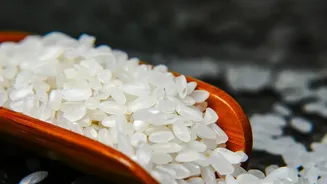
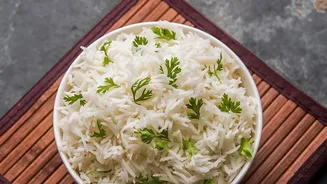
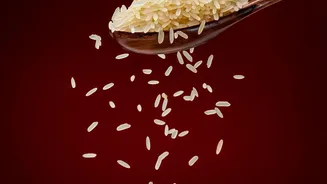
These are the divas of the rice world—delicate and aromatic. Their bran has been polished away, so they hydrate quickly. Soaking for just 20-40 minutes is ideal. This is enough time to allow the grains to absorb water, ensuring they elongate beautifully and cook into separate, fluffy strands rather than a sticky clump. Soaking longer than a few hours isn't necessary and can lead to broken grains. Always rinse these varieties until the water runs clear before soaking to remove excess surface starch.
Short & Medium-Grain White Rice (Sona Masuri, Ponni)
These everyday workhorse rices are a bit sturdier than basmati. They benefit from a soak of about 30 minutes to an hour. This helps soften the grains for a more even cook, which is crucial for dishes where the rice is a staple component. Some sources suggest a soak of up to two hours can be beneficial for white rice in general, but starting with a shorter window is a safe bet. For specific varieties like Thooyamalli, a one-hour soak is recommended.
Parboiled Rice (Sella Basmati, Idli Rice)
Parboiled rice has been partially boiled in the husk, which gelatinises the starch and drives nutrients from the bran into the grain. This process makes the grain harder. As a result, it needs a longer soak to properly hydrate. For sella basmati, plan for at least an hour. For Idli rice, which needs to be ground into a batter, a longer soak of 4-6 hours is standard to ensure it breaks down smoothly without overheating the grinder.
Whole Grain Rice (Brown, Red, Black)
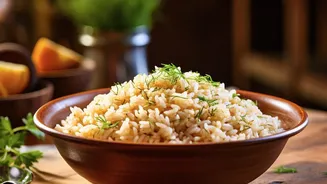
This is where a long soak becomes essential. These varieties retain their tough, fibrous outer bran layer, which acts as a barrier to water. Without adequate soaking, they can remain tough and chewy even after extensive cooking. For brown rice, a minimum soak of 6-8 hours, or even overnight, is highly recommended. This significantly reduces cooking time—from 45 minutes down to about 20—and makes the grain much more tender and digestible. For certain indigenous red rice varieties, soaking in hot water for a couple of hours or overnight is also a common practice.