




The Dawn of a New Coffee Culture
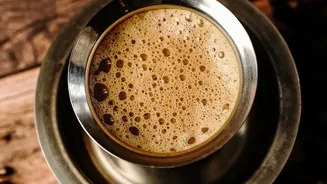
While tea has long been India's beverage of choice, coffee is rapidly transitioning from a niche, largely South Indian drink to a national lifestyle statement. This shift is most pronounced among Millennials and Gen Z, who view coffee as more than just
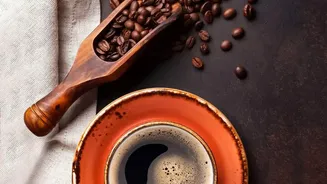
a morning caffeine fix. For them, it represents an experience, a form of self-expression, and a social ritual. The once-dominant instant coffee, prized for its speed and affordability, is now competing with a burgeoning café culture and a growing interest in high-quality, freshly brewed coffee at home. This change is driven by a confluence of factors, including rising disposable incomes, global exposure through travel and social media, and a desire for more authentic and premium products.
What Makes a Coffee 'Specialty'?
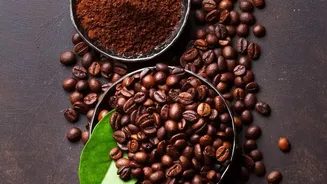
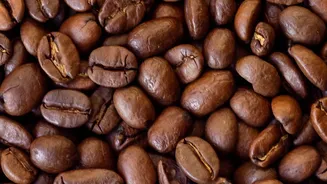
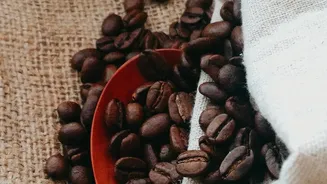
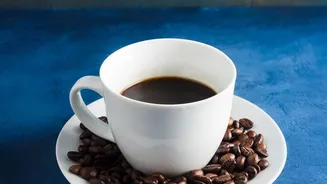
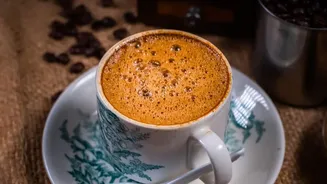
The term 'specialty coffee' signifies a leap in quality from mass-market products. It refers to coffee made from high-grade beans, typically the Arabica variety, which are grown in specific microclimates that impart unique flavour profiles. Unlike blended commercial coffees, specialty coffee is often 'single-origin,' meaning it is traceable to a particular estate or region. This focus on provenance is key; consumers are increasingly interested in the story behind their cup, from the farm's altitude to the specific processing method used—be it natural, washed, or more experimental anaerobic fermentation. Brewing methods are also part of the appeal, with manual techniques like pour-over, AeroPress, and French press gaining popularity over simply stirring powder into hot water.
Spotlighting India's Coffee Terroir
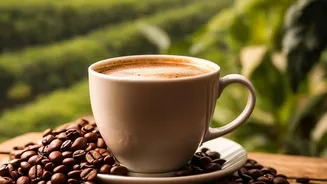
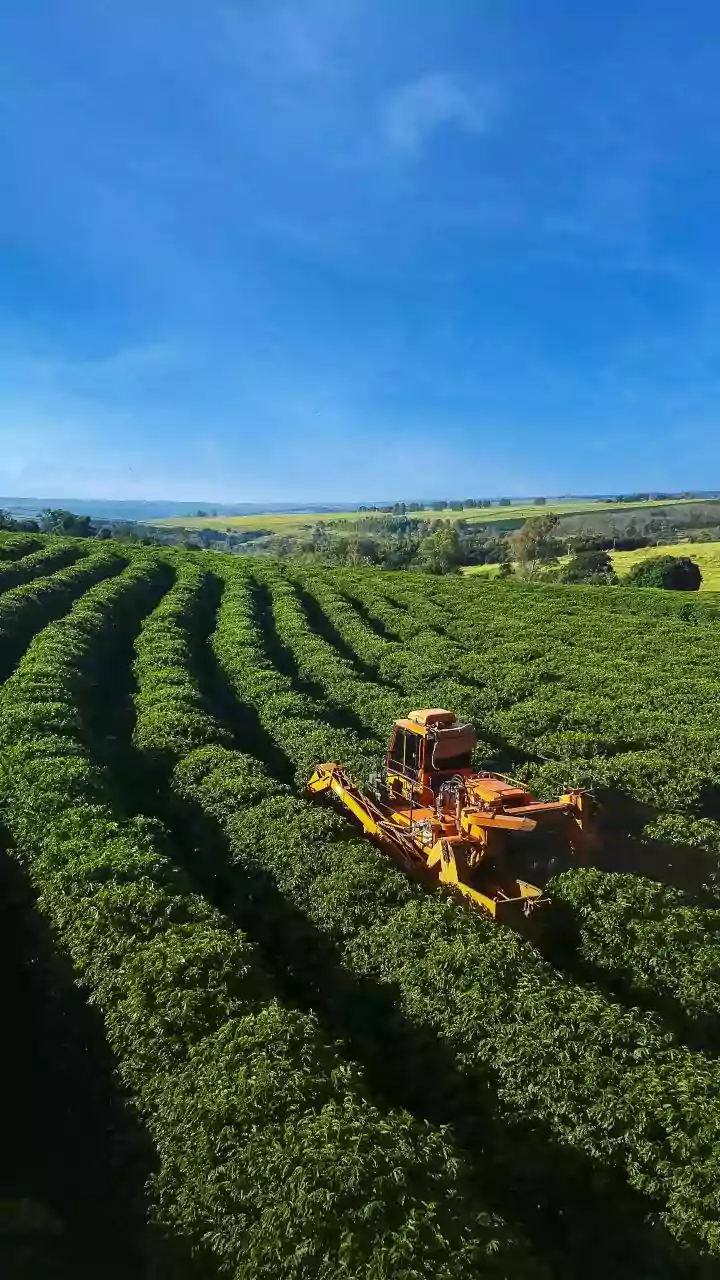
For years, a majority of India's best coffee beans were exported. Now, a 'premiumisation' wave means more high-quality beans are finding appreciation within the domestic market. This has put a spotlight on India's own coffee-growing regions, often called its 'terroir'. The misty highlands of states like Karnataka, Kerala, and Tamil Nadu, which produce the vast majority of the country's coffee, are becoming recognised for their unique flavour characteristics. Estates in regions like Chikmagalur, Coorg, and Yercaud are gaining brand recognition, with tasting notes that range from jamun plum and ginger to chocolate and cinnamon. This celebration of local origin taps into a sense of pride and allows consumers to explore the diverse flavours grown in their own backyard.
The Café as a 'Third Place'
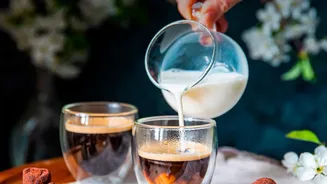
The explosion of café chains and independent coffee shops across metropolitan and even Tier-II cities is central to this trend. For young professionals and students, cafés have become vital 'third places'—a social hub between home and work where they can connect, work, and relax. This environment has transformed coffee from a functional beverage into a social lubricant and a symbol of a modern, aspirational lifestyle. The aesthetic appeal of cafés and latte art also plays a significant role, providing shareable moments for social media that further propel the culture forward.
From Niche Trend to Growing Market
While instant coffee still dominates the market in terms of sheer volume, the growth trajectory for specialty coffee is steep. The Indian specialty coffee market is projected to grow significantly, with some forecasts predicting a compound annual growth rate (CAGR) of over 13%. This growth is fueled by a consumer base that is more educated about coffee and willing to pay a premium for quality and ethical sourcing. The rise of direct-to-consumer subscription models and the increasing availability of home brewing equipment are also making specialty coffee more accessible than ever, moving it from the café into the kitchen.