

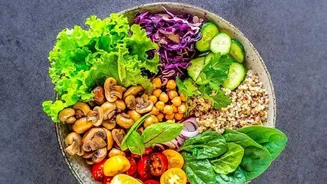
From Guilty Pleasure to Nutritional Choice
Snacking in India is no longer a simple act of indulgence; it has transformed into a conscious nutritional decision. A growing awareness around health and wellness, amplified by the increasing prevalence of lifestyle diseases, has fundamentally altered
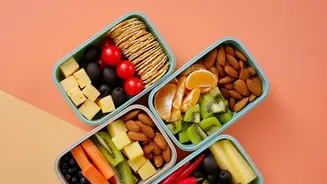
consumer behaviour. Many Indians now view snacking not as a guilty pleasure but as an opportunity to fuel their bodies between meals. This mindset shift is driving one of the biggest transformations in the nation's food industry. Consumers are actively seeking out snacks that offer functional benefits, such as a boost of energy, improved mood, or a high dose of protein. The market for healthy snacks in India is experiencing rapid growth, reflecting a clear preference for nutritious, organic, and wholesome options over traditional high-calorie, processed foods.
The New Anatomy of a Snack
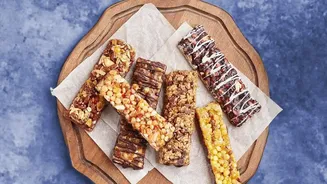
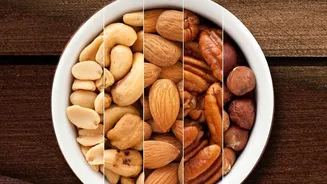
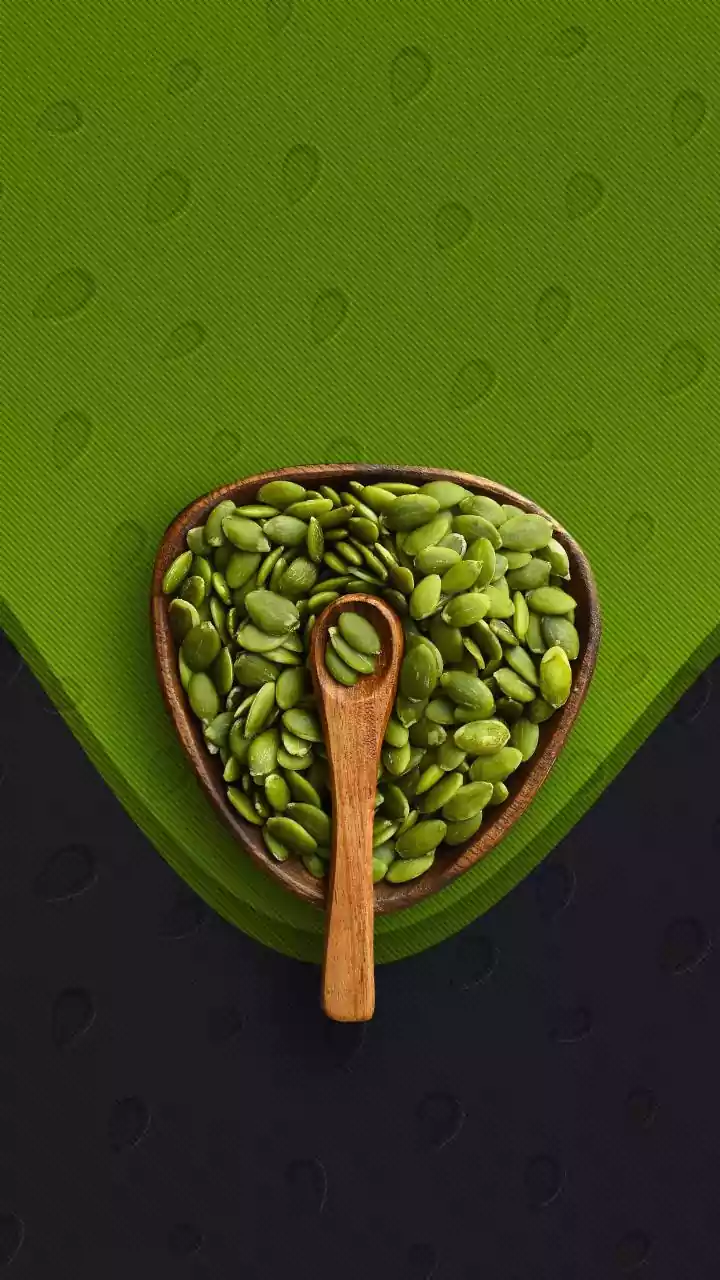
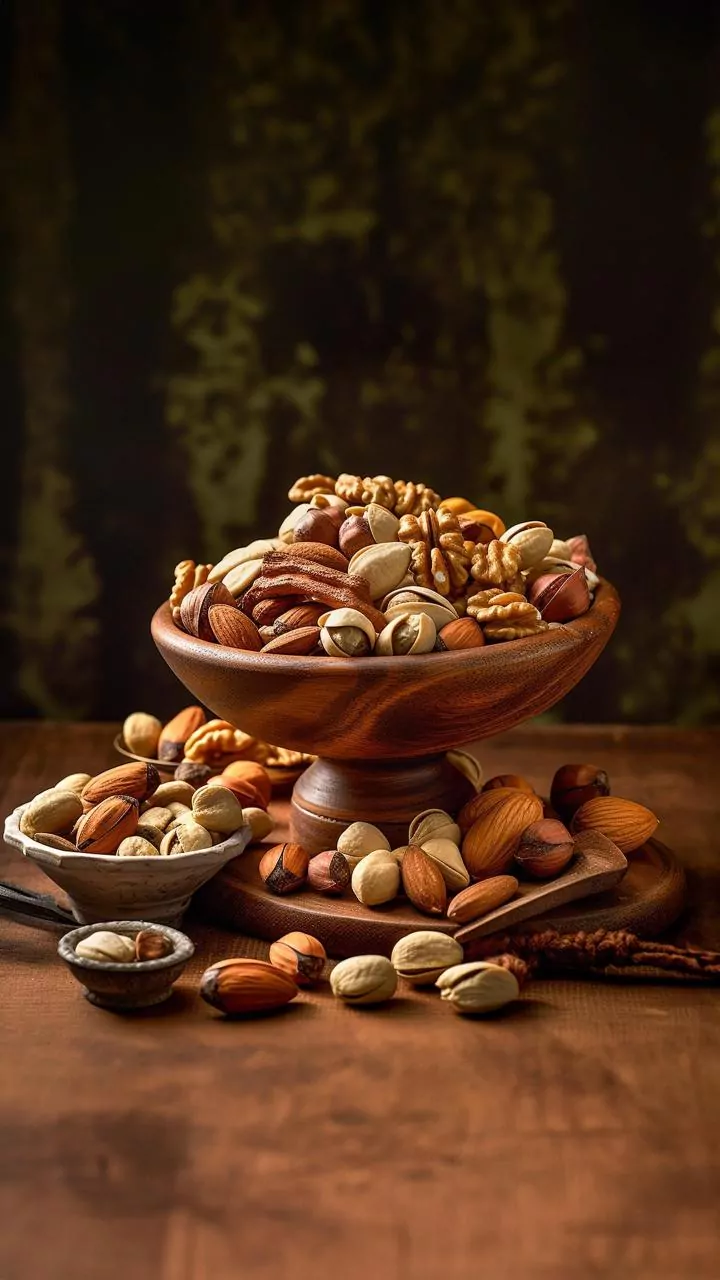
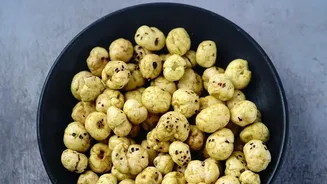
So, what does this new generation of snacks look like? The focus is on clean labels, nutrient density, and innovative preparation methods. Millets like ragi, jowar, and bajra have moved from traditional kitchens to mainstream packaged snacks in the form of chips, puffs, and crackers. Roasted fox nuts (makhana) have transitioned from a fasting food to a daily staple, often replacing fried namkeens and potato chips. Protein is now a mainstream requirement, with a survey finding that 86% of respondents consider it an important factor when choosing a snack. This has fueled the popularity of protein bars, Greek yoghurt, nut and seed mixes, and even protein-fortified versions of traditional foods. Preparation methods are also evolving, with 'baked not fried' and 'air-popped' becoming key selling points.
What's Driving the Change?
Several factors are converging to fuel this nutritional shift. Firstly, increased access to information via the internet and social media has made consumers more aware of the link between diet and health. Secondly, busy urban lifestyles demand convenient, on-the-go food options that don't compromise on health. This has created a perfect storm for innovation, leading to an explosion of direct-to-consumer (D2C) brands. Companies like The Whole Truth, Yoga Bar (now part of ITC), Slurrp Farm, and Open Secret are disrupting the market with products that promise transparency, clean ingredients, and modern branding. The rise of quick commerce has also played a crucial role, allowing these smaller brands to compete with established giants and making healthy options more accessible than ever.
Tradition, Reimagined
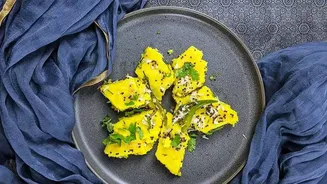
This movement isn't about abandoning India's rich culinary heritage. Instead, many brands are finding success by giving traditional snacks a healthy makeover. Imagine murukku made with rice bran oil, chakli crafted from baked millets, or sev made from chickpeas and fried in avocado oil. Even the world of Indian sweets (mithai) is being reimagined, with new-age ventures creating artisanal products using natural sweeteners, premium ingredients, and innovative flavour combinations like coffee rasgulla. This approach respects nostalgia while catering to the modern palate, proving that traditional flavours and healthy eating can coexist. The goal is not to replace beloved classics but to offer versions that fit a more health-conscious lifestyle.
Reading Between the Labels
As the market floods with products labelled 'healthy', 'natural', and 'organic', the modern snacker has also become a more discerning consumer. Reading the fine print is becoming a common habit. Shoppers are actively looking for clear ingredient lists, checking for hidden sugars, and favouring products with 'no preservatives' and 'all-natural ingredients' claims. This demand for transparency is pushing brands to be more honest about their formulations. While the shift is overwhelmingly positive, it’s a reminder for consumers to look beyond front-of-pack marketing claims and focus on the nutritional information to make truly informed choices about what they are eating every day.