





A Tale of Two Stages
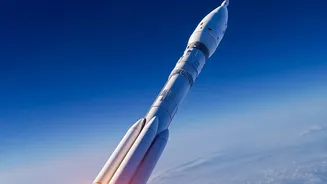
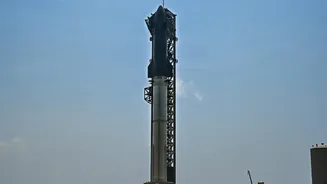
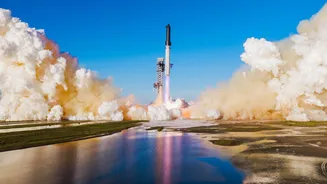
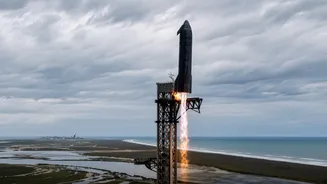
The mission, called Starship Flight 15, lifted off from SpaceX’s Starbase facility in Texas on the afternoon of Friday, November 13. The goal was ambitious and unprecedented: to launch the world's most powerful rocket, have both its main booster and its upper-stage
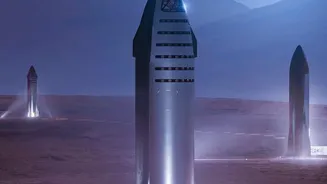
spacecraft return to the launch site, and catch both mid-air using the giant mechanical arms of the launch tower, a system nicknamed 'Mechazilla'. The full stack consists of the Super Heavy booster, which provides the initial thrust, and the Starship spacecraft, which is designed to carry cargo and eventually people into orbit and beyond. This test was planned as the first attempt to recover the entire system in one piece after an orbital flight.
The Booster's Unplanned Splashdown
The first part of the plan did not go as expected. After a successful liftoff and separation from the Starship spacecraft, the Super Heavy booster began its return journey to the launch pad. However, its guidance system detected that the booster was not in the correct position to attempt a safe catch and automatically triggered an abort. SpaceX later noted the booster was also running low on fuel. Instead of being caught by the tower's arms, the massive booster was diverted to a designated splashdown zone in the Gulf of Mexico, where it ended its flight in a fiery explosion upon hitting the water. While a setback, SpaceX has successfully caught Super Heavy boosters on three previous flights, so the technique itself has been validated before.
The 'Holy Grail' of Spaceflight
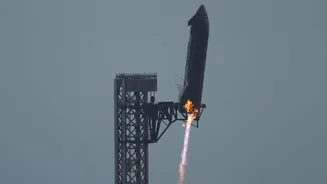
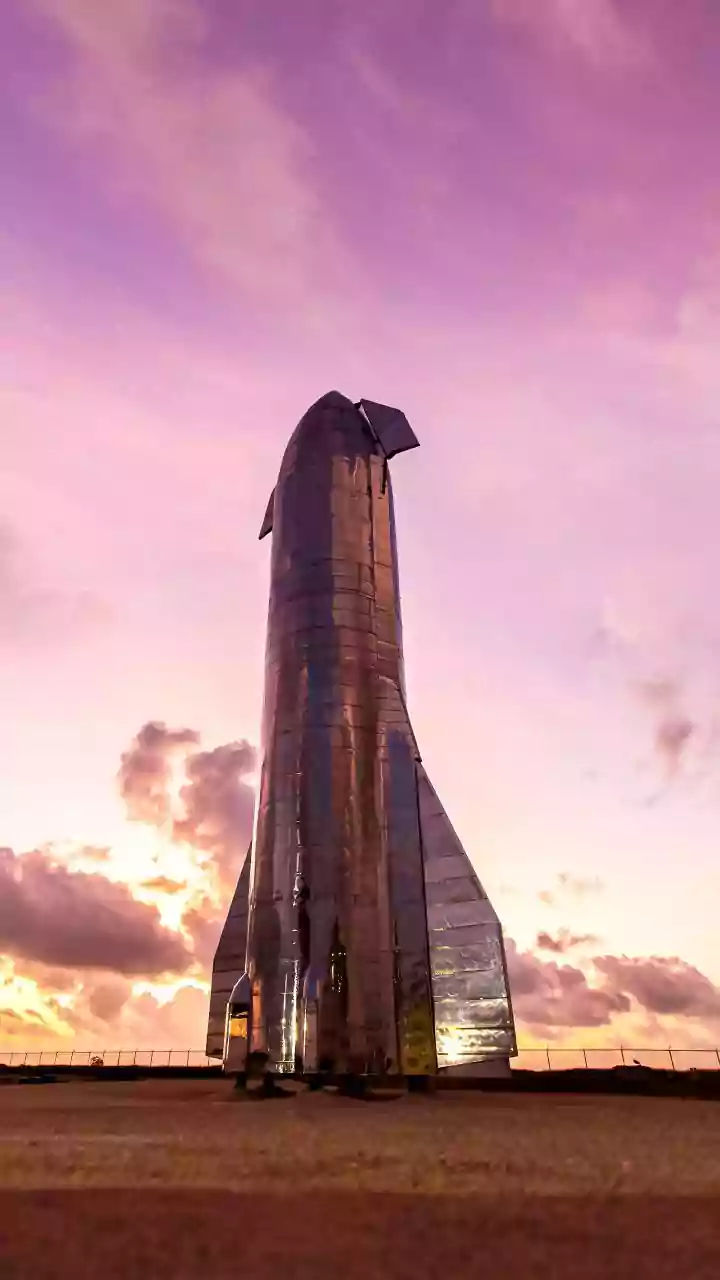
While the booster was lost, the Starship spacecraft (named Ship 42) continued its mission flawlessly. It successfully entered orbit, deployed 26 next-generation Starlink satellites, and spent the next 22.5 hours circling the Earth 14 times. Then came the main event. On Saturday, November 14, the spacecraft performed a de-orbit burn, survived the intense heat of re-entry, and steered itself back to Texas. In a manoeuvre that looked like something out of science fiction, Starship descended vertically towards the launch tower, where the 'chopstick' arms closed around it, securing the vehicle. This marked the first time in history that an orbital-class upper stage has been recovered this way. SpaceX commentator Dan Huot called it 'the holy grail of spaceflight'.
Why Catching a Rocket Is a Game-Changer
The significance of this achievement cannot be overstated. For spaceflight to become cheaper and more routine, like air travel, rockets need to be fully and rapidly reusable. Until now, the upper stages of orbital rockets have been disposable, burning up on re-entry or crashing into the ocean after a single use. By catching the Starship spacecraft, SpaceX has proven that the entire launch system can theoretically be recovered and reflown. This breakthrough is the cornerstone of CEO Elon Musk's vision for reducing the cost of accessing space by orders of magnitude. After inspecting the recovered vehicle, Musk suggested Ship 42 could be ready to fly again with just a few weeks of refurbishment.
The Road to the Moon and Mars
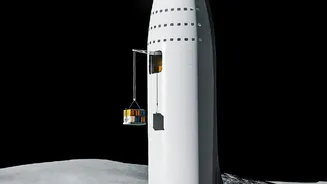
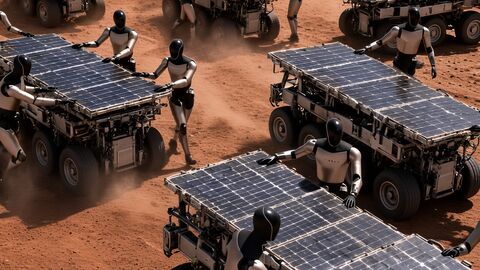
This successful recovery is a critical milestone not just for SpaceX's business, but for its ambitious long-term goals. NASA is relying on Starship to serve as the human landing system for its Artemis program, which aims to return astronauts to the Moon as soon as 2028. The ability to rapidly reuse Starship is essential for the multiple launches required for a lunar mission, including in-orbit refuelling which is yet to be demonstrated. NASA Administrator Jared Isaacman praised the catch as 'almost magic' and a step closer to the Moon. For Musk, the Moon is just a stop along the way. His ultimate goal is to use a fleet of thousands of Starships to build a self-sustaining city on Mars, a vision that depends entirely on the full and rapid reusability demonstrated in this flight.