


The New Era of Portable Power
Not long ago, serious astrophotography was a stationary hobby. It demanded heavy, complex telescopes and mounts permanently installed in backyards or observatories. Today, a 'portable rig' consists of a surprisingly compact and lightweight kit: a high-quality
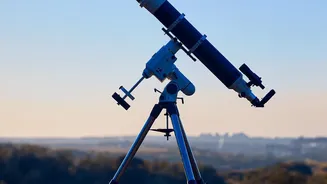
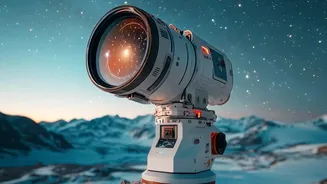
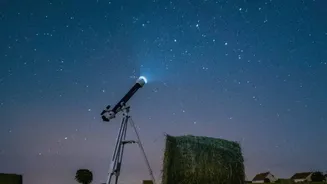
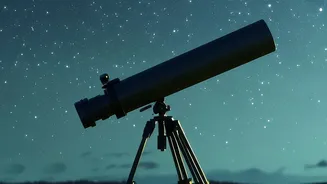
camera, a small telescope or a telephoto lens, and the all-important portable tracking mount. These setups, often weighing less than 10 kilograms, are designed to be broken down and packed into a single case or backpack. This revolution in portability means photographers are no longer tethered to a single location. They can travel by car or even by plane to find the pristine, dark skies essential for capturing faint deep-sky objects.
The Heart of the Rig: Star Trackers
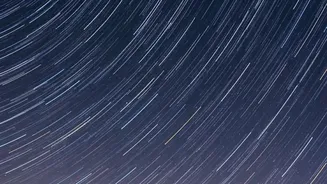
The magic behind these portable setups is a device called a star tracker. At its core, a star tracker is a small, motorized equatorial mount that sits between your tripod and your camera. Its one crucial job is to counteract the Earth's rotation. By rotating your camera at the exact same speed as our planet, but in the opposite direction, it keeps the stars perfectly still in your frame. This allows photographers to use the long exposures—often several minutes at a time—needed to gather the faint light from distant galaxies and nebulae without turning the stars into blurry streaks. Modern trackers, including advanced harmonic drive mounts, are becoming lighter, more precise, and capable of handling small telescopes, not just camera lenses.
Defeating Earth's Rotation with Software
Hardware is only half the story. The other key enabler is sophisticated software, much of it now available on smartphones and laptops. To work its magic, a star tracker must be 'polar aligned,' meaning its axis of rotation has to be pointed precisely at the celestial pole. In the Northern Hemisphere, this means aligning with Polaris, the North Star. What was once a tedious process is now simplified by apps that use your phone’s camera and GPS to guide you to perfect alignment in minutes. Once shooting begins, other programs can 'autoguide' the mount by locking onto a single star and sending tiny corrections to the motors, ensuring flawless tracking for incredibly long exposures.
Escaping the City's Glow
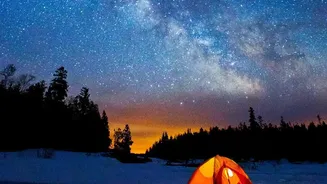
The 'anywhere' in the headline really means 'anywhere dark'. The biggest enemy of astrophotography is light pollution from cities and towns, which washes out the night sky and hides faint celestial objects. A sky rated as Bortle 1 is a pristine, natural dark sky, while a Bortle 9 sky is found in an inner-city core where only the moon and brightest planets are visible. The portability of modern rigs is the solution. Photographers can now easily transport their entire setup to remote national parks or designated dark-sky preserves to escape the orange glow. While some filters can help mitigate light pollution in suburban areas, nothing beats the clarity of a truly dark location for capturing professional-level detail.
Stacking for Stunning Detail
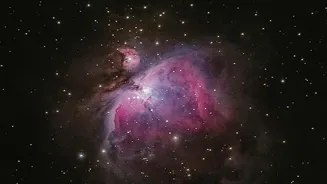
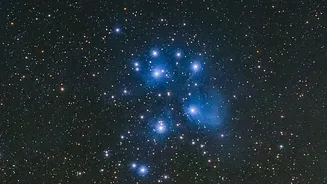
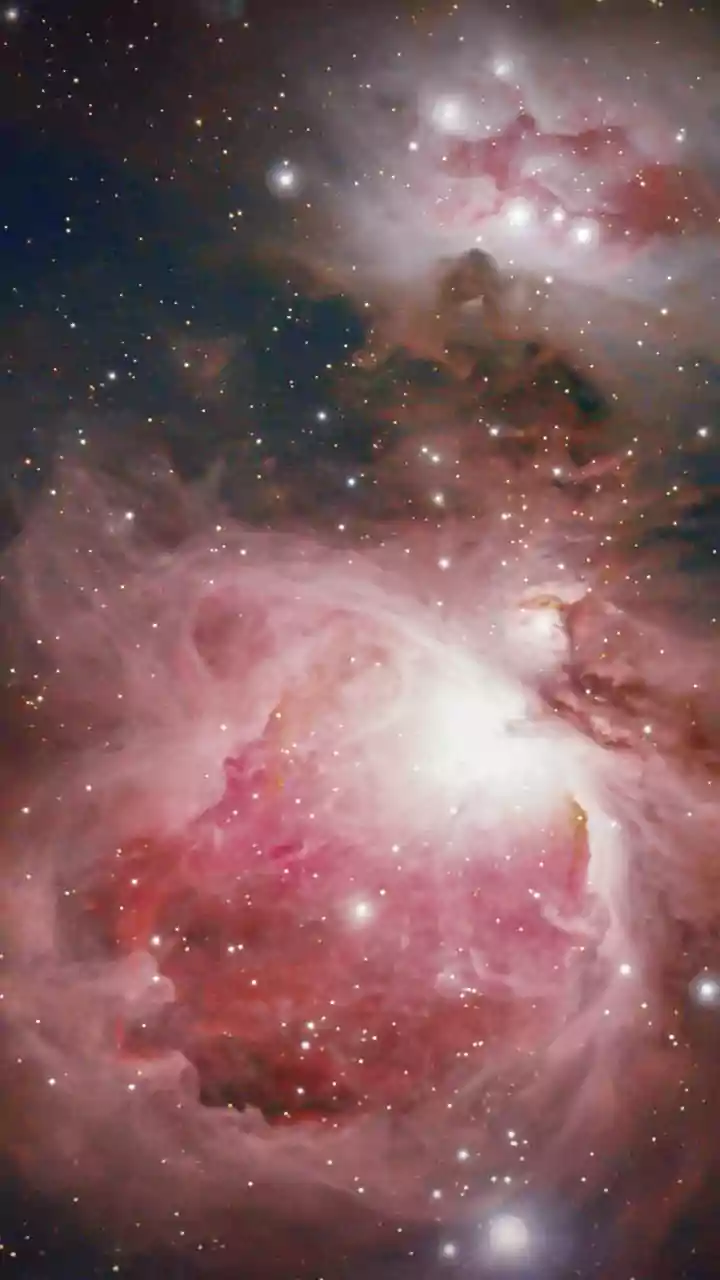
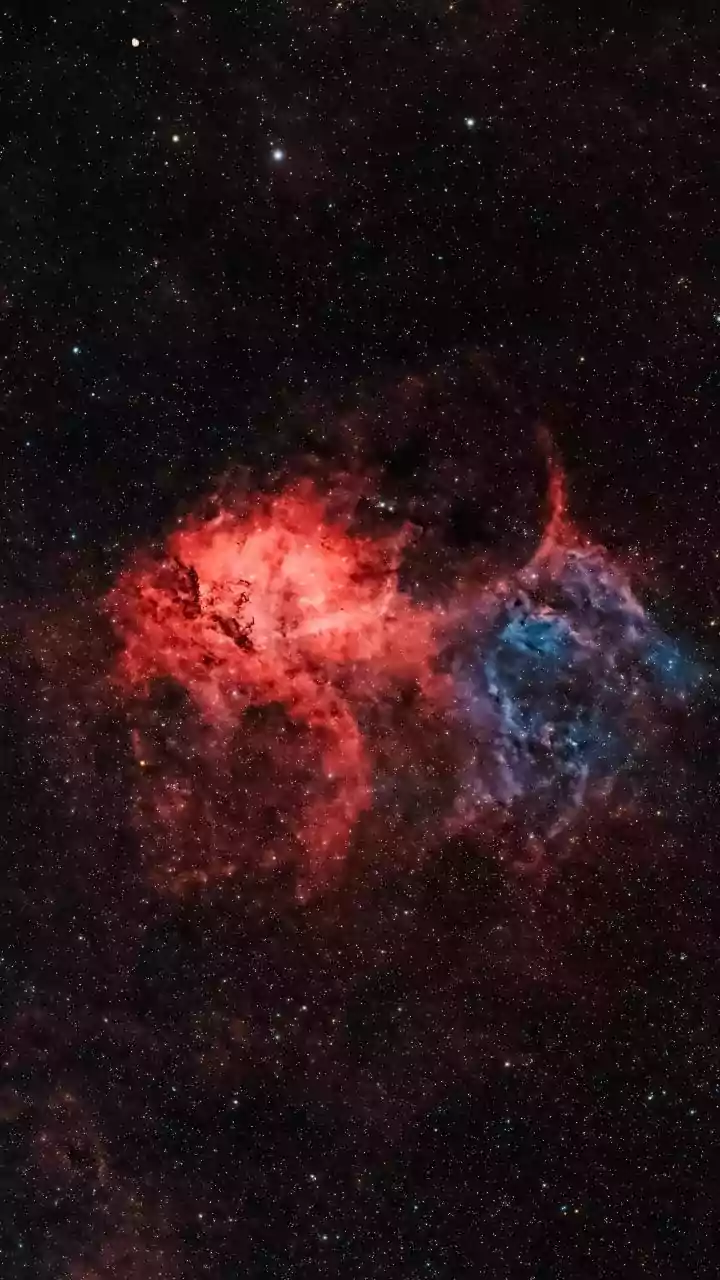
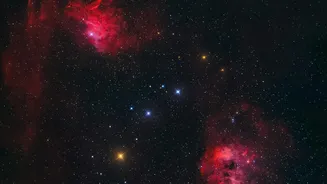
Even with perfect tracking, a single long exposure has limitations due to digital noise from the camera sensor. The final step to a professional-looking image is a process called 'stacking'. This involves taking many individual photos of the same object—sometimes dozens or even hundreds, known as 'light frames'—and combining them using specialized software. Programs like DeepSkyStacker or PixInsight average out the random noise from each shot while adding up the consistent signal (the light from the galaxy or nebula). The result is a single, incredibly clean and detailed image that reveals faint structures and rich colours that would be completely invisible in any single exposure. This software-driven process is as critical as the hardware itself in achieving a professional finish.