






Why Go Low? The Appeal of Simplicity
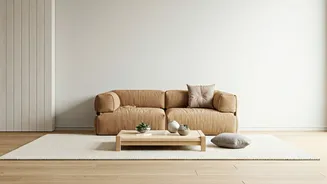
The primary benefit of ditching bulky furniture is the immediate sense of openness. Low-profile seating sits closer to the ground, drawing the eye upward and making ceilings feel higher. This visual trickery is a godsend for smaller Indian apartments,
instantly creating an airy, uncluttered vibe. Beyond aesthetics, this style of seating encourages a different kind of living. It fosters a more relaxed, informal, and connected atmosphere, perfect for intimate conversations, family game nights, or simply lounging with a book. By decluttering your visual field, you also declutter your mind, paving the way for a more serene and mindful home environment. It’s a design choice that impacts not just how your room looks, but how it feels to live in it.
A Nod to Global Tradition
Floor seating isn’t a fleeting trend; it’s a timeless practice rooted in cultures around the world. In Japan, the concept of living closer to the floor is central to traditional homes, exemplified by tatami mats and zaisu—legless chairs that provide back support. This arrangement is believed to foster harmony and mindfulness. Similarly, in many Middle Eastern and North African cultures, vibrant floor cushions and low divans are central to social gatherings, creating a warm and communal setting. By adopting low-profile seating, you’re not just following a modern minimalist trend; you’re tapping into a rich heritage of intentional, grounded living that has been refined over centuries.
Exploring Your Wooden Seating Options
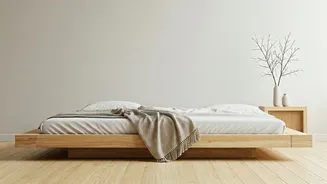
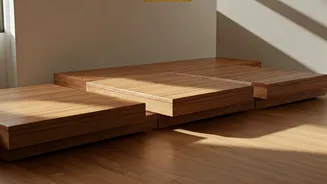
“Wooden floor seating” doesn't mean sitting on a hard plank. The options are diverse and stylish. Consider these popular choices: * **Zaisu-style Chairs:** These are essentially legless chairs with a supportive backrest. They offer the comfort of a chair while maintaining a low profile. Look for simple wooden frames with canvas or cushioned seats. * **Low Benches:** A simple, long wooden bench can serve as seating against a wall, adorned with cushions. It’s versatile, minimalist, and can also double as a low coffee table. * **Platform Seating:** A low wooden platform, just a few inches off the ground, can define a seating area. Top it with a comfortable mattress-style cushion (a gadda) and plenty of pillows for a custom-built daybed look. * **Floor Pallets with Cushions:** Repurposed wooden pallets, sanded and sealed, can create a rustic and affordable base for floor cushions, elevating them slightly off the ground.
Ensuring Comfort Is King
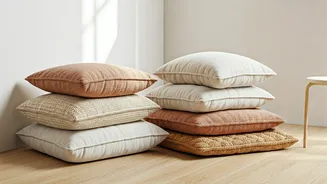
The biggest hesitation for most people is comfort. Will my back hurt? Can my older relatives sit comfortably? These are valid concerns that can be addressed with smart design. The key is layering. Don't skimp on high-quality cushions. A combination of a firm base cushion and softer decorative pillows provides both support and style. Use plush rugs, like a thick dhurrie or a wool carpet, to define the seating area and add another layer of softness underfoot. For guests who may be uncomfortable with floor seating, keep a few stylish, foldable chairs or comfortable pouffes on hand. The goal is not to create an obstacle course but a flexible, inviting space that adapts to your needs.
How to Make the Transition
You don't need to get rid of all your furniture overnight. Start small. Designate one corner of your living room or a bedroom as a low-seating zone. A low bench with some cushions or a pair of floor chairs can create a perfect reading nook. Live with it for a while and see how you feel. Another approach is to mix heights. You can pair a standard-height sofa with low pouffes and floor cushions. This creates a dynamic, layered look that is both stylish and practical. As you get more comfortable, you can gradually phase out the bulkier pieces. This gradual transition allows you to find the right balance for your lifestyle and ensures the change feels natural rather than drastic.