




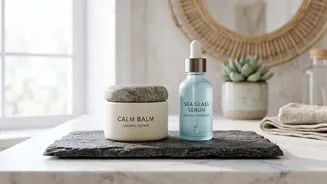
As winter arrives, so does the familiar battle with dry, tight, and flaky skin. The secret to winning this fight isn't just about what you apply, but when. The moments after you step out of the shower are golden for locking in hydration.
The Golden Window for Hydration
Dermatologists
agree that one of the most effective skincare habits is to moisturise immediately after bathing. There's a 'golden window' of just a few minutes—ideally within three to five minutes—while your skin is still damp. When you wash, the water on your skin's surface begins to evaporate quickly, and it can take your skin's natural moisture with it. Applying a moisturiser to damp skin helps to trap that surface water, sealing it into the outer layer of your skin before it has a chance to disappear. This simple act of timing transforms your moisturiser from a simple lotion into a powerful barrier that prevents what's known as transepidermal water loss, a key culprit behind winter dryness.
Your Step-by-Step Moisturising Ritual
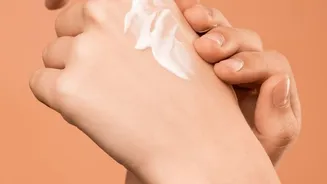
To make the most of this technique, a few simple steps can make all the difference. First, after your shower or bath, gently pat your skin dry with a soft towel instead of rubbing vigorously. Rubbing can cause friction and irritation, while patting leaves behind the perfect amount of moisture. Next, apply a generous amount of your chosen moisturiser. Use gentle, upward strokes for your face and neck, and massage the lotion into your body, paying special attention to notoriously dry areas like elbows, knees, and heels. Allow the product a minute to absorb before getting dressed. Making this a consistent daily routine is crucial for building and maintaining a strong, resilient skin barrier throughout the colder months.
Choosing Your Winter Skin Armour
Not all moisturisers are created equal, especially when it comes to harsh winter conditions. Your lightweight summer lotion might not be enough. For winter, look for richer creams or ointments. Pay attention to the ingredients list for a powerful combination of humectants, emollients, and occlusives. Humectants like hyaluronic acid and glycerin are 'water magnets' that pull moisture into the skin. Emollients, such as shea butter and natural oils, help soften the skin. Finally, occlusives like petrolatum and ceramides create a protective seal to lock that moisture in. Ceramides are particularly vital as they are natural lipids that help repair and strengthen the skin's barrier, which is often compromised in cold, dry weather.
Common Mistakes That Worsen Dryness
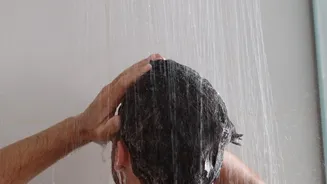
Even with the right moisturising technique, certain habits can sabotage your efforts. Long, steaming hot showers feel comforting but are a major cause of dry skin. Hot water strips your skin of its natural protective oils, leaving it vulnerable to moisture loss. Opt for shorter, lukewarm showers instead. Using harsh, stripping soaps or over-exfoliating can also damage your skin barrier, leading to increased dryness and irritation. During winter, switch to a gentle, hydrating cleanser and reduce exfoliation to about once a week. And don't forget sun protection; UV rays are present yearround and can still damage your skin on cold, cloudy days.
Beyond the Bathroom Routine
While your post shower routine is the cornerstone of winter skin care, other lifestyle factors play a supportive role. Using a humidifier in your home, especially in your bedroom, can add much needed moisture back into the dry, heated air. Staying hydrated by drinking plenty of water throughout the day also supports skin health from the inside out. Your lips and hands are especially vulnerable to the cold because the skin is thinner, so don't neglect them. Apply a hydrating lip balm regularly and use hand cream after every wash to keep them protected and comfortable.