


What is a Coronal Mass Ejection?
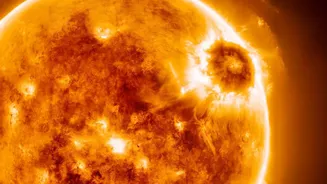
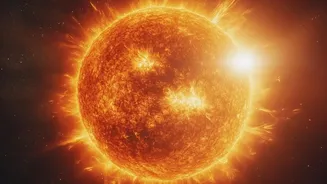
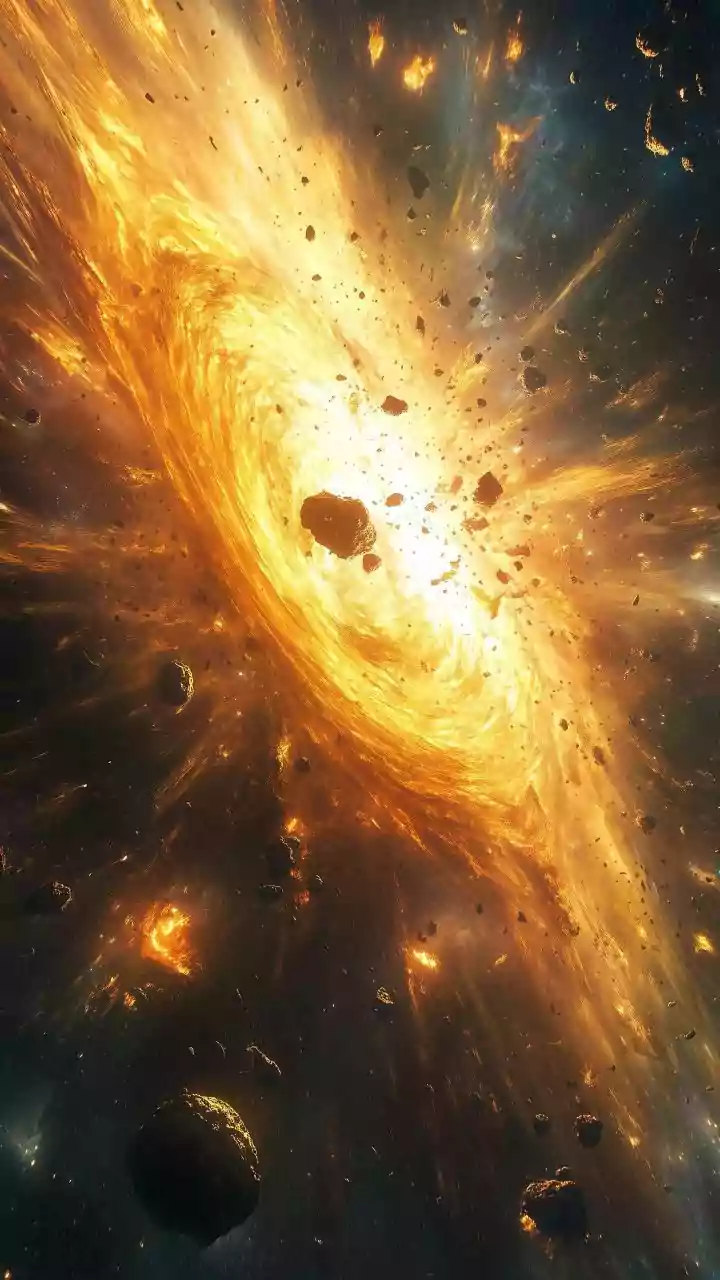
Imagine the Sun as a simmering pot of magnetic energy. A Coronal Mass Ejection, or CME, is what happens when the lid blows off. These are colossal eruptions that hurl billions of tonnes of plasma and magnetic fields from the Sun's outer atmosphere, the corona,
into space. These clouds of charged particles can travel at incredible speeds, from 250 to nearly 3,000 kilometres per second. While many miss Earth entirely, the ones that are aimed in our direction pose a significant threat to our space-based technology. They are one of the primary drivers of what we call "space weather."
The Twofold Danger to Satellites
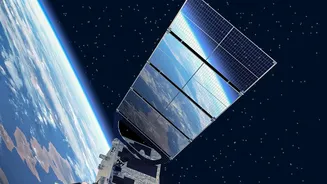
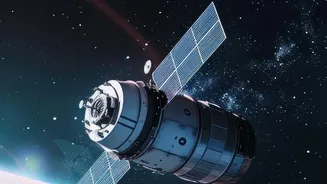
For satellites in Low Earth Orbit (LEO), typically flying a few hundred kilometres up, a CME brings two distinct dangers. The first is a direct hit from high-energy particles. These particles can bombard a satellite's sensitive electronics, causing malfunctions, phantom commands, or permanent damage in what are known as single-event upsets. The second, more subtle danger is atmospheric drag. When a CME strikes Earth's magnetic field, it deposits a huge amount of energy into our upper atmosphere. This energy causes the atmosphere to heat up and expand, increasing the density of the air even at high altitudes. For LEO satellites, flying through this suddenly denser atmosphere is like hitting invisible molasses; the increased drag can cause their orbits to decay, making them lose altitude much faster than normal.
An Early Warning System in Space
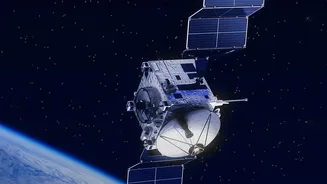
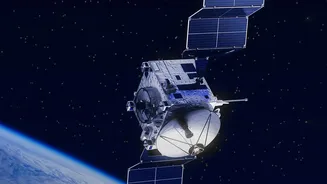
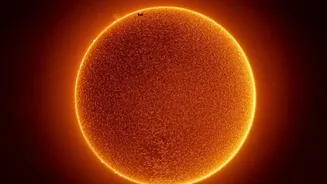
You can't defend against a threat you can't see coming. This is why space agencies like NASA and NOAA operate a fleet of solar observatories. Satellites like the Solar and Heliospheric Observatory (SOHO) and the Deep Space Climate Observatory (DSCOVR) are positioned between the Sun and Earth. Using instruments called coronagraphs, which block the Sun's blinding glare, they can directly image CMEs as they erupt from the corona. By analysing the size, speed, and direction of a CME, scientists at space weather prediction centres can determine if it's heading for Earth. This gives us a crucial warning window, typically ranging from 15 hours to several days, depending on the speed of the ejection.
From Solar Data to Satellite Defence
Once an Earth-directed CME is identified, the clock starts ticking. Forecasters at centres like NOAA's Space Weather Prediction Center (SWPC) feed the observational data into complex models to predict its arrival time and potential intensity. They then issue alerts and warnings to government agencies, infrastructure operators, and commercial satellite companies. This information allows satellite operators to assess the risk to their specific assets. A satellite's altitude, design, and function all play a role in its vulnerability. The forecast gives them the critical time needed to prepare and execute defensive manoeuvres.
Taking Cover From the Storm
"Shielding" a satellite isn't about raising a physical barrier. It's a series of strategic operational procedures designed to minimise risk. The most common action is to put the satellite into a 'safe mode'. This involves shutting down all non-essential and sensitive systems, such as science instruments, leaving only the core functions for power, communication, and attitude control active. Operators might also reorient the spacecraft to present its most protected surface to the incoming storm or to minimise drag by flying 'edge-on' like a sheet of paper. These actions reduce the chance of electrical damage and help the satellite better ride out the effects of increased atmospheric density.
A Cautionary Tale: The Starlink Loss
The stakes are incredibly high, as demonstrated in February 2022. SpaceX launched a batch of 49 new Starlink satellites, but a geomagnetic storm, which was considered minor at the time, struck shortly after. The storm heated the upper atmosphere, increasing the atmospheric drag at the satellites' very low initial deployment altitude by up to 50 percent more than expected. This prevented the newly-launched satellites from raising their orbits. Ultimately, 38 of them were unable to overcome the drag, fell back to Earth, and burned up in the atmosphere. The incident was a stark reminder that even moderate space weather can have multi-million-dollar consequences and highlighted the growing need for even more precise forecasting.