






The Foundation: Kharif Crops and Water
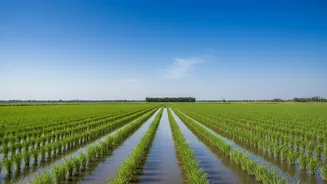
The story begins on the farm. The southwest monsoon, which typically arrives between June and September, provides about 70% of India's annual rainfall. This isn't just about pleasant weather; it's the lifeline for the Kharif or monsoon crops, which are
sown at the beginning of the rains. These crops include absolute staples like rice, maize, pulses, and soybean—the very foundation of the nation's food security. With nearly half of India’s farmland still being rain-fed and lacking extensive irrigation, the timing and distribution of the monsoon are critical. A good, evenly spread monsoon means a bountiful harvest. A poor or erratic one, as seen with the forecast of a 'below normal' monsoon for August and September 2026, can lead to delayed sowing, lower yields, and widespread agricultural distress.
The Ripple Effect on Prices
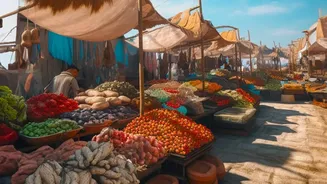
This is where the markets' obsession begins. A weak monsoon immediately signals a future supply crunch. Traders and large-scale buyers don't wait for the harvest to be counted; they react to forecasts and sowing data. The expectation of lower output for key crops can trigger a rapid increase in food prices. We saw a glimpse of this in July 2026, when inflation for items like ginger, garlic, and chicken saw sharp increases. This isn't just about fresh vegetables. Lower production of staples like pulses and cereals can lead to sustained food inflation, which strains household budgets across the country. Since food accounts for a huge portion of the average Indian family's spending, even small price changes have a big impact. A strong monsoon, conversely, signals a healthy supply, which helps keep food prices stable and inflation in check.
From Rural Wallets to Urban Showrooms
The monsoon’s influence extends far beyond the kitchen. Agriculture supports a massive part of India's workforce. A strong harvest puts more money into the hands of farmers and farm labourers. This increase in rural income directly fuels demand for a vast range of products. When rural households have more to spend, they buy more consumer goods, two-wheelers, tractors, and even gold. This is why sectors like Fast-Moving Consumer Goods (FMCG) and automobiles watch the monsoon as closely as an agri-commodity trader. A deficient monsoon, on the other hand, weakens rural demand, which can slow down sales for major companies and create a drag on overall economic growth.
The Big Picture: Inflation, Policy, and Markets
Finally, the monsoon's performance sends ripples all the way to the Reserve Bank of India (RBI) and the stock market. Persistent food inflation driven by a poor monsoon can force the RBI to maintain a cautious stance on interest rates, potentially keeping them higher for longer to control rising prices. As recently as August 2026, the RBI's monetary policy committee flagged an uneven monsoon as a key risk. For the stock market, the connection is multi-layered. While a bad monsoon directly hurts agri-input companies, tractor manufacturers, and rural-focused consumer brands, its effect on inflation and interest rates can create broader uncertainty. Conversely, a normal monsoon is seen as a sign of economic stability, boosting investor confidence and supporting market sentiment. It acts as a macroeconomic event that can shape policy, corporate earnings, and investment decisions nationwide.