







The Missing Cloud Cover
The most straightforward reason for this temperature shift is the absence of clouds. A strong, active monsoon is characterised by extensive cloud cover that acts like a natural umbrella, reflecting a significant portion of the sun's radiation back into
space. This keeps daytime temperatures relatively cool and pleasant. When the monsoon weakens or a 'break' period occurs, the skies clear up. With fewer clouds, more direct and unfiltered sunlight reaches the ground, causing the land surface and the air above it to heat up rapidly. Forecasts for September 2026, for instance, have linked expectations of below-normal rainfall to above-normal maximum and minimum temperatures across most of the country.
From Wet to Dry Soil
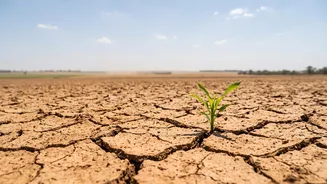
The amount of moisture in the ground plays a crucial role in regulating local temperatures. When rainfall is consistent, the soil is saturated. Much of the sun's energy is then used in the process of evaporation, which has a cooling effect on the immediate environment. However, during a period of deficient rainfall, the ground dries out. Dry soil cannot cool itself through evaporation. Instead, it absorbs the solar radiation and heats up, much like asphalt or sand. This heat is then radiated back into the lower atmosphere, contributing to higher air temperatures. This phenomenon is a key reason why dry spells during the monsoon season often feel exceptionally warm. Studies have consistently shown that dry soil leads to warmer weather conditions.
Changing Wind Patterns
The monsoon is fundamentally a massive seasonal reversal of wind patterns. During an active summer monsoon, cool, moisture-laden winds blow from the sea towards the land. These winds are what bring the rain and keep the subcontinent's temperatures in check. When the monsoon begins to withdraw, a process that typically starts in northwestern India around mid-September, this pattern breaks down. The moist sea winds are replaced by drier, hotter winds blowing from the land. This shift in wind direction cuts off the supply of moisture and brings warmer air masses over regions that were previously being cooled by the monsoon flow, causing a noticeable spike in temperatures.
The Impact of Monsoon 'Breaks'
Even during an overall healthy monsoon season, there can be periods known as 'monsoon breaks', where rainfall activity ceases for several days. These breaks are often associated with a northward shift of the monsoon trough, the low-pressure belt that drives rainfall. During these breaks, central and northern India experience a sharp decline in rainfall and a corresponding rise in temperature. The mechanisms are the same: clearer skies, drier ground, and a temporary shift in local winds. These periods of unseasonal heat can create a feedback loop, where high temperatures increase evaporation from reservoirs and stress vegetation, further exacerbating dry conditions until the monsoon circulation re-establishes itself. Factors like El Niño can increase the frequency and duration of these breaks, leading to warmer and drier conditions overall.
Consequences for Agriculture and Daily Life
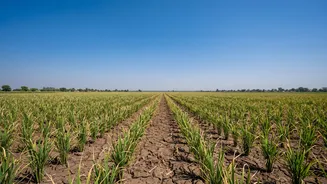
This connection between low rainfall and high heat has significant real-world consequences. For agriculture, a dry and hot September can be devastating. Many summer-sown kharif crops are in a crucial maturing phase and require water. A lack of rain combined with heat stress can severely impact crop yields and reduce the soil moisture needed for planting winter crops like wheat. For the general population, it leads to increased discomfort and health risks associated with heat stress. It also drives up the demand for electricity for air conditioning and fans, putting a strain on power grids. Ultimately, this seemingly simple weather pattern has far-reaching effects on India's economy, food security, and public health.