




The Digital Revolution Reaches Bharat
The single most significant catalyst for this change has been the digital revolution. Affordable smartphones and cheap data plans have democratized access to information, entertainment, and commerce. Consumers in cities like Lucknow, Jaipur, and Indore
are now exposed to the same brands and trends as their metropolitan counterparts. This digital bridge has been paved by the widespread adoption of platforms like UPI for payments, which has boosted consumer confidence in online transactions. As a result, e-commerce platforms are seeing a surge in orders from non-metro areas, with some reports indicating that these cities are outpacing metros in online spending growth.
Infrastructure as the New Backbone
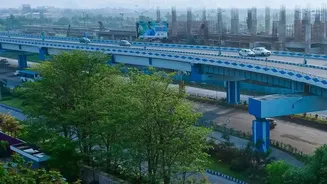
Digital connectivity alone isn't enough; physical connectivity is crucial. Massive government investment in infrastructure has been a game-changer. Ambitious projects like the Bharatmala Pariyojana, which aims to connect hundreds of district headquarters with new highways, and the UDAN scheme for regional air connectivity, are shrinking distances. These developments don't just ease travel; they create efficient supply chains, allowing businesses to transport goods and establish operations more effectively. This improved connectivity is turning once-distant towns into attractive hubs for logistics, manufacturing, and real estate investment.
Aspirations on the Rise
With greater exposure and rising disposable incomes, consumer aspirations in smaller cities have soared. The focus is shifting from basic needs to discretionary spending on categories like branded apparel, travel, entertainment, and education. This isn't about blind extravagance; it's about a value-conscious consumer who is actively seeking better quality products and experiences. Brands are learning that a one-size-fits-all approach doesn't work. To succeed, they must connect with local culture, use regional languages in their marketing, and build trust through community engagement and reliable service.
Beyond Shopping: The Talent and Business Boom
This transformation is not just about consumption; it's also about production and talent. Companies are increasingly looking beyond the saturated and expensive metros to set up new offices, manufacturing units, and Global Capability Centres (GCCs). Tier-2 and Tier-3 cities offer significant cost advantages, with lower salaries and real estate rentals. This, combined with a better quality of life and lower employee attrition rates, makes them highly attractive. Cities like Visakhapatnam, Surat, and Vadodara are becoming specialised economic hubs, creating jobs in sectors like IT, manufacturing, and financial services, which in turn fuels the local consumption cycle.