


More Than Just a Health Food
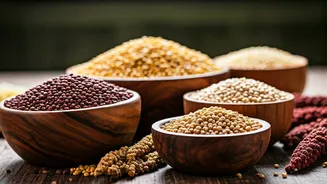
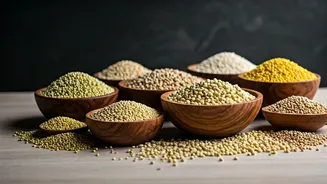
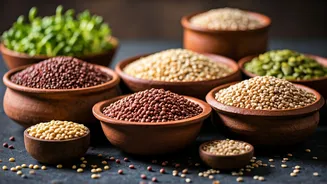
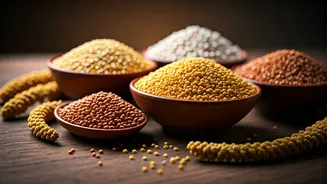
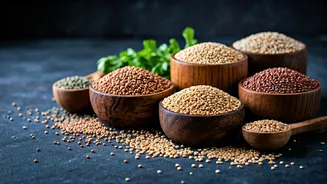
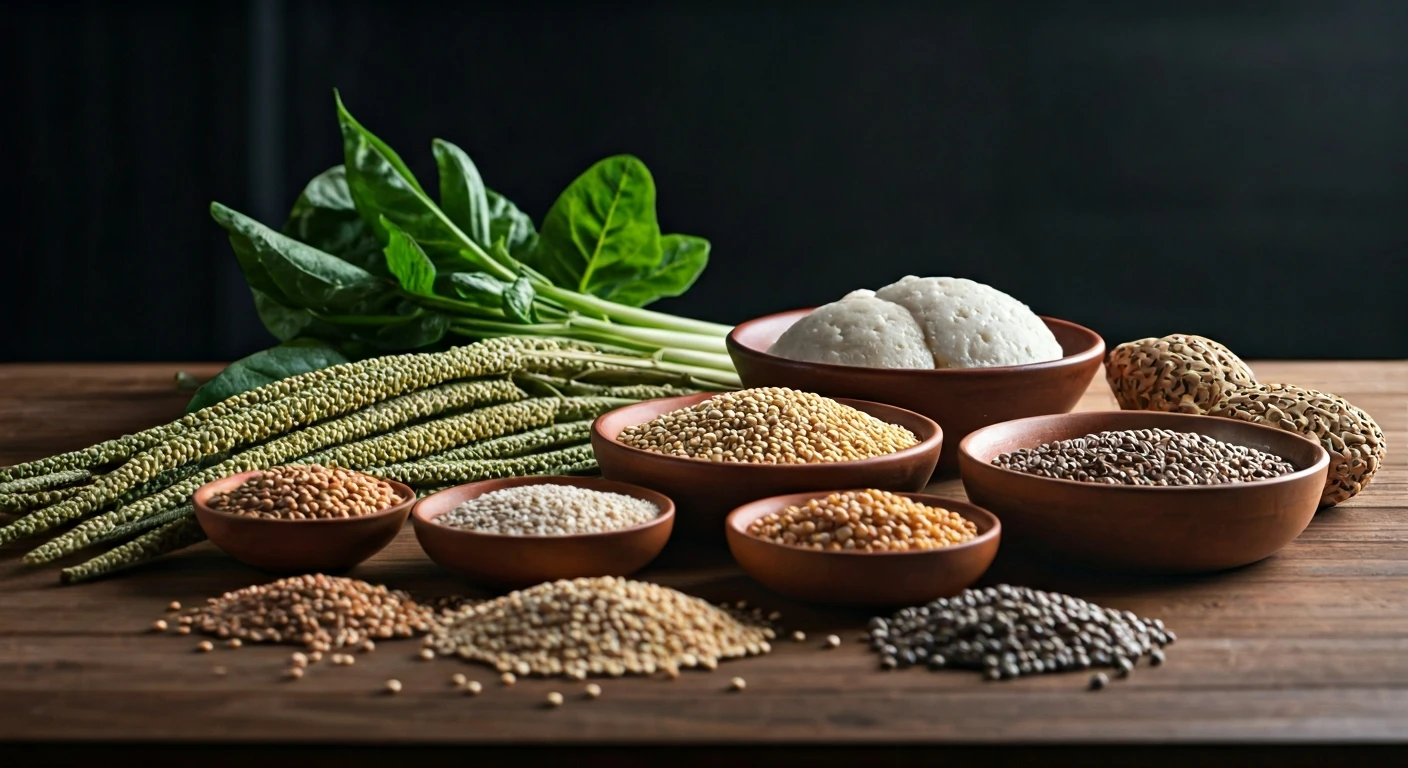
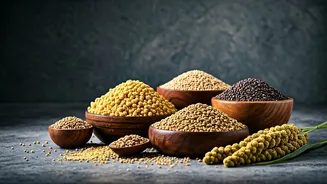
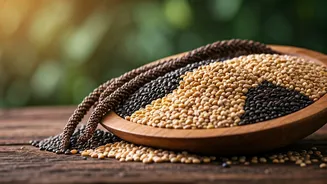
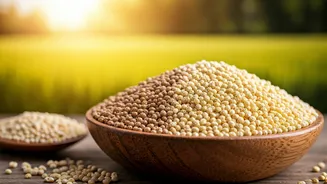
For years, millets like ragi, jowar, and bajra were primarily known for their health benefits, especially as a gluten-free alternative to wheat. They are packed with fibre, essential minerals like iron and calcium, and have a low glycemic index, which
helps in managing blood sugar levels. While these nutritional advantages are a significant draw for health-conscious consumers, the current trend is driven by something more. It's a widespread cultural shift that embraces millets for their versatility, taste, and connection to Indian heritage. Consumers are rediscovering these ancient grains not just for wellness, but as a flavourful and integral part of everyday meals.
A Major Push from the Government
The resurgence of millets received a massive boost from government initiatives. India spearheaded the UN's resolution to declare 2023 as the International Year of Millets, creating a global platform to promote these grains. This campaign, referring to millets as 'Shree Anna' or the 'mother of all grains', sparked nationwide awareness. The government has continued to support millet farmers, invest in research at institutions like the Indian Institute of Millets Research (IIMR), and promote millets in public food programs. This sustained effort has created a strong foundation, ensuring that the momentum continues long after the dedicated year has passed.
From Humble Kitchens to Fine Dining
Another key driver of the millet trend is culinary innovation. Chefs across India are championing these grains, moving them from simple porridges to gourmet creations. Restaurants now feature millet-based dishes ranging from risottos and pastas to sophisticated desserts, showcasing their incredible versatility. This has made millets aspirational, transforming their image from a 'poor man's food' to a star ingredient in modern Indian cuisine. Celebrity chefs and food influencers are also developing and sharing accessible millet recipes, encouraging home cooks to experiment.
Convenience for the Modern Consumer
Perhaps the most significant factor in millets going mainstream is their availability in convenient, ready-to-use forms. The market is now flooded with millet-based products, including breakfast cereals, dosa and idli mixes, noodles, pasta, and a wide variety of snacks like cookies and puffs. Brands both large and small, from Tata Soulfull to numerous startups, have made it easy for busy urban consumers to incorporate millets into their diet without the hassle of traditional preparation methods. This focus on convenience ensures that millets fit seamlessly into modern, fast-paced lifestyles.
A Sustainable Choice and a Return to Roots
Beyond health and convenience, the millet trend taps into two other powerful consumer sentiments: sustainability and a connection to tradition. Millets are climate-resilient crops that require significantly less water than rice and wheat and can grow in poor soil conditions, making them an environmentally friendly choice. For many Indians, eating millets is also a return to their roots—a way of reconnecting with the food their ancestors ate. This blend of ecological mindfulness and cultural nostalgia makes choosing millets a meaningful decision that goes beyond what's simply on the plate.