






Vietnam's coastline beckons with promises of stunning beaches and luxurious stays. But the country's true culinary magic isn't found in the polished chafing dishes of a resort buffet. It’s found in the chaotic, vibrant, and utterly delicious local seafood
markets.
The Comfort of the Convenient Buffet
Let's be honest: after a long day of travel, the siren song of a resort's all-you-can-eat seafood buffet is strong. It’s easy, convenient, and requires zero thought. Gleaming displays of prawns on ice, pre-shucked oysters, and grilled lobster tails promise a lavish feast. But convenience often comes with a hefty price tag and a few hidden compromises. Many of these buffets, while impressive, rely on a mix of fresh and frozen items to maintain their vast spreads. The experience, though comfortable and air-conditioned, can feel generic—a global standard of luxury dining that could be anywhere in the world. You’re paying a premium, often upwards of 1,500,000 VND per person, for variety and ease, but not necessarily for peak freshness or local character.
A Plunge into the Real Vietnam
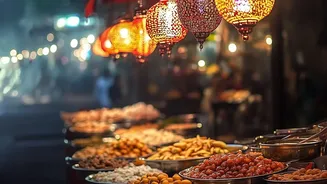
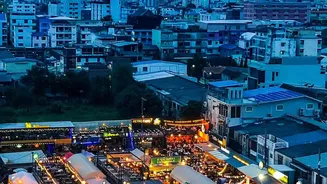
Now, imagine this: the sun is setting over a coastal city like Da Nang or the island of Phu Quoc. You wander into a bustling night market, guided by the sound of sizzling grills and the salty air. Lanterns cast a warm glow over dozens of stalls where local vendors proudly display the day's catch. The atmosphere is electric. It’s a sensory overload in the best possible way—the chatter of bargaining, the clatter of cooking utensils, and the irresistible aroma of charcoal and garlic. This isn't just a meal; it's an event. Instead of a silent, polished dining room, you’re in the heart of the community, surrounded by families and friends sharing food. This is where Vietnam’s vibrant culinary soul truly lives.
From Tank to Table: An Eater's Guide
Navigating a Vietnamese seafood market for the first time might seem intimidating, but the process is surprisingly simple and part of the fun. The best spots have live tanks teeming with crabs, prawns, geoducks, and fish. You simply point at what you want. The vendor will weigh your selection, and you agree on a price per kilo—always confirm the price beforehand to avoid surprises. Next, you decide how you want it cooked. Many markets have adjacent eateries or the vendors themselves will cook your meal for a small fee. A few simple Vietnamese phrases for cooking styles go a long way: 'nướng mỡ hành' (grilled with scallion oil and peanuts) for oysters and scallops, 'hấp sả' (steamed with lemongrass) for clams, or 'rang me' (sautéed in tamarind sauce) for crab.
The Unbeatable Taste of True Freshness
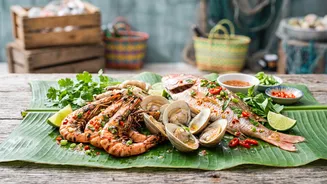
The difference in taste is staggering. That lobster you just picked was swimming minutes before it hit the grill. The sweetness of freshly caught mantis shrimp or the firm texture of grilled squid is a world away from buffet fare that may have been frozen. The preparations are often simple, designed to highlight the seafood's natural flavour. Imagine scallops grilled until tender and topped with nutty peanuts and fragrant scallion oil, or a whole fish steamed with ginger, its meat flaky and delicate. Local specialties shine here, from Phu Quoc's unique herring salad (gỏi cá trích) to the rich, creamy sea urchins grilled right in their shells. This is food that hasn’t been standardized for international palates; it’s authentic, bold, and incredibly delicious.
Value That Goes Beyond the Price Tag
While a market seafood feast often costs a fraction of a resort buffet, the real value isn't just monetary. It's about the richness of the experience. It's the thrill of pointing to a strange-looking snail and trying it for the first time. It's the satisfaction of supporting local fishermen and small family-run stalls directly. It’s about creating a travel memory that feels uniquely yours, not one curated by a hotel chain. The 'price' of a buffet buys you predictable comfort. The 'investment' in a market meal pays dividends in flavour, adventure, and a genuine connection to the place you’re visiting. You leave not just with a full stomach, but with a story to tell.