





The Underwater Jewels of India
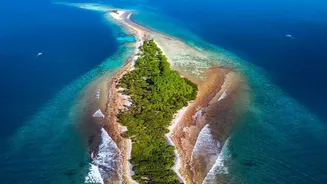
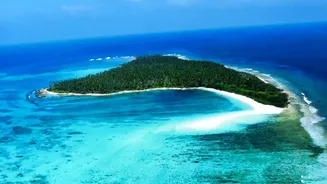
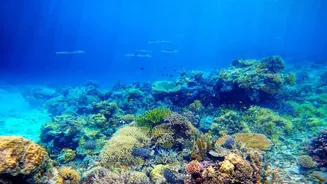
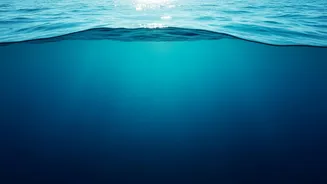
Lakshadweep, an archipelago of 36 islands in the Arabian Sea, is home to some of the most spectacular coral reefs in the country. These underwater cities are built by tiny coral polyps over thousands of years and support a staggering amount of biodiversity,
including hundreds of species of fish, turtles, and other marine life. The reefs are not just a natural wonder; they are the bedrock of island life. They protect the low-lying islands from coastal erosion, provide a critical source of income through fishing, and are the main attraction for the growing tourism sector. Their health is directly linked to the health of the islands and the communities who call them home.
A Paradise Under Pressure
This fragile paradise faces significant threats. Globally, rising sea temperatures due to climate change cause coral bleaching, a stress reaction where corals expel their life-giving algae and turn white. Lakshadweep has experienced several mass bleaching events, with studies showing a significant decline in live coral cover over the past two decades. Alongside climate change, human activity poses a direct risk. Unregulated tourism can lead to physical damage from boats and tourists walking on the reefs, while pollution from plastic and waste can suffocate the delicate organisms. Without careful management, the very things that draw visitors to Lakshadweep could disappear forever.
The Blueprint for Protection
Recognizing these threats, the Lakshadweep administration has implemented a series of rules designed to balance tourism with conservation. The cornerstone of this strategy is a strict entry permit system for all non-islanders. Recently simplified in 2026 to remove the need for police clearance certificates and local sponsors, the system remains mandatory. By requiring visitors to apply in advance and specify the islands they intend to visit, authorities can control the number of people in sensitive areas at any given time, preventing the overcrowding that plagues other destinations. This regulated access is a crucial first step in reducing human pressure on the ecosystem.
How Rules Translate to Reef Resilience
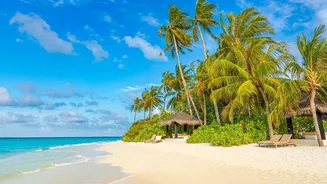
The protective measures go far beyond just permits. A complete ban on single-use plastics across the islands significantly reduces the primary source of marine litter that can entangle and harm marine life. Eco-friendly tourism infrastructure is encouraged, with many resorts implementing solar power, rainwater harvesting, and robust waste management systems. Furthermore, by restricting tourists to specific islands and creating designated zones for activities like snorkelling and diving, authorities allow other reef areas to rest and recover. Tourists are also educated on responsible practices, such as not touching or standing on coral. These combined efforts create a protective bubble, giving the reefs a fighting chance to withstand and recover from wider threats like climate-induced bleaching.
A Model for the Future?
Lakshadweep's approach of prioritizing ecological health through a 'low volume, high value' tourism model is gaining recognition as a potential blueprint for other fragile destinations. While challenges remain, especially with plans for future development and infrastructure expansion, the core philosophy is sound. The rules aren't designed to hinder tourism but to sustain it for the long term. By making visitors active participants in conservation, Lakshadweep is ensuring that its natural wealth is not consumed by its popularity. Revenue from eco-conscious tourism can be reinvested into conservation and community development, creating a virtuous cycle where both people and nature benefit. This deliberate, controlled approach demonstrates that economic growth and environmental preservation can, and must, go hand in hand.