



1. Ignoring Regional Weather Differences
A common mistake is assuming the monsoon is uniform across India. While one region flourishes, another might be facing severe waterlogging or landslides. Planning a beach holiday on the west coast, for example, might be a washout, as many beaches are
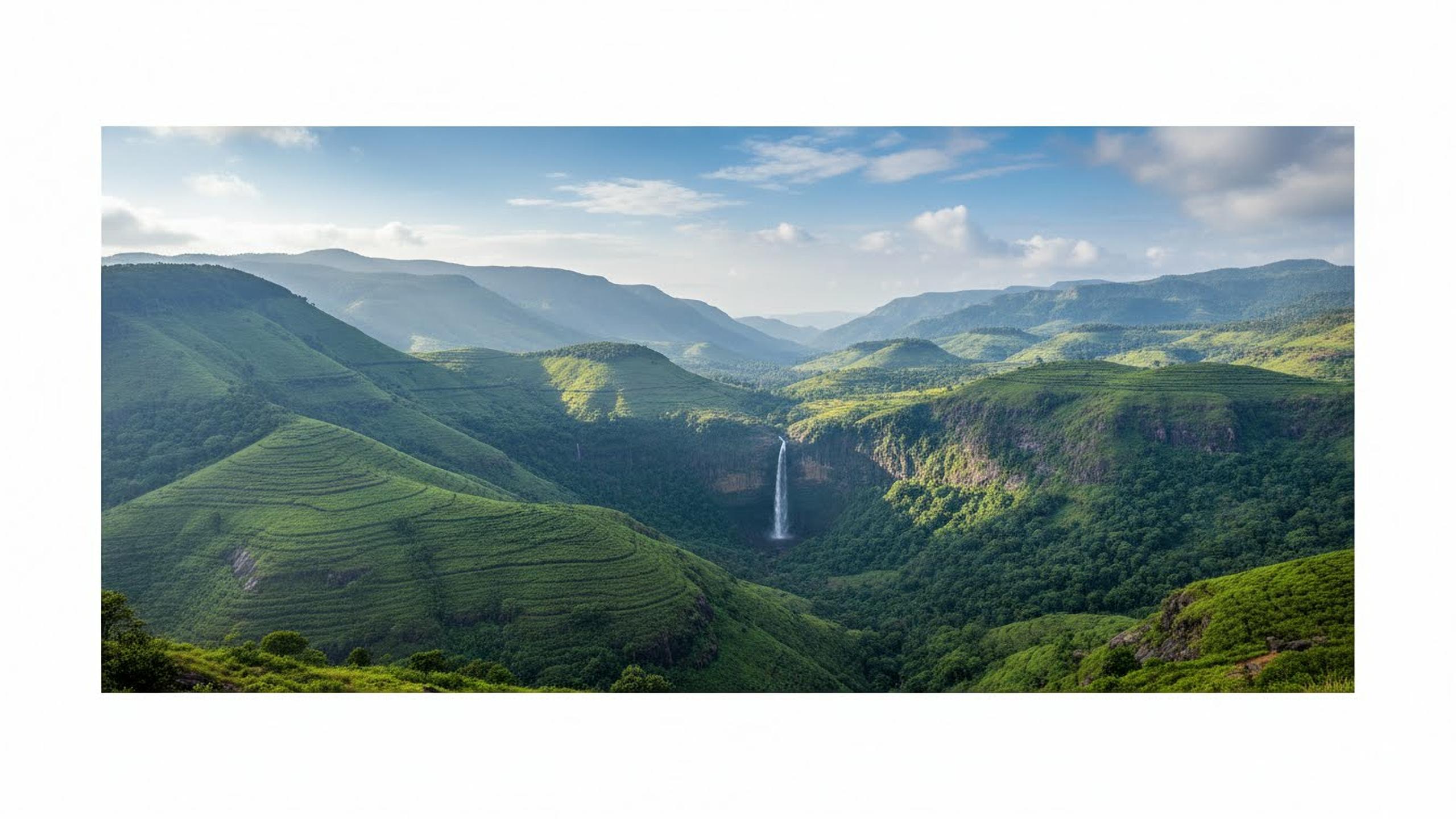
unsafe for swimming during heavy rains. Conversely, regions like Ladakh are largely unaffected by the monsoon and are perfect for travel during this time. Before booking, research the specific weather patterns for your chosen destination. Choosing a location without checking its monsoon intensity can lead to cancelled activities, stranded travel, and non-refundable booking losses. Opt for destinations known to be beautiful and accessible during the rains, like the Western Ghats or parts of Rajasthan, which see less rainfall.
2. Packing the Wrong Clothes and Footwear
Packing heavy fabrics like denim or thick cotton is a recipe for discomfort. These materials take days to dry in the high humidity, leaving you with damp, smelly clothes. The smarter choice is lightweight, synthetic, quick-drying fabrics like polyester and nylon blends. Similarly, wearing the wrong footwear can ruin your trip. Smooth-soled sandals or non-waterproof shoes are impractical for slippery, waterlogged streets. Invest in a good pair of waterproof sandals or floaters with excellent grip to navigate wet terrain safely. Forgetting a proper waterproof backpack cover is another frequent error; a 'water-resistant' bag often isn't enough to protect your electronics and documents from a sudden downpour. Packing smart saves you the time and money you would otherwise spend looking for uncomfortable, overpriced replacements.
3. Underestimating Health and Safety Risks
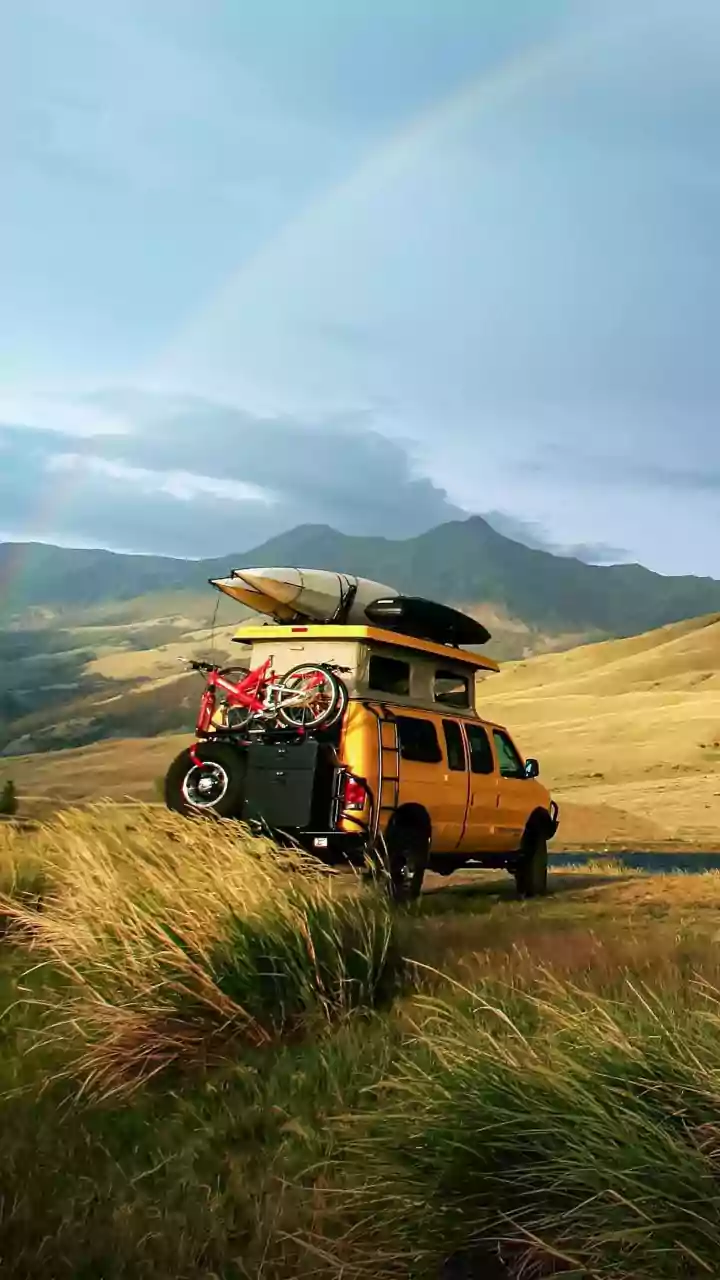
The monsoon is a peak season for water-borne and mosquito-borne diseases like dengue and malaria. Many travelers make the mistake of not taking adequate health precautions. It is crucial to drink only boiled, filtered, or bottled water and to be cautious about street food, which can be prepared in unhygienic conditions. Carrying a mosquito repellent with DEET is essential, especially in the evenings and in green, humid areas. Driving also carries increased risks. Roads become slippery, visibility is poor, and waterlogged streets can hide potholes. If you are on a road trip, reduce your speed, maintain a safe distance from other vehicles, and avoid driving at night if possible. Ignoring these basic safety measures can lead to illness or accidents, resulting in significant medical costs and lost vacation time.
4. Making Last-Minute Transport Bookings
Spontaneity is a wonderful part of travel, but it can backfire during the monsoon. Heavy rains, low visibility, and landslides can cause significant delays and cancellations for flights and trains. Booking your travel at the last minute leaves you vulnerable to these disruptions and surge pricing. Airlines often see cascading delays, where a morning issue leads to major evening backlogs. To avoid this, book morning flights, which are less likely to be affected by afternoon thunderstorms. It's also wise to opt for flexible fares that allow for changes, as the weather can be unpredictable. For train and bus travel, booking in advance not only saves money but also secures your seat on popular routes. Relying on last-minute availability is a gamble that can leave you stranded and paying much more than necessary.
5. Sticking to a Rigid Itinerary
One of the biggest errors is creating a tightly packed schedule with no room for flexibility. A single heavy downpour can shut down a road, cancel a ferry, or make a sightseeing spot inaccessible for a day. If your plan is too rigid, you will likely face disappointment and lose money on pre-booked activities you can no longer attend. The key to successful monsoon travel is building buffer days into your itinerary. If you're attending an important event like a wedding, plan to arrive a day or two early. Always have a backup plan with indoor attractions or alternative routes. Before heading out each day, check local weather alerts and road conditions. A flexible mindset allows you to adapt to the weather, ensuring that rain enhances your trip rather than ruins it.