






The Rise of Scrappy Cooking
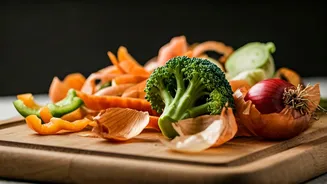
Welcome to the world of “root-to-fruit” eating, a philosophy that’s taking over social media feeds dedicated to sustainability. The idea is simple: use every part of the plant, just as “nose-to-tail” cooking uses every part of an animal. This isn’t just about
being frugal; it’s a creative challenge that has captured the imagination of eco-conscious foodies. Watermelon rind, which makes up a significant portion of the fruit's weight, was a prime candidate for a culinary glow-up. Posts tagged with #zerowaste and #scrappycooking showcase beautiful, colourful dishes made from parts we’d normally compost or bin. Watermelon rind crisps have become a poster child for this movement because they are visually appealing, require simple ingredients, and represent a tangible victory against household food waste.
Preparing the Rind
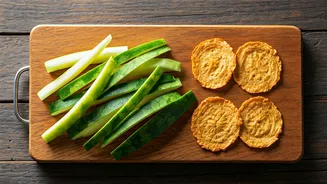
So, how do you turn a tough, watery rind into a crunchy crisp? The process starts with a bit of prep work. First, make sure you’ve washed the outside of the watermelon thoroughly. Once you’ve enjoyed the sweet pink flesh, take the remaining rind and use a vegetable peeler to remove the tough, dark green outermost layer. This skin is edible but can be quite fibrous and bitter. You are left with the firm, white part of the rind. The next, and most crucial, step is to slice this white part as thinly as possible. A mandoline slicer is your best friend here, as it ensures uniform thickness, which is key for even cooking and crisping. If you don’t have one, a very sharp knife and a steady hand will do the trick. The thinner the slice, the crispier the final product.
Choosing Your Method: Oven vs. Air Fryer
Once your rinds are sliced, it's time to cook. You have two excellent options. For the oven method, preheat it to a low temperature, around 100°C (200°F). Lay the rind slices in a single layer on a baking sheet lined with parchment paper. This part is important—don't let them overlap, or they’ll steam instead of dehydrate. Bake for about 1.5 to 2 hours, flipping them halfway through. The goal is to slowly draw out the moisture until they are dry and crisp. The air fryer method is much faster. Set your air fryer to about 180°C (350°F) and cook the slices in a single layer for 10-15 minutes, shaking the basket every 5 minutes to ensure they cook evenly. They can go from perfect to burnt quickly in an air fryer, so keep a close eye on them during the last few minutes.
The Magic Is in the Seasoning
On its own, watermelon rind is quite neutral in flavour, a bit like a cucumber or jicama. This makes it a perfect blank canvas for whatever seasonings you’re craving. Before baking or air frying, toss the thin slices in a bowl with a little oil to help the seasonings stick. For a savoury snack, try a simple mix of salt, black pepper, and garlic powder. To give it a desi twist, a sprinkle of chaat masala or amchur (dry mango powder) with a pinch of red chilli powder works wonders. If you have a sweet tooth, go with a combination of cinnamon and a touch of sugar or jaggery powder. The sugar will caramelize as it bakes, creating a sweet, brittle crisp that’s perfect for satisfying dessert cravings.
The Final Verdict: What to Expect
Don’t expect a perfect potato chip replica. Watermelon rind crisps have their own unique character. Depending on the thickness of your slices and your cooking time, the texture can range from slightly chewy (like a dried fruit) to satisfyingly brittle and crisp. The flavour is almost entirely dependent on your seasoning. When done right, the savoury versions are a fantastic, light alternative to packaged snacks, and the sweet versions are a delightful and unusual treat. They are best eaten fresh, as they can lose some of their crispness if stored for too long, especially in a humid climate. Think of it less as a replacement for your favourite snack and more as a fun, new addition to your culinary repertoire.