








A Rising Tide of Lifestyle Diseases
India is currently grappling with a severe public health challenge often described as a 'double burden': while still fighting undernutrition, the country is witnessing a rapid and alarming surge in non-communicable diseases (NCDs). Conditions like obesity,
diabetes, and heart disease now account for over 60% of all deaths in the country. The Indian Council of Medical Research (ICMR) attributes a staggering 56.4% of India's total disease burden to unhealthy diets. This isn't a problem for the distant future; it's a present-day crisis affecting millions. Recent data shows over 100 million Indians are living with diabetes, and medical experts are increasingly pointing to a common culprit: the ultra-processed foods (UPFs) that have fundamentally altered the nation's dietary habits.
The Packaged-Food Dilemma
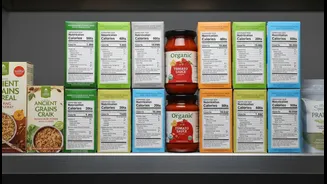
From instant noodles and biscuits to sugary drinks and salty snacks, UPFs have become ubiquitous. Their consumption has risen dramatically across all income levels, in both urban and rural areas. These products are typically high in fat, sugar, and salt (HFSS), a combination linked directly to the NCD crisis. The issue is compounded by aggressive marketing and misleading labels. The ICMR recently issued guidelines warning consumers that health claims on packages are often designed to be persuasive rather than purely informational. For example, a product advertised as being made with 'real fruit' may only contain 10% fruit pulp, with the rest being added sugar and additives. An independent audit found that over a third of food labelling claims in India were non-compliant with regulations, with many products marketed to children carrying misleading claims despite being high in sugar or salt.
The Battle for Front-of-Pack Data
At the heart of the issue is a long-running regulatory debate over Front-of-Pack Labelling (FOPL). For years, health advocates and medical bodies have pushed the Food Safety and Standards Authority of India (FSSAI) to mandate clear, simple warnings on the front of packages containing unhealthy ingredients. The FSSAI's proposed solution has been a 'Health Star Rating' (HSR) system, similar to what is used in Australia, which would rate foods from half a star to five stars. However, a coalition of doctors and public health experts has argued that star ratings are confusing, can be manipulated, and are less effective than direct warnings. They advocate for simple, interpretive warning labels, such as a black octagon, that clearly state when a product is 'High in Sugar,' 'High in Salt,' or 'High in Fat.' This model has proven effective in other countries at helping consumers make healthier choices in the few seconds they spend selecting a product.
Supreme Court Steps In, Citing Right to Health
The FOPL debate, which began with drafts as early as 2014, has been marked by years of consultations and delays. This changed in February 2026, when the Supreme Court of India intervened directly. Expressing dissatisfaction with the lack of progress, the court directed the FSSAI to seriously consider implementing mandatory FOPL as a measure to safeguard the citizens' fundamental right to health. The court's intervention has put a new focus on the urgency of the situation, highlighting that clear nutritional information is not just a consumer convenience but a matter of national public health and a medical safety guardrail.
The 'Indian Context' and Consumer Awareness
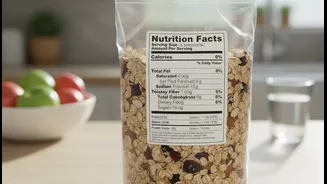
Implementing an effective system is complex. The 'Indian context' involves a vast diversity in diets, cultures, and literacy levels. Studies show that while most Indians read food labels, they primarily look for the manufacturing or expiry date, not the nutritional information, which many find too technical and confusing to understand. There remains a significant gap between consumer awareness of labels and the ability to use that information to make healthier purchasing decisions. For any labelling system to work, it must be simple, direct, and cut through the noise of marketing claims. This is why medical groups argue that a straightforward warning is superior to a graded rating system, as it requires no complex interpretation.