



Start with a 'Flex' Plan
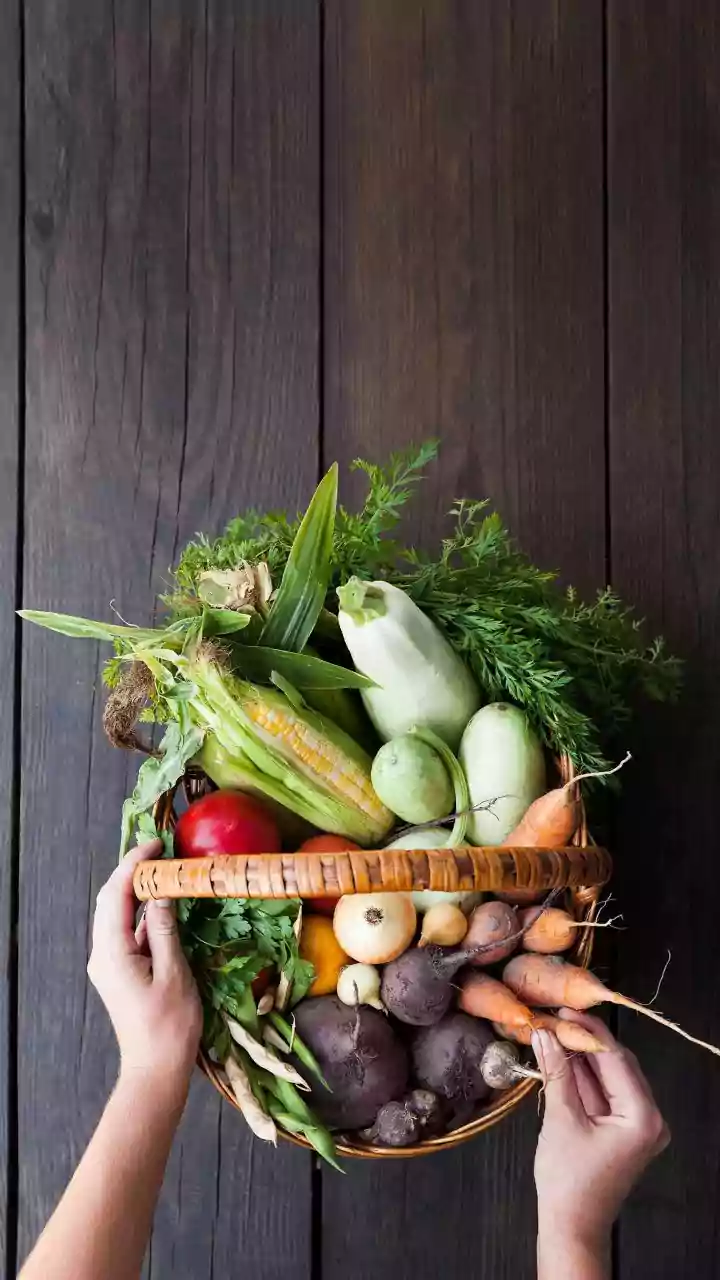
The key to a zero-waste kitchen that doesn't rely on repetition is flexible planning. Instead of locking in seven distinct dinners, think about core ingredients you can use in multiple ways. Before you shop, check your pantry and fridge. Plan your first
few meals around the most perishable items, like leafy greens or fresh berries. Then, build the rest of your week around a few versatile workhorses. For instance, a whole roasted chicken on Sunday can become filling for tacos on Tuesday and the base for a hearty chicken soup on Thursday. This approach ensures you use what you have before it goes bad, saving money and reducing waste from the very start.
Think Components, Not Just Meals
A game-changing strategy is to batch-prep components instead of entire meals. This gives you a toolkit of ready-to-go ingredients that can be combined in different ways throughout the week. For example, on Sunday you could cook a large pot of quinoa, roast a tray of mixed vegetables (like bell peppers, onions, and broccoli), and prepare a simple protein like grilled paneer or boiled chickpeas. On Monday, these become a nourishing grain bowl. On Tuesday, you can stuff them into a wrap with some fresh greens. By Wednesday, the remaining components can be stir-fried with a different sauce, creating a completely new dish. This method prevents the dreaded 'leftover fatigue' by offering variety and creative control.
Master the Art of Transformation
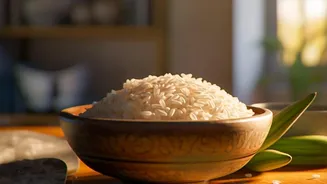
Leftovers don't have to be a direct copy of the original meal. The secret lies in changing their flavour profile or texture. Leftover rice, for instance, is actually better for making fried rice because the grains are drier and less likely to clump. Cooked vegetables that might seem unappealing can be blended into a soup, chopped into a frittata, or added to a casserole. Don't forget the power of sauces and spices. A simple tomato base can be seasoned with cumin and chilli for a Mexican-inspired dish one night, and then with oregano and basil for an Italian pasta sauce the next. Learning to see leftovers as a starting point, rather than an endpoint, is a crucial culinary skill.
Embrace the 'Everything' Dish
Designate one meal a week as a 'kitchen sink' creation. This is your chance to use up all the small, lingering odds and ends. That quarter of an onion, handful of spinach, and the last few mushrooms can be sautéed and folded into an omelette. A mix of leftover grains and cooked vegetables can be simmered in broth to create a comforting 'leftovers soup'. This is not only a practical way to clear out the fridge before your next grocery run but also a fun challenge. It forces you to get creative and often results in surprisingly delicious and unique meals you might not have thought to make otherwise.
Your Freezer Is a Preservation Tool
An organized freezer is your best ally in the fight against food waste. It’s not a place for forgotten 'mystery meats'; it's a time capsule for fresh ingredients. Got half a can of tomato paste or leftover wine? Freeze it in ice cube trays for easy-to-use portions in future sauces. Fresh herbs that are about to turn can be chopped and frozen in olive oil, creating perfect starter pucks for sautés. Even scraps like onion skins, carrot peels, and celery ends can be collected in a bag in the freezer. Once the bag is full, simmer the contents in water to create a flavourful homemade vegetable stock at no extra cost.