



Winter in India invites exploration beyond the usual. While famous parks draw crowds, true adventure lies in the wild, untamed corners of the country. Here is your guide to five unforgettable winter safaris away from the tourist trail.
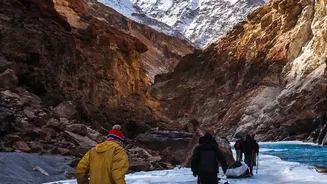
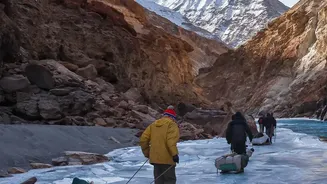
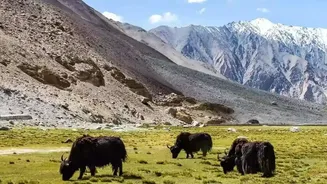
Hemis National Park, Ladakh: In Search of the Grey Ghost
Forget everything
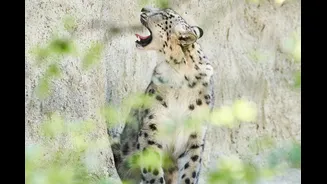
you know about traditional jeep safaris. Hemis is a high-altitude Himalayan wilderness, and a winter trip here is a true expedition. This is the realm of the snow leopard, one of the most elusive big cats on Earth. Winter is the prime season for a sighting, as the cold drives the leopards and their prey, like the blue sheep (bharal), down to lower, more accessible valleys. A safari here involves trekking through snowy landscapes and staying in local homestays, offering a profound connection to the stark beauty of Ladakh and its resilient communities. The experience is physically demanding, with temperatures often dropping far below freezing, but the reward—a potential glimpse of the 'grey ghost' against the rocky crags—is a wildlife encounter of a lifetime.
Eaglenest Wildlife Sanctuary, Arunachal Pradesh: A Birder’s Paradise
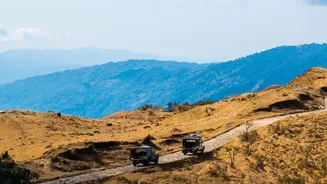
For the dedicated birdwatcher, Eaglenest is a name spoken with reverence. This sanctuary in the Himalayan foothills of Arunachal Pradesh is not about big mammals; it is a globally significant hotspot for avian biodiversity, with over 500 species recorded. Winter, from November to February, is a fantastic time to visit, offering clear skies and high bird activity, though the weather is chilly. Eaglenest became world-famous after the discovery of a new bird species, the Bugun Liocichla, in 2006, named after the local Bugun tribe. A trip here involves navigating a jeep track through pristine forests that change with elevation, revealing different species at every turn. You might spot the stunning Ward's Trogon, multiple species of laughingthrushes, and rare wren-babblers, making it a pilgrimage for those who find magic in the flutter of wings.
Desert National Park, Rajasthan: The Austere Beauty of the Thar
A safari in a desert? Absolutely. Near Jaisalmer, the Desert National Park offers a wildlife experience unlike any other in India, set against a stunning backdrop of rolling sand dunes and arid scrubland. This vast park is the last major refuge for the critically endangered Great Indian Bustard, one of the world's heaviest flying birds. Winter provides the most pleasant climate for exploring this unique ecosystem. Jeep safaris take you through a landscape that seems empty at first but is teeming with life adapted to the harsh conditions. Besides the majestic bustard, you can spot chinkara (Indian gazelle), desert fox, and a variety of raptors, including eagles and falcons that migrate here in winter. It's a place that swaps lush jungles for a stark, golden beauty and rewards patient observers.
Tadoba Andhari Tiger Reserve, Maharashtra: The Jewel of Vidarbha
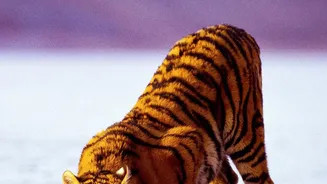
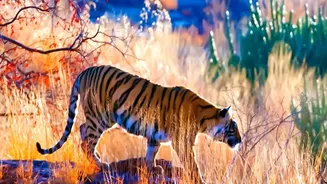
While tiger-centric parks are often crowded, Tadoba in Maharashtra offers a compelling alternative. Though increasingly popular, it provides a more intimate experience than some of its northern counterparts and boasts a very healthy tiger population. The winter months, from October to February, are fantastic for safaris. The weather is comfortable, the forest is lush and green after the monsoon, and wildlife activity is high. On cold mornings, tigers are often seen walking on the safari tracks to soak up the sun. Beyond the star attraction, Tadoba is also an excellent place to spot leopards, sloth bears, and wild dogs (dholes). Winter is also a prime time for birdwatching, as migratory species flock to Tadoba's lakes and reservoirs, adding another layer to your safari experience.
Manas National Park, Assam: A World Heritage Wilderness
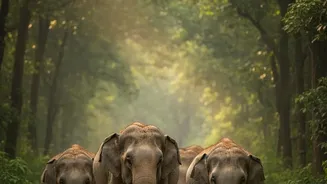
Nestled at the foothills of the Himalayas on the border with Bhutan, Manas is a UNESCO World Heritage Site that feels like a world apart. While it has tigers, they are elusive in the dense terrain; the real magic of Manas lies in its incredible biodiversity and rare, endemic species. Winter is the best time to visit, with pleasant weather and frequent wildlife sightings. The park is famous for the 'Big Four' besides the tiger: the pygmy hog (the world's smallest wild pig), the hispid hare, the golden langur, and the wild water buffalo. A jeep safari here takes you through stunning landscapes of grasslands, dense forests, and riverine meadows, with the blue hills of Bhutan as a constant backdrop. It is also a phenomenal destination for birding, attracting serious enthusiasts from around the globe.