



From Plant to Pantry: A Tale of Two Processes
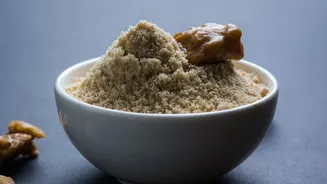
The fundamental difference between jaggery (gur) and white sugar lies in their production. Both originate from sugarcane juice, but their paths diverge significantly. Jaggery is made by boiling sugarcane juice until it thickens and solidifies. This minimal
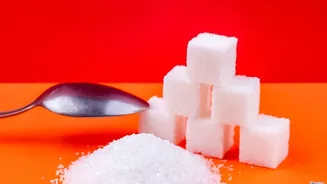
processing means it retains the molasses, which is a nutrient-rich byproduct. White sugar, on the other hand, undergoes extensive refining. The process involves stripping away the molasses and using chemicals to clarify, bleach, and crystallize the sucrose. What’s left is pure, white sucrose crystals with virtually no other nutrients.
Nutritional Showdown: More Than Just Sweetness?
The headline claim that jaggery contains trace minerals is accurate. Because it retains molasses, jaggery has small but measurable amounts of iron, potassium, magnesium, and calcium. For instance, 100 grams of jaggery can contain a significant amount of iron and potassium. In stark contrast, white sugar offers 'empty calories', providing sweetness with negligible mineral or vitamin content. However, it's crucial to maintain perspective. To get a substantial amount of these minerals, you would need to consume a large quantity of jaggery, which would also mean a very high sugar and calorie intake. Experts agree that while jaggery is nutritionally superior, it should not be considered a primary source of minerals.
The Glycemic Index: A Surprising Twist
A common belief is that jaggery is healthier for blood sugar control. However, studies show the opposite can be true. Sugarcane jaggery has a high glycemic index (GI), often measuring around 84, which is higher than that of white sugar (around 65). This means jaggery can cause a faster and sharper spike in blood sugar levels. For this reason, people with diabetes are advised to treat jaggery with the same caution as white sugar and avoid or strictly limit its consumption. Both are predominantly sucrose and have a similar impact on blood glucose.
The Winter Wellness Connection
Jaggery has a special place in traditional winter diets for several reasons. In Ayurveda, it is considered to have 'warming' (Ushna) properties, making it a popular choice during colder months. It is traditionally used in remedies for coughs, colds, and respiratory congestion, often mixed with warm water or tea. Jaggery is also believed to aid digestion by stimulating digestive enzymes, which is why a small piece is often eaten after meals. These traditional uses, combined with its role as an immunity booster due to its mineral and antioxidant content, contribute to its reputation as a winter superfood.
Calories and The Final Verdict
When it comes to calories, the difference is negligible. Jaggery contains about 383 calories per 100 grams, while white sugar has about 387. Simply swapping sugar for jaggery will not aid in weight loss if the quantity remains the same. So, what's the verdict? Jaggery is the marginally better choice. It is less processed and offers a small profile of minerals and antioxidants that white sugar lacks. Its rich, molasses-like flavour also adds a distinct character to traditional sweets and dishes. However, it is not a health food. Both are forms of sugar that should be consumed in moderation as part of a balanced diet.