

The Unique Climate of November
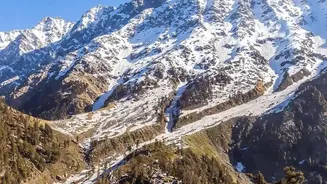
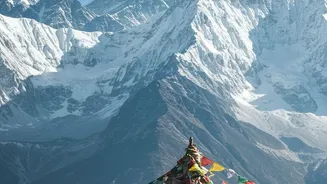
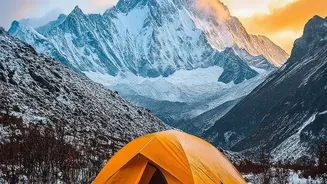
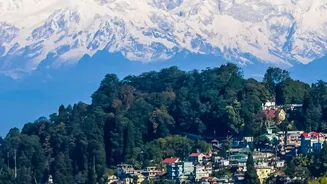
November is widely considered one of the best trekking months in the Himalayas for one primary reason: visibility. The post-monsoon air is free of dust and haze, offering magnificent, unobstructed views of the towering peaks. Daytime temperatures at popular
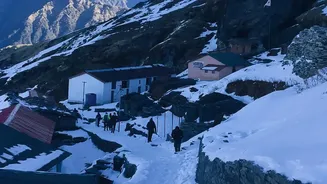
trekking altitudes (around 2,500 to 3,500 metres) are often mild and comfortable for hiking, sometimes ranging from 10°C to 20°C. However, this is a month of sharp contrasts. As the sun sets, temperatures plummet, frequently dropping below freezing at higher elevations. While rainfall is minimal, the risk of snow increases, especially towards the end of the month and at higher altitudes. This makes trail conditions generally stable and dry but requires preparation for sudden cold snaps.
Understanding Altitude Sickness (AMS)
The greatest challenge for any Himalayan traveller is altitude. Altitude sickness, or Acute Mountain Sickness (AMS), is the body's negative reaction to the lower oxygen levels found at high elevations, typically above 2,500 metres (8,200 feet). It is unpredictable and can affect anyone, regardless of age or fitness level. Symptoms often resemble a hangover and include headache, nausea, dizziness, fatigue, and loss of appetite. Ignoring these early signs is dangerous. If left unaddressed, AMS can progress to life-threatening conditions like High Altitude Pulmonary Edema (HAPE), which involves fluid in the lungs, or High Altitude Cerebral Edema (HACE), which is fluid in the brain. Recognizing the symptoms early is the most critical safety step.
Acclimatization: The Golden Rule of the Mountains
The only way to prevent altitude sickness is to give your body enough time to adjust to the thinner air, a process called acclimatization. Rushing your ascent is the biggest mistake you can make. A core principle is to 'climb high, sleep low', meaning you can hike to a higher point during the day but should return to a lower elevation to sleep. Most itineraries build in specific acclimatization days—rest days where you stay at the same altitude for two nights to allow your body to adapt before moving higher. This process generally takes one to three days for your body to adjust to a new altitude. These rest days are not about being idle; short hikes to nearby viewpoints are encouraged to aid the process. Listening to your body and ascending slowly are non-negotiable for a safe journey.
Packing for the Cold and the Climb
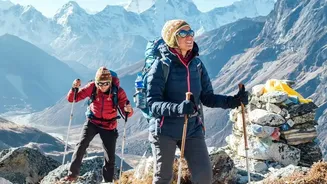
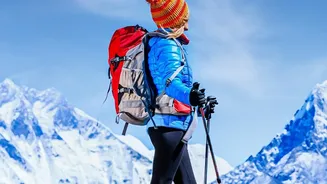
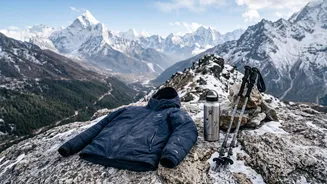
Your packing list for a November trek is a careful balance between staying warm and not over-burdening yourself. Layering is the most effective strategy. Start with a moisture-wicking base layer (thermals), add a fleece mid-layer for insulation, and top it with a waterproof and windproof outer shell. A down jacket is essential for the cold evenings and early mornings. For your lower body, insulated or quick-dry trekking pants are recommended. Sturdy, broken-in hiking boots with good ankle support are crucial. Don't forget a warm woollen cap, insulated gloves or mittens, and several pairs of quality hiking socks. Other essentials include a headlamp, sunscreen, lip balm with UV protection, and a personal first-aid kit that includes any personal prescriptions and medication for AMS like Diamox, after consulting your doctor.
Choosing the Right Itinerary
While many classic treks are spectacular in November, altitude and potential early snows mean some routes are better than others. Treks like the Everest Base Camp Trek, Annapurna Base Camp, and the Phulara Ridge Trek are popular choices due to their accessibility and breathtaking scenery this time of year. However, very high passes (above 5,000 metres) may become impassable due to snow and ice, especially late in the month. When choosing your trip, look for itineraries that have a sensible acclimatization schedule built in. It's also wise to check with a reputable local trekking agency about the current conditions of specific passes. Booking with an experienced operator not only provides logistical support but also ensures you have a knowledgeable guide who can monitor for signs of altitude sickness and make critical safety decisions.