



The Problem With a Label-Led Closet
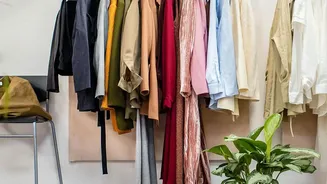
Many of us build our wardrobes piece by piece, often swayed by a tempting sale, a popular brand, or a fleeting trend. The result is a closet full of individual items rather than a collection of cohesive outfits. You might have a designer blazer bought
on a whim, a fast-fashion top that was popular for a season, and jeans from a brand everyone was talking about. While these might be great pieces on their own, they don't necessarily work together. This approach, which prioritizes the fashion label over the item’s actual role, is what leads to a closet bursting with ‘nothing to wear’. It creates decision fatigue and a vague sense of dissatisfaction. You own clothes, but you don't own outfits.
Thinking in Functions: A Simple Mindset Shift
A functional wardrobe is built on a simple question: What is this for? Instead of seeing a “Brand X T-shirt,” you start seeing a “weekend layering T-shirt” or a “smart casual top for office wear.” This reframes the value of each garment from its brand prestige to its practical utility in your life. This isn’t about discarding style; it’s about making style more intentional. By defining the job of each piece of clothing, you ensure that everything you own serves a distinct purpose. This mindset transforms you from a collector of clothes into the architect of your own personal style, creating a wardrobe where every item has a reason to be there.
How to Create Your First Functional Wardrobe List
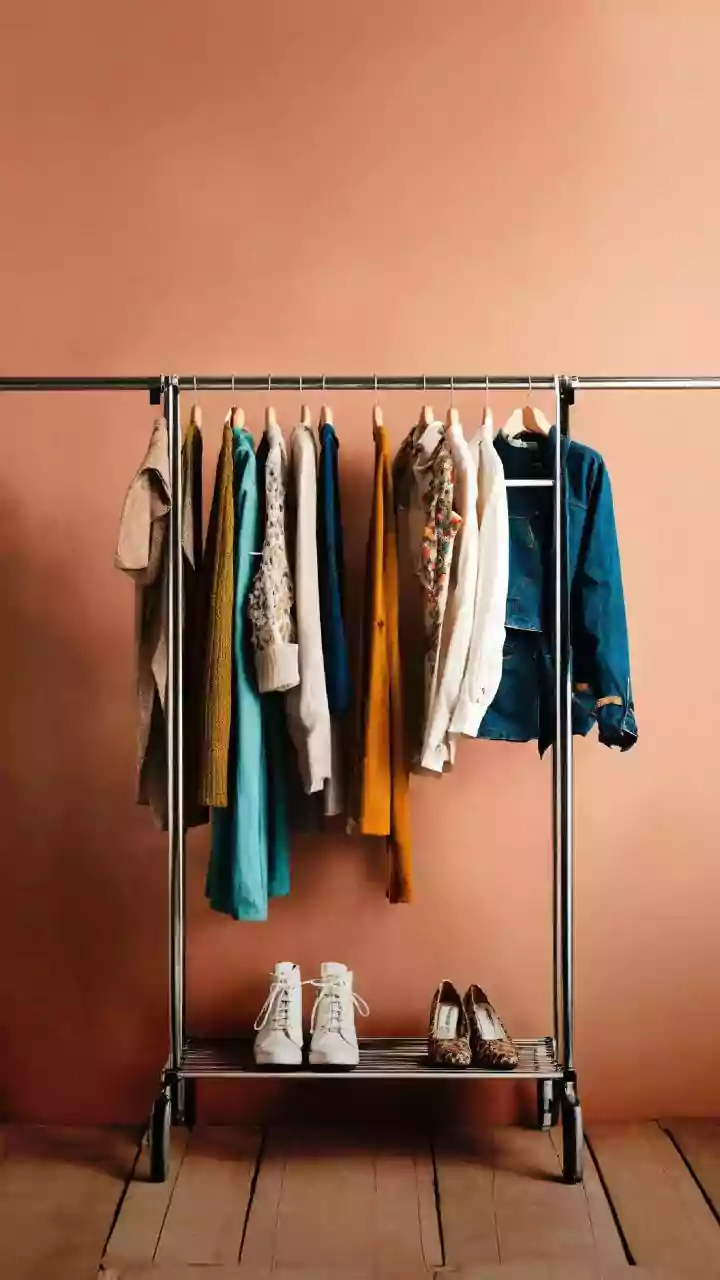
Ready to make the change? Creating a functional inventory is a straightforward process. First, pull everything out of your closet so you can see what you truly own. Second, group items by broad life categories, such as 'Work', 'Weekend Casual', 'Formal Events', and 'Activewear'. Third, get specific. Within 'Work', you might have functions like 'Client Meetings', 'Creative Tasks', or 'Casual Fridays'. Fourth, sort every single garment into one of these functional piles. Be honest about what you actually use each item for. The final step is analysis. You’ll immediately see where you have duplicates (five 'weekend brunch' tops) and where you have gaps (no appropriate outerwear for formal events). This inventory becomes your new shopping guide.
The Real-World Benefits of a Functional Closet
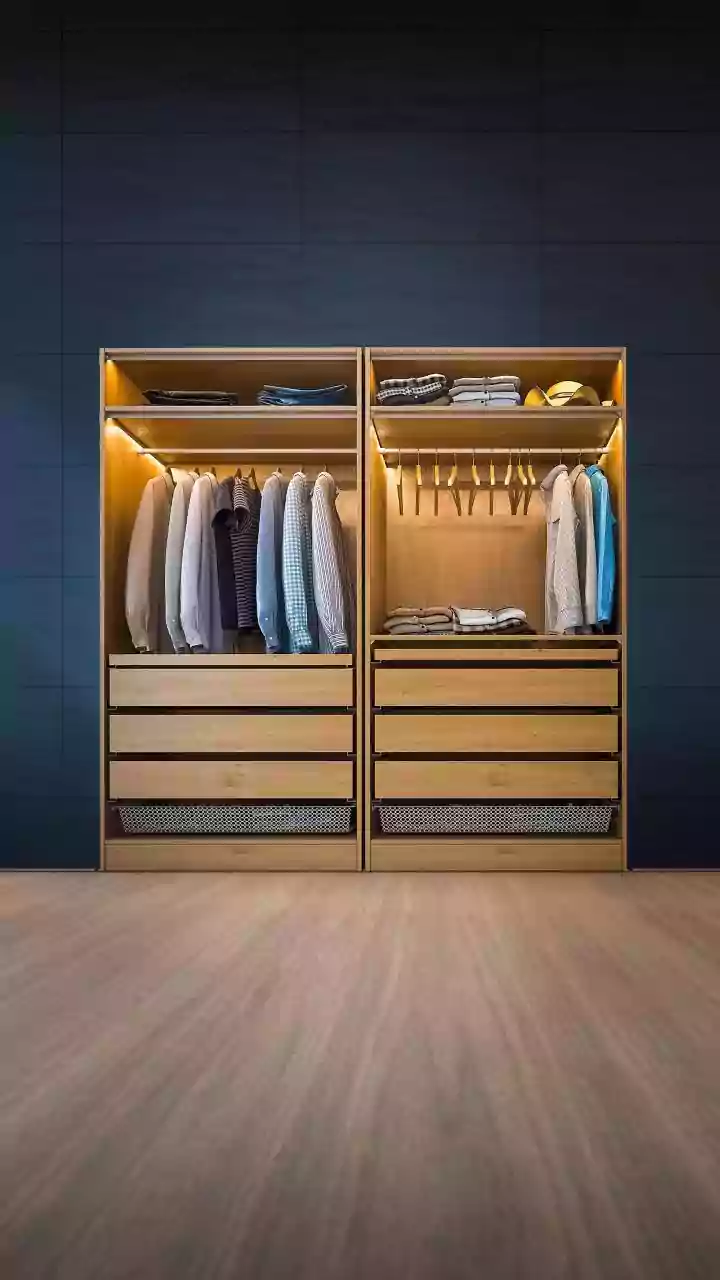
The rewards of this approach extend far beyond a tidier closet. Mornings become significantly less stressful when your wardrobe is organized by occasion. Instead of sorting through dozens of random items, you can go directly to the 'Work' section and build an outfit. This clarity saves you time and mental energy every single day. Financially, a functional list prevents impulse buys and duplicate purchases. When you know you already have three tops that serve the same purpose, you’re less likely to buy a fourth. You start shopping with intent, filling genuine gaps in your wardrobe with pieces you know you will wear. Over time, you’ll find you have a better understanding of your actual style because it's based on your life, not on fleeting trends.
Making the Functional System Last
Once you've organized your closet by function, maintaining it is key. Before buying anything new, ask yourself: “What function will this serve?” and “Does it fill a gap I've identified, or is it a duplicate?” This simple checkpoint helps keep your wardrobe lean and effective. It’s also helpful to do a quick review every few months or as the seasons change. This allows you to reassess your needs, store away off-season functional categories, and check if any of your life's activities have changed. A functional wardrobe isn't a rigid, one-time project; it's a dynamic system that evolves with you, ensuring your closet always supports your lifestyle instead of complicating it.